
Le tastiere metalliche sono fondamentali negli ambienti industriali, dove è necessario trovare un equilibrio tra usabilità e resistenza. Il numero di tasti influisce sulla funzionalità, sull’esperienza utente e sull’idoneità a compiti specifici. Questo articolo illustra il numero ottimale di tasti, i layout più comuni per determinate applicazioni e in che modo tali scelte migliorano il funzionamento in ambienti difficili. Descrive inoltre gli aspetti che progettisti e acquirenti dovrebbero valutare nella scelta del numero di tasti e del layout. Per le tastiere metalliche resistenti con diversi numeri di tasti, Keypado offre una gamma di soluzioni.
Quali sono i numeri standard delle tastiere metalliche e perché sono importanti?
Il numero standard di tasti delle tastiere metalliche varia generalmente da 12 a 16, con variazioni a seconda delle specifiche applicazioni. Tale numero soddisfa le esigenze funzionali ed ergonomiche, consentendo agli utenti di utilizzare la tastiera in modo efficiente e migliorandone le prestazioni complessive. La scelta di un numero standard di tasti può semplificare la produzione, la gestione dei ricambi e la formazione degli utenti, pur consentendo una certa personalizzazione per flussi di lavoro particolari.
Richiedi un preventivo personalizzato per una tastiera metallica a Keypado
Quali sono i numeri di tasti più comuni nelle applicazioni industriali?
Tra i conteggi di chiavi comunemente utilizzati nelle applicazioni industriali figurano:
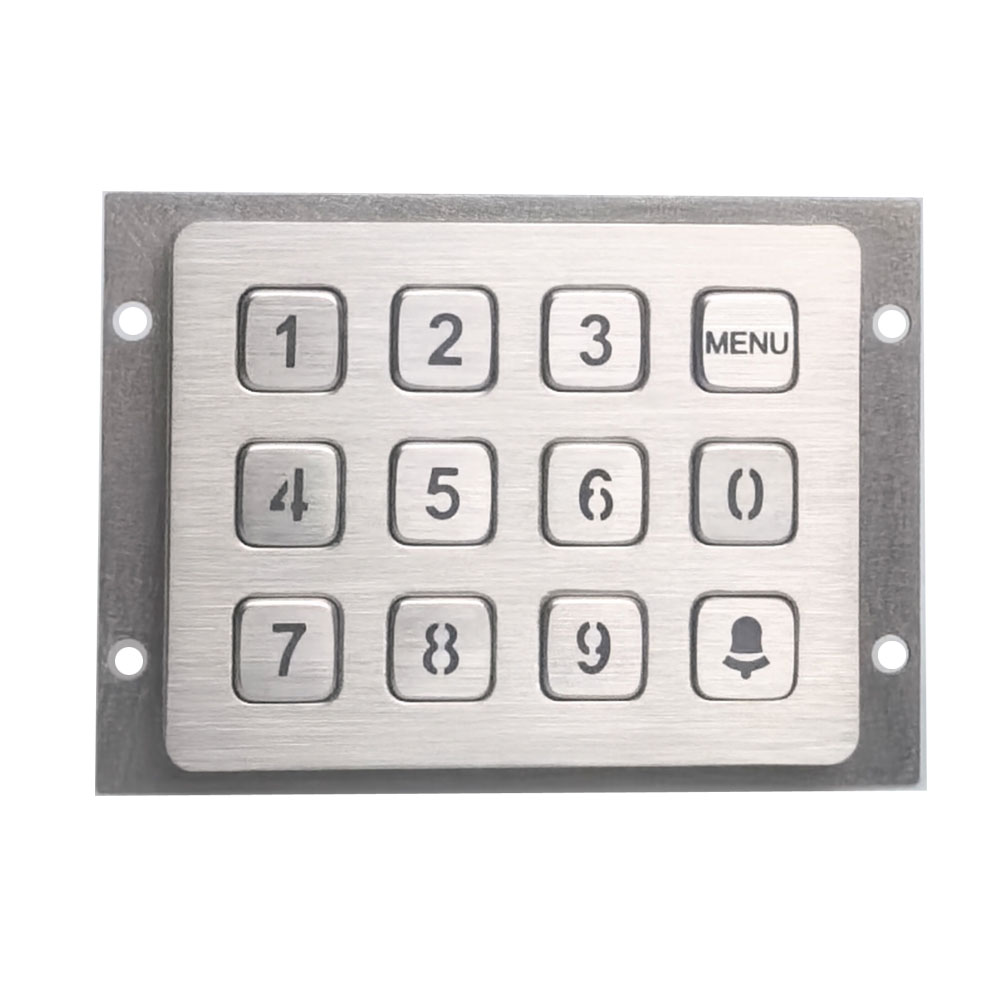
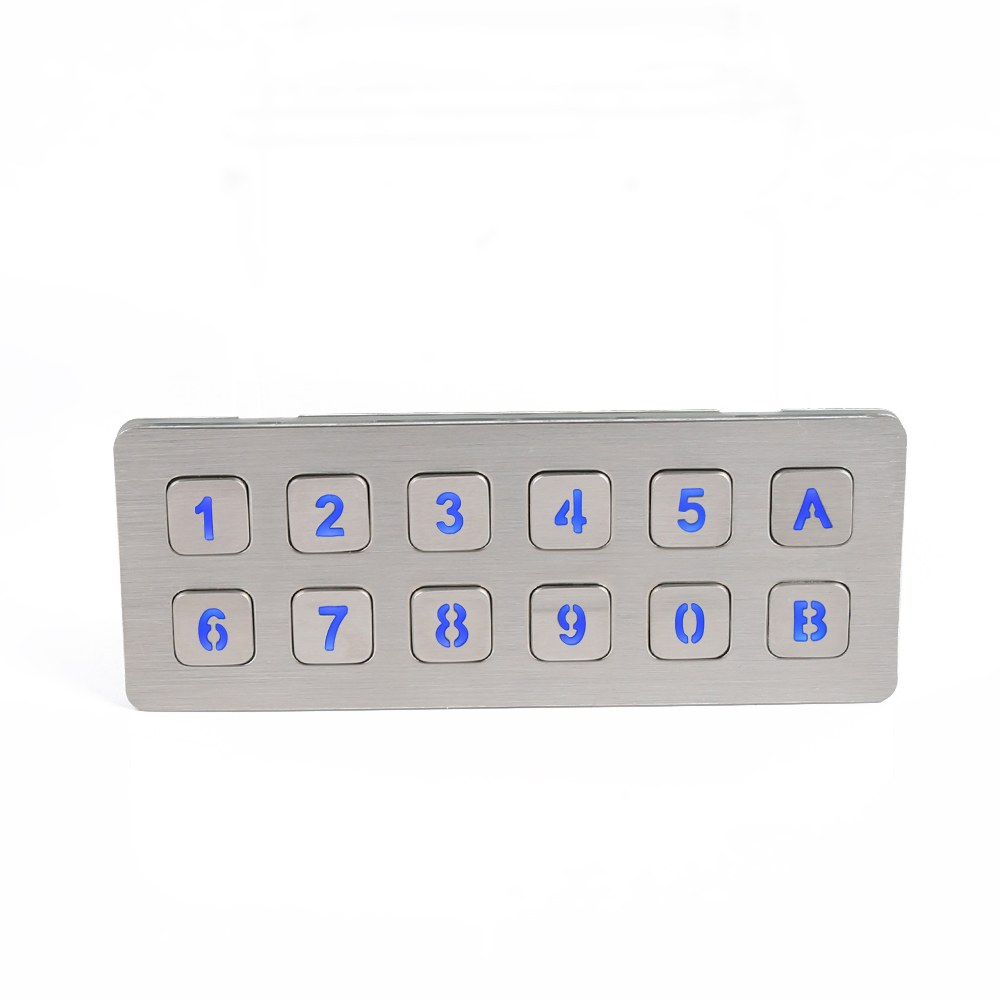
- Disposizione a 12 tasti: Spesso utilizzato per l'inserimento di dati numerici, ad esempio nelle calcolatrici o nei sistemi di gestione dei punti vendita. La sua forma compatta ne facilita l'inserimento in alloggiamenti di dimensioni ridotte, garantendo al contempo l'accessibilità dei tasti numerici e di funzione di base.
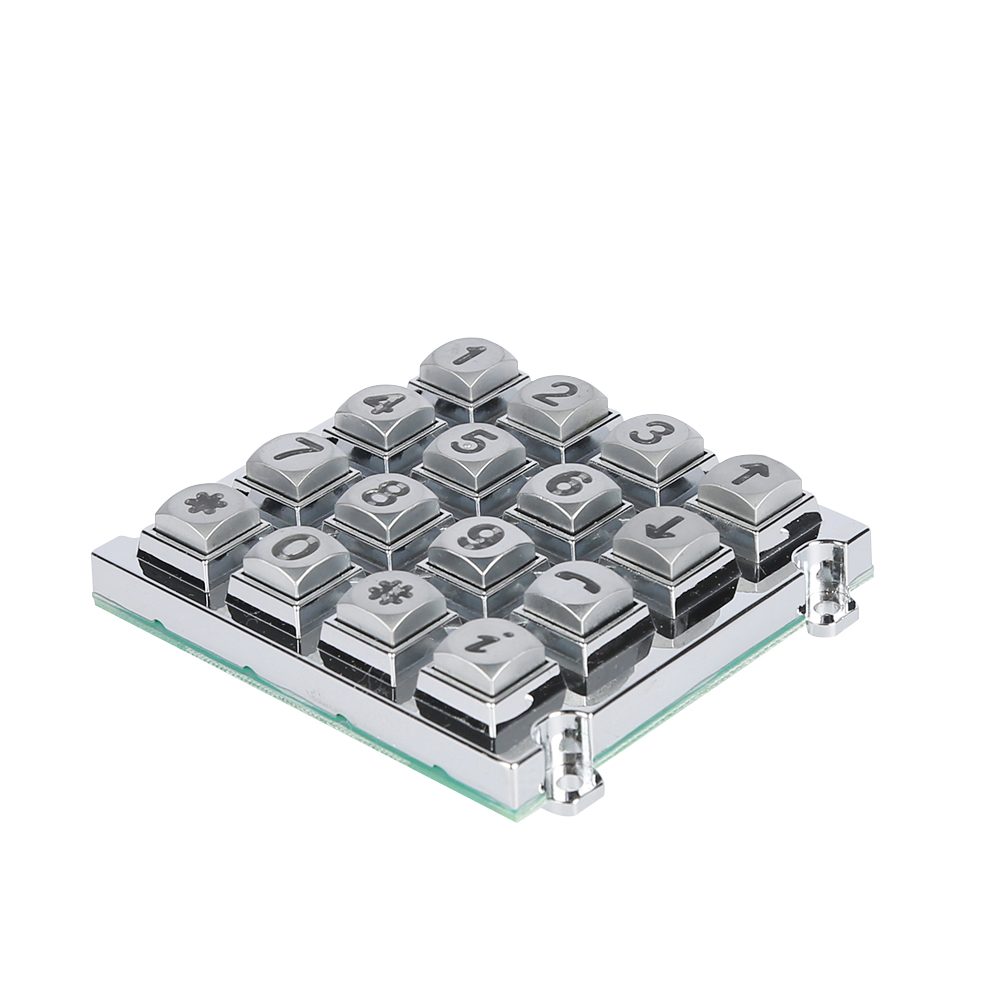
- Disposizione a 16 tasti: Utilizzati spesso nei sistemi di controllo degli accessi, consentono una gamma più ampia di comandi. I tasti aggiuntivi possono essere utilizzati come tasti funzione, di navigazione o per l'immissione di codici rapidi, senza dover ricorrere a sequenze di più tasti.
- Tastiera a matrice 4×4: Adatto a operazioni di immissione più complesse, come quelle presenti nei dispositivi programmabili. Le disposizioni a matrice offrono flessibilità per mappature personalizzate e possono supportare combinazioni, scorciatoie e set di input ampliati, pur rimanendo intuitive.
Queste configurazioni rispondono alle esigenze operative, fornendo il numero di tasti adeguato all’attività da svolgere. La scelta tra le diverse opzioni dipende dalla frequenza di utilizzo prevista, dalla complessità degli input e dallo spazio fisico disponibile sul dispositivo o sul pannello.
In che modo il numero di tasti influisce sull'usabilità delle tastiere metalliche rinforzate?
Il numero dei tasti determina il modo in cui gli utenti interagiscono con una tastiera. Il numero giusto riduce la curva di apprendimento e aumenta l’efficienza. Un numero troppo esiguo di tasti costringe a combinazioni complesse; un numero eccessivo aumenta il rischio di errori da parte dell’utente. Un buon feedback tattile conferma gli input e riduce gli errori in ambienti che richiedono precisione. Inoltre, scritte chiare, dimensioni uniformi dei tasti e raggruppamento delle funzioni correlate aiutano gli utenti a operare in modo affidabile anche indossando guanti o lavorando in condizioni di stress.
In che modo le applicazioni industriali determinano le dimensioni ottimali della tastiera?
Le dimensioni della tastiera vengono scelte in base alle esigenze degli utenti e agli standard di resistenza. I produttori tengono conto dell’ambiente in cui verrà utilizzata — stabilimento, all’aperto o altri luoghi difficili — e danno priorità alla funzionalità. Le opzioni di personalizzazione vengono utilizzate per soddisfare diversi requisiti operativi. I team di progettazione valutano in genere fattori quali lo spazio di montaggio, la postura dell’operatore, il numero previsto di interazioni giornaliere e la compatibilità con involucri o alloggiamenti al momento di stabilire le dimensioni della tastiera e il numero di tasti.
Quali sono le principali applicazioni dei tastierini metallici che richiedono un numero specifico di tasti?
Alcune applicazioni richiedono un numero specifico di tasti per funzionare correttamente. Tra gli esempi più significativi figurano:
- Sistemi di controllo degli accessi: Sono richiesti layout che possono variare nel numero di tasti, ma che spesso ne presentano 16 per garantire maggiori opzioni di sicurezza. I tasti aggiuntivi possono essere assegnati a funzioni di sistema quali codici di emergenza o comandi amministrativi.
- Chioschi: In genere si avvalgono di una disposizione a 12 tasti che consente interazioni semplici e veloci da parte dell'utente. I chioschi danno priorità alla velocità e alla chiarezza, privilegiando una curva di apprendimento minima per un pubblico eterogeneo.
- Distributori automatici: Generalmente progettati con un layout intuitivo, dispongono solitamente di circa 16 tasti per navigare tra le varie opzioni di prodotto. Una numerazione chiara e un raggruppamento ben strutturato contribuiscono a ridurre gli errori di selezione e a velocizzare le transazioni.
Riconoscere queste esigenze specifiche delle diverse applicazioni spiega perché il numero di tasti sia importante in ambito industriale. Adattare la tastiera alle attività degli utenti riduce i tempi di formazione e migliora l’affidabilità complessiva del sistema.
Richiedi un preventivo personalizzato per una tastiera metallica a Keypado
In che modo le condizioni ambientali influenzano le decisioni relative al numero di tasti delle tastiere metalliche?
Le condizioni difficili influenzano le scelte relative al numero di tasti. In presenza di temperature estreme o in ambienti corrosivi, i progettisti possono optare per un numero minore di tasti, ma più robusti, per migliorare la durata. Anche la visibilità e l’accessibilità sono fattori importanti: alcuni modelli prevedono la retroilluminazione per facilitare l’utilizzo in condizioni di scarsa illuminazione. Anche le considerazioni relative alla manutenzione, quali la facilità di pulizia e la resistenza all’ingresso di polvere o liquidi, possono orientare le decisioni verso layout più semplici e più facili da sigillare.
In che modo la personalizzazione della disposizione dei tasti delle tastiere metalliche può migliorarne la funzionalità?
I layout personalizzati migliorano la funzionalità mettendo a portata di mano le funzioni utilizzate più spesso, semplificando le attività e aumentando l'efficienza nei flussi di lavoro più impegnativi. Legende personalizzate, accenti di colore o tasti raggruppati per operazioni correlate possono ridurre gli errori e velocizzare le attività ripetitive. La personalizzazione supporta inoltre standard di settore specifici o schemi di controllo proprietari senza costringere gli operatori a memorizzare sequenze di tasti complesse.
Quali sono i vantaggi della personalizzazione del numero di chiavi per gli OEM industriali?
La personalizzazione del numero di tasti offre vantaggi agli OEM, quali esperienze utente su misura, un utilizzo ottimizzato dello spazio e una migliore integrazione con i sistemi esistenti. Questi vantaggi aiutano gli OEM a soddisfare le diverse esigenze dei clienti e a rimanere competitivi. Le tastiere personalizzate possono semplificare l'installazione, ridurre la necessità di dispositivi di controllo esterni e migliorare il valore percepito del prodotto finale.
In che modo il design ergonomico influisce sulla scelta del numero di chiavi?
I principi dell'ergonomia guidano la scelta del numero di tasti, dando priorità al comfort e riducendo gli errori di digitazione. La valutazione della portata dell'utente e della spaziatura tra i tasti aiuta i produttori a stabilire il numero e la disposizione ottimali dei tasti per ridurre l'affaticamento e aumentare la produttività. I progettisti tengono conto anche delle dimensioni della mano, della frequenza di utilizzo e dell'eventuale uso di guanti da parte degli operatori, poiché questi fattori influenzano le dimensioni ottimali dei tasti, la loro spaziatura e l'ingombro complessivo della tastiera.
Dove è possibile trovare tastiere metalliche resistenti con un numero variabile di tasti?
Per tastiere metalliche robuste disponibili in diverse configurazioni di tasti, Keypado propone modelli progettati all’insegna della resistenza, della funzionalità e della personalizzazione, in grado di soddisfare qualsiasi esigenza operativa. Per scoprire le opzioni disponibili, visita la pagina dedicata alle tastiere industriali oppure contatta il team di assistenza di Keypado. Il loro team è in grado di fornire consulenza sui compromessi tra numero di chiavi, tenuta, scelta dei materiali e montaggio, al fine di adattarsi a contesti specifici.
Quali sono le opzioni standard di ordinazione e di prezzo in base al numero di chiavi?
Gli ordini e i prezzi dipendono dal numero di tasti, dalla complessità del layout e dalla qualità dei materiali. Un numero maggiore di tasti o funzionalità avanzate comportano in genere un aumento dei costi e possono influire sui tempi di consegna; pertanto, gli acquirenti dovrebbero pianificare gli acquisti in modo da allinearli alle tempistiche del progetto. Anche gli sconti sul volume, le opzioni dei moduli standard e le scelte relative ai materiali o alle finiture influenzano il costo totale: discutere con il fornitore dell’uso previsto e dei volumi di produzione attesi aiuta a chiarire le aspettative in termini di prezzi e consegne.
Richiedi un preventivo personalizzato per una tastiera metallica a Keypado
In che modo Keypado supporta l'impostazione personalizzata del numero di tasti per i tastierini industriali?
Keypado offre layout personalizzati e un numero di tasti su misura per le applicazioni industriali. Il suo approccio incentrato sull’utente contribuisce a garantire che i tastierini soddisfino le specifiche esigenze dei clienti e si adattino ai contesti operativi, migliorando l’usabilità complessiva. Questo supporto può includere consulenza sulla disposizione ergonomica dei tasti, sulle opzioni di sigillatura, sulla progettazione delle diciture e sul collaudo dei prototipi per verificarne le prestazioni prima della produzione in serie.
Quante tasti dovrebbe avere una tastiera metallica | Domande frequenti
Quali fattori influenzano la scelta del numero di tasti nei tastierini metallici industriali?
Tra i fattori da considerare figurano le funzioni che la tastiera deve supportare, la complessità dell’inserimento dei dati e le esigenze ergonomiche. Anche le condizioni ambientali — come l’esposizione a condizioni climatiche avverse o la necessità di retroilluminazione — influiscono sul numero ideale di tasti. Il numero ottimale si determina trovando un equilibrio tra usabilità e resistenza, mentre i flussi di lavoro relativi all’inserimento dei dati dovrebbero guidare la scelta se privilegiare un numero ridotto di tasti robusti o un numero maggiore di tasti specializzati.
In che modo le organizzazioni possono valutare il numero di tasti necessario per le loro tastiere?
Valutare le esigenze mappando le attività degli utenti e i tipi di input. Condurre interviste o sondaggi tra gli utenti e testare prototipi con un numero variabile di tasti per individuare il design più intuitivo prima di effettuare ordini all’ingrosso. Le prove pratiche nell’ambiente operativo reale mettono in luce problemi che i test di laboratorio potrebbero non evidenziare, come le interferenze causate dai dispositivi di protezione individuale o dalle condizioni di illuminazione.
Esistono settori specifici in cui si preferiscono configurazioni particolari del numero di chiavi?
Sì. Il settore sanitario predilige spesso layout più semplici per garantire un accesso rapido, mentre quello manifatturiero può richiedere un numero maggiore di tasti per il controllo di macchinari complessi. Adattare il design alle funzioni specifiche di ciascun settore favorisce l’efficienza e la sicurezza; anche le normative o le prassi specifiche di ciascun settore possono influenzare le decisioni relative al layout.
Le condizioni ambientali possono influire sul materiale utilizzato per le tastiere con un determinato numero di tasti?
Sì. Gli ambienti difficili richiedono spesso materiali resistenti alla corrosione che garantiscano comunque il numero di tasti e le funzionalità desiderate, contribuendo a preservare l’integrità e l’usabilità dei tastierini anche in condizioni di stress. Anche la scelta di finiture e soluzioni di guarnizioni adeguate contribuisce a mantenere le prestazioni nel lungo periodo.
In che modo un numero insufficiente di tasti influisce sulle interazioni degli utenti con i tastierini metallici?
Un numero insufficiente di tasti costringe a ricorrere a soluzioni alternative o a combinazioni complesse, aumentando il rischio di errori e rallentando il lavoro degli operatori. La scelta di un numero adeguato di tasti semplifica i flussi di lavoro e riduce la frustrazione degli utenti. Layout più semplici riducono le esigenze di formazione e diminuiscono il rischio di inserimenti errati durante le operazioni critiche.
Quali sono i potenziali effetti di una progettazione ergonomica inadeguata sulla scelta del numero di tasti?
Un’ergonomia inadeguata aumenta il disagio e il tasso di errore. Una spaziatura errata tra i tasti può causare affaticamento durante l’uso prolungato e ridurre la produttività. L’applicazione dei principi ergonomici aiuta a bilanciare il numero e la disposizione dei tasti in termini di comfort e funzionalità, favorendo così un utilizzo più sicuro e sostenibile in ambienti ad alta intensità di lavoro.
In che modo la personalizzazione del numero di tasti offre vantaggi agli OEM di diversi settori?
Il numero personalizzato di tasti consente agli OEM di adattare i prodotti alle esigenze dei clienti, migliorando la soddisfazione e l'integrazione dei sistemi. Inoltre, le disposizioni personalizzate ottimizzano lo spazio e la funzionalità, favorendo migliori prestazioni del prodotto. Questa flessibilità può ridurre i tempi di immissione sul mercato dei dispositivi specializzati e migliorare l'esperienza complessiva dell'utente.
Conclusione
Scegliere il giusto numero di tasti per una tastiera metallica migliora l’interazione con l’utente e l’efficienza operativa. Adattando il design della tastiera a ciascun ambiente, le aziende ottengono soluzioni funzionali ed ergonomiche. Nel selezionare il numero di tasti e la disposizione, valutate i requisiti operativi, i vincoli ambientali e i fattori ergonomici, coinvolgendo gli utenti finali sin dalle prime fasi del processo di progettazione. Esplorate le disposizioni personalizzate di Keypado per soddisfare le vostre esigenze industriali e scoprite oggi stesso la loro gamma di tastiere metalliche resistenti.
 English
  Deutsch
  Français
  Polski
  Português do Brasil
  Español
  日本語
日本語  Русский
  العربية
  Italiano
  Nederlands
  Türkçe
  한국어
한국어