
Metal keypad prototype development timelines vary based on complexity, custom layout requirements, and interface specifications. Simpler designs move faster, while fully custom builds take longer. Direct factory engineering support and low-MOQ sampling from Keypado significantly shorten the path to mass production for OEM clients.
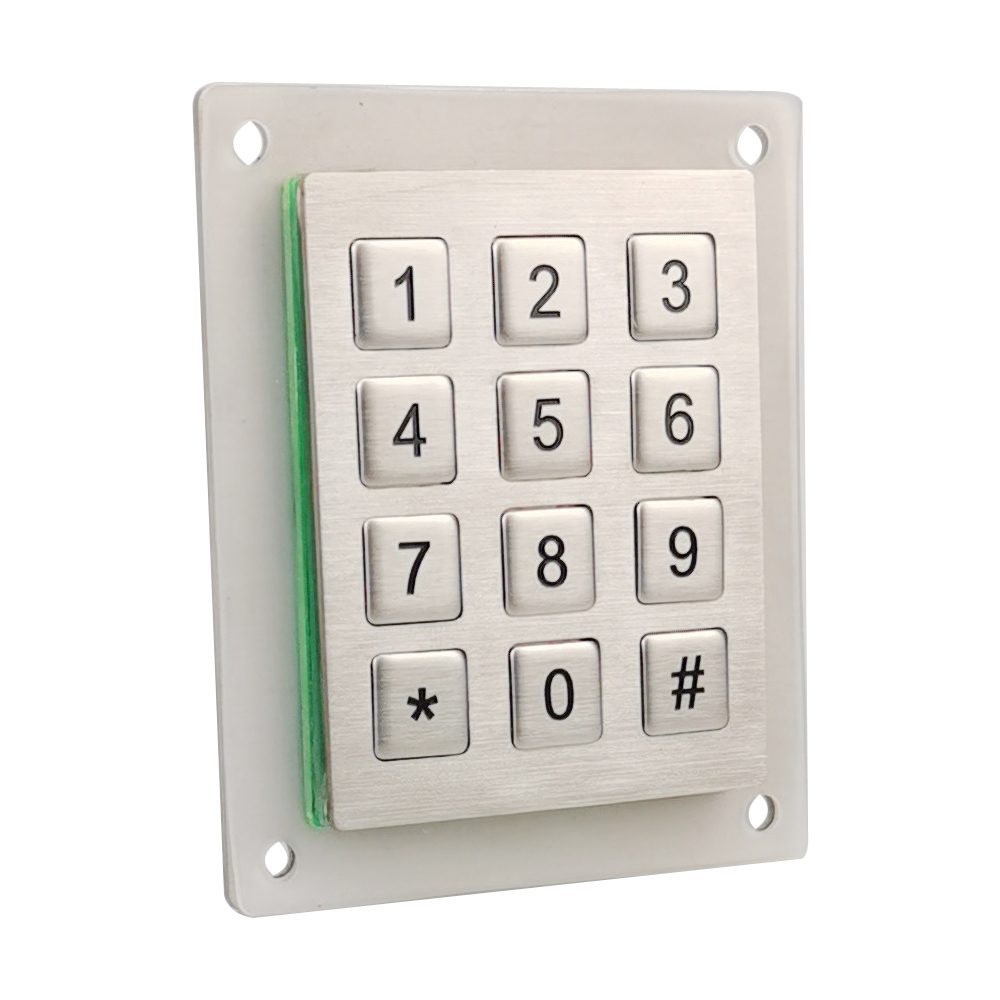
Poproś o indywidualną wycenę metalowej klawiatury od Keypado
Czego potrzebujesz przed rozpoczęciem?
A prototyp metalowej klawiatury requires three things before any design work begins: a defined layout, a confirmed interface specification, and realistic material expectations. Skipping any one of these stretches the timeline and risks a prototype that fails to represent the final product.
How to prototype a metal keypad starts with preparation, not fabrication. Keypado offers factory-direct engineering support, including free CAD review and customization, without intermediary markups. That support matters most when the design is still fluid.
What specifications should an OEM prepare first?
Define the key layout and function set. A 3×4 or 4×4 matrix works for most access control and locker applications. Custom layouts take longer to tool.
Confirm the electrical interface. USB, matrix, and PS/2 options each affect the PCB design and connector placement.
Specify environmental requirements. IP rating, vandal resistance, and operating temperature drive material and sealing choices.
Prepare a CAD file or dimensioned drawing. Free CAD review catches manufacturability issues before sampling begins.
How long does a metal keypad prototype take?
Metal keypad prototype development often takes a few weeks. The exact timeline depends on complexity, custom layout requirements, interface specifications, and material availability. Simpler designs move faster. Fully custom builds with engraving, backlighting, or unusual mounting patterns take longer.
Engineers who skip the prototyp metalowej klawiatury phase risk discovering layout or durability problems after tooling is committed. Keypado’s fast sampling, low minimum order quantities, and on-time delivery backed by ISO-certified quality control and batch testing reduce that risk. The company’s streamlined low-volume production model accelerates time to market without sacrificing consistency.
How do you freeze the specs?
Freezing specifications transforms a concept into a manufacturable metal keypad. The process locks down every functional and physical parameter before tooling begins. Skipping this step invites costly redesigns and production delays.
Engineers start by defining the electrical interface. Keypado supports USB, matrix, and PS/2 protocols, so the team selects the output that matches the host controller. Next comes the physical layout. Custom configurations cover everything from compact 3×4 numeric blocks to full alphanumeric arrays. The company’s engineering team reviews CAD files to confirm key spacing, travel, and actuation force align with the enclosure design.
Environmental requirements get documented next. Keypado’s rugged metal construction ensures long-term durability under harsh conditions. The spec sheet captures the target IP rating, operating temperature range, and chemical exposure risks. Vandal resistance matters for public-facing terminals. Stainless steel or zinc alloy housings handle impacts that destroy plastic alternatives.
What mounting options work for metal keypads?
Mounting style affects both assembly speed and field security. Keypado offers front-panel, rear-mount, and flush-mount configurations. Engineers specify stud patterns and cutout dimensions early. This prevents enclosure modifications after fabrication.
How are legends and backlighting specified?
Legends get engraved or laser-etched into the metal surface. The team chooses font size, icon placement, and fill color. Backlighting options include LED arrays or light guides. Specifying these details upfront avoids readability issues in low-light installations.
Aesthetic and functional details round out the document. Keypado serves OEMs across industries where equipment must withstand heavy use and environmental extremes, including access control systems, fuel dispensers, and self-service kiosks. Finding the best metal keypad layout for the application ensures the interface matches user expectations. The frozen spec becomes the single source of truth for prototyping and production.
How do you build the first prototype?
Building a first metal keypad prototype starts with a clear CAD model and direct factory collaboration. How to prototype a metal keypad efficiently depends on securing engineering support that reviews the design for manufacturability before any tooling begins. Without that early review, design flaws slip through and force expensive rework later in the development cycle.
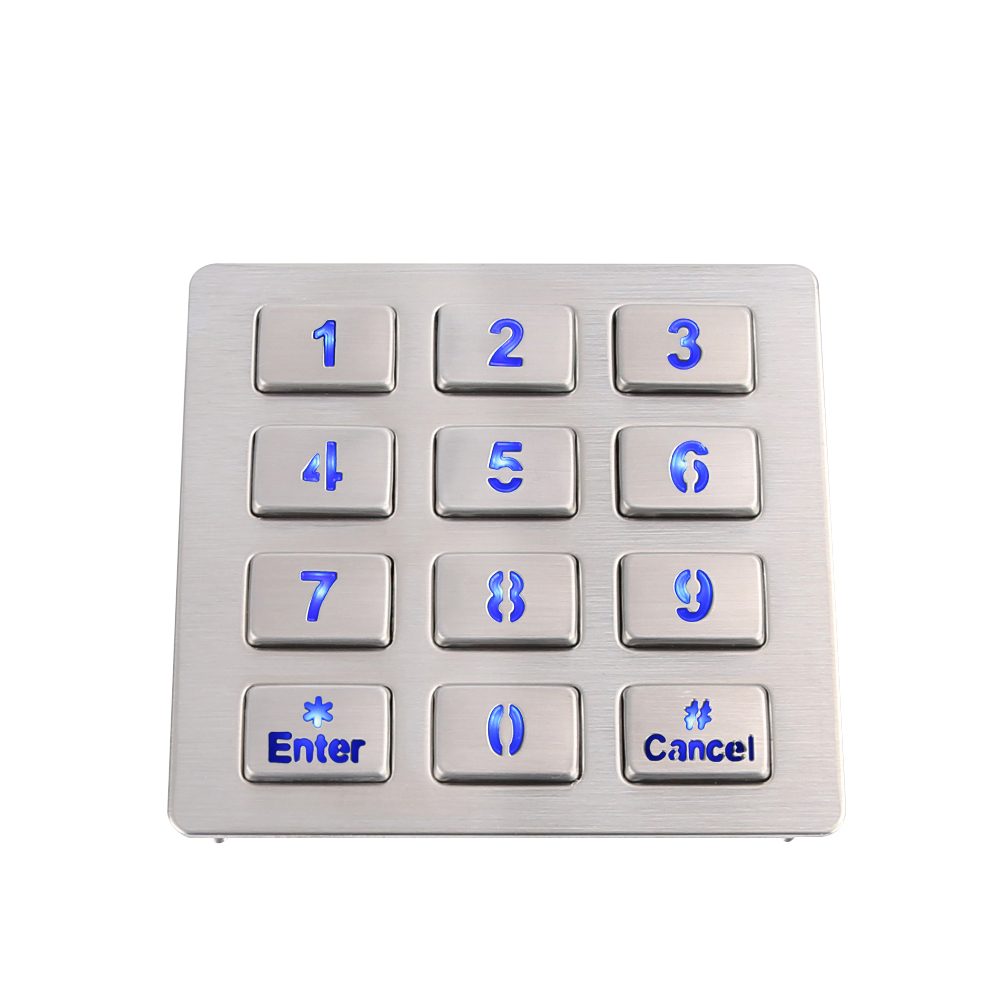
Poproś o indywidualną wycenę metalowej klawiatury od Keypado
What information does a factory need to start prototyping?
A manufacturer requires the CAD file, the target interface type, and the environmental specifications. Keypado, located in Yuyao, Zhejiang, China, provides free CAD review as part of its engineering-led customization. This step catches tolerance issues and material mismatches that compromise field reliability.
Timelines shift based on layout complexity and material availability. Simpler numeric pads move faster. Fully custom builds with backlighting or specialized engraving take longer. The company supports pilot runs with low minimum order quantities and quick sampling, which compresses the path from concept to physical part.
The prototyping process follows a structured sequence:
Submit the CAD model and interface requirements for engineering review.
Approve the design for manufacturability assessment and material selection.
Receive a small-batch prototype produced with fast sampling and short lead times.
Test the prototype for fit, tactile response, and environmental sealing.
Refine the design based on test data before committing to full production.
Every prototype batch undergoes ISO-certified quality control and batch testing. This discipline ensures that the sample unit matches the performance of future production runs. On-time delivery of prototypes lets engineering teams stay on schedule and validate their designs without delay.
How do you test for IP65 and IK10?
Testing for IP65 and IK10 ratings validates two separate durability properties: ingress protection against dust and water, and impact resistance against mechanical force. Keypado’s vandal-resistant, IP-rated input devices undergo both test sequences before shipment to OEM clients.
What does an IP65 test involve?
The IP65 rating combines two protection levels. The first digit, 6, confirms complete dust-tight sealing. The second digit, 5, verifies resistance to low-pressure water jets from any direction. Testing follows IEC 60529 standards, which define the exact nozzle specifications, water flow rates, and exposure durations. A metal keypad passes IP65 only when no dust penetrates the enclosure. No water reaches internal components after the full test cycle.
What does an IK10 test involve?
IK10 represents the highest impact rating in the IEC 62262 standard. The test delivers a 20-joule impact to the keypad surface, equivalent to a 5 kg mass dropped from 400 mm. Technicians strike the device at multiple points, including key edges and mounting corners. The rugged metal construction ensures long-term durability under harsh conditions, so the keypad must remain fully functional after each impact.
How does Keypado verify test results?
The company emphasizes reliability and performance consistency through a structured verification process:
Batch inspection reports document test outcomes for every production run.
ISO9001 certification governs the quality management system behind each test procedure.
Functional re-testing confirms all keys, interfaces, and backlighting still operate after environmental exposure.
Engineers reviewing IP testing for metal keypads gain deeper insight into how IEC 60529 ratings translate to real-world dust and liquid exposure. The combination of documented batch results and certified processes builds trust for long-term OEM deployments.
How do you move to production without respins?
Moving from prototype to production without costly respins demands a design that is assembly-ready from the start. Keypado’s streamlined, low-volume production model accelerates time to market and maintains consistent quality. Engineers who skip this step often face delays that erode project budgets and launch schedules.

Poproś o indywidualną wycenę metalowej klawiatury od Keypado
What makes a keypad design assembly-ready?
A keypad does not operate in isolation. It must integrate mechanically, electrically, and aesthetically into the final enclosure. This review catches tolerance stack-ups and mounting conflicts before tooling begins. The result is a design file that matches real-world assembly conditions.
How does factory-direct support prevent production errors?
Direct engineering collaboration eliminates the communication gaps that cause most respins. Follow these steps to lock in a production-ready design:
Submit the initial CAD model and interface specifications for review.
Receive detailed feedback on material selection, backlighting placement, and connector routing.
Approve a pre-production sample built on the same line as the final run.
Validate the sample in the target enclosure under actual operating conditions.
Release the validated design for batch manufacturing with full inspection reports.
This process removes guesswork. Keypado’s products are trusted by over 200 clients in more than 30 countries. That track record reflects a repeatable system, not one-off luck. For teams evaluating budgets, the industrial metal keypad cost varies by configuration and volume. Low minimum order quantities let engineers test production-intent parts without overcommitting inventory. Batch inspection data then confirms every unit matches the approved sample.
Najczęściej zadawane pytania
What do I need to prepare before starting a metal keypad prototype?
A defined layout, a confirmed interface specification, and realistic material expectations. Keypado offers free CAD review and customization to catch manufacturability issues before sampling begins.
How long does a metal keypad prototype take?
Timelines vary from a few weeks, depending on complexity, custom layout, interface specs, and material availability. Simpler designs move faster, while fully custom builds with engraving or backlighting take longer.
What specifications should an OEM define first?
Define the key layout and function set, confirm the electrical interface (USB, matrix, or PS/2), specify environmental requirements like IP rating and vandal resistance, and prepare a CAD file or dimensioned drawing.
Wnioski
So, when you’re ready to move from concept to a rugged, field-ready part, the path is clear: start with a solid CAD file, lean on the free engineering review, and validate a production-intent sample before you commit to a full run. That structured approach, backed by documented batch testing, turns a prototype into a dependable foundation for your equipment. Your next step is to submit your design for that initial review and see how quickly it comes back ready for real-world punishment.
 English
 Deutsch
 Français
 Polski
 Português do Brasil
 Español
 日本語
 Русский
 العربية
 Italiano
 Nederlands
 Türkçe
 한국어