
Custom Backlit Keypads for Clear, Reliable Operation in Any Light
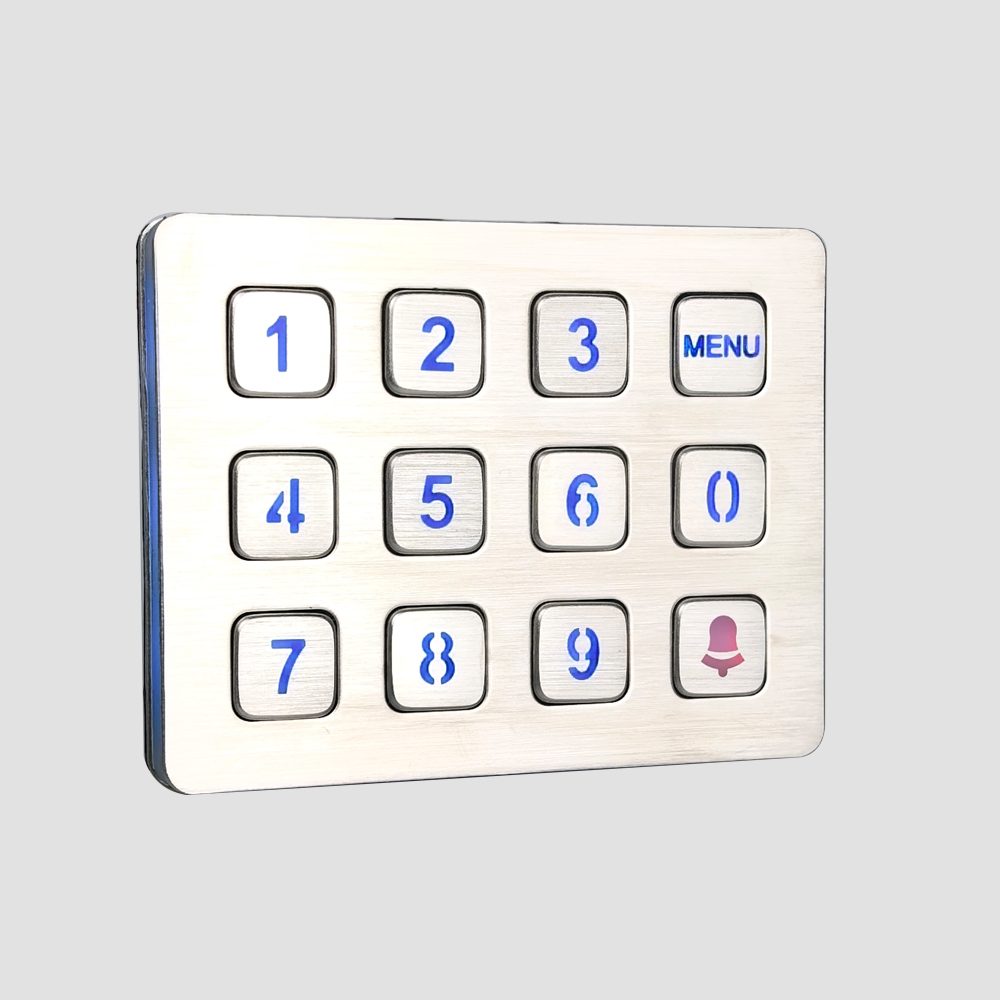
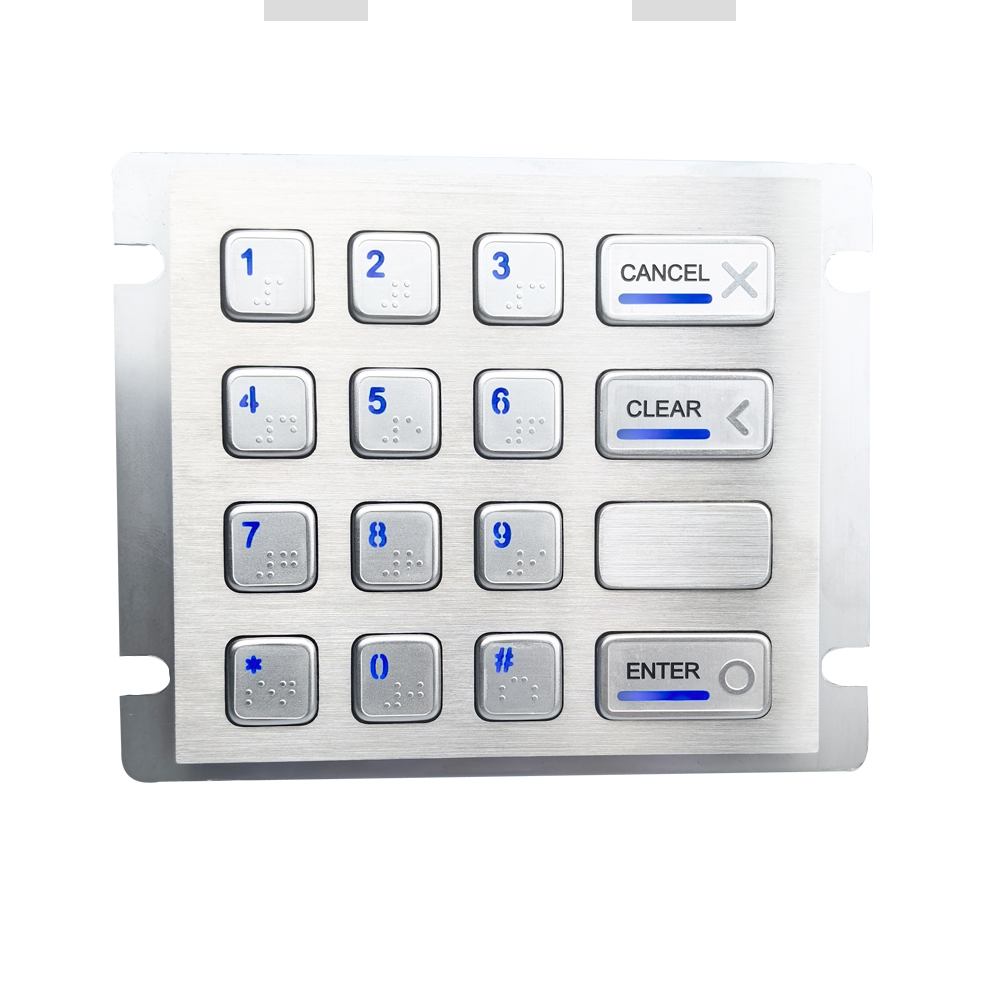
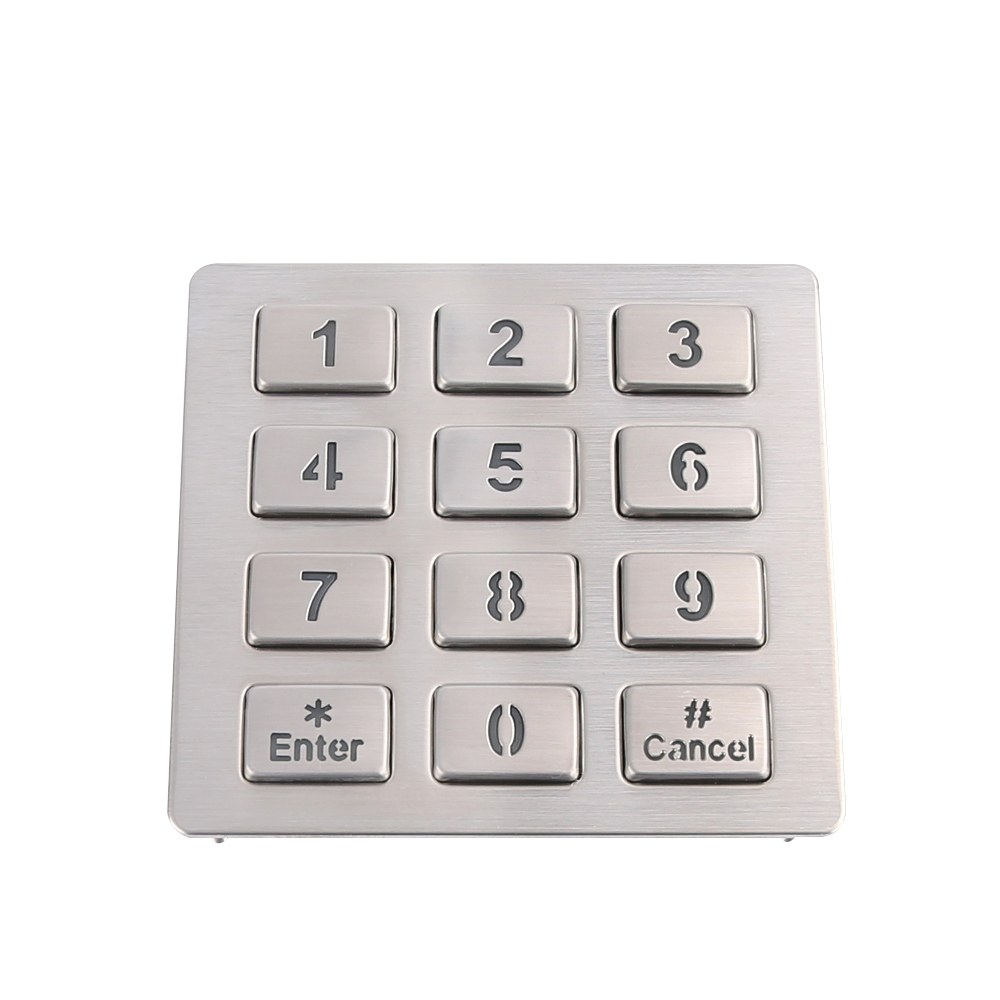
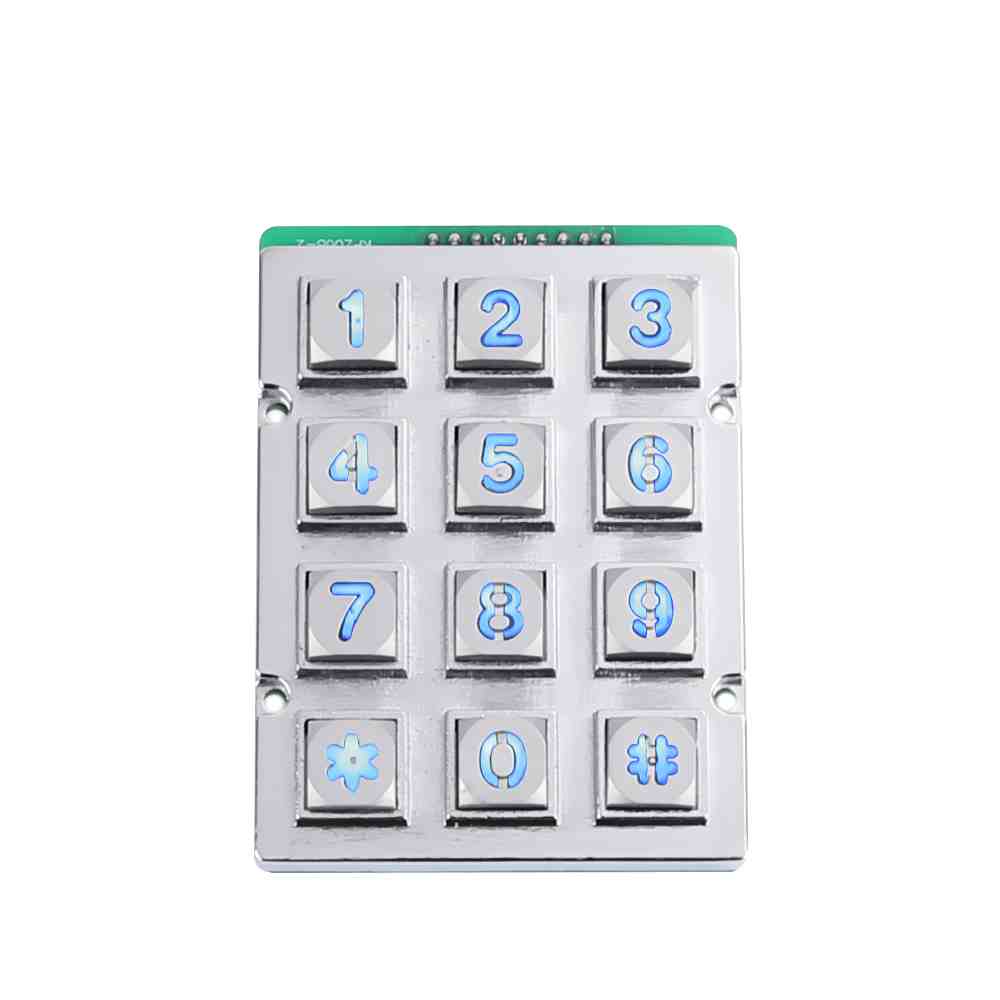
Keypado custom backlit keypads are designed for applications where visibility, durability, and user confidence matter most. With integrated LED illumination, rugged construction, and flexible customization options, these keypads improve usability in low-light, indoor, and outdoor environments. They are well suited for access control, self-service systems, kiosks, industrial equipment, and other interfaces that need a premium look and dependable performance.
Get Custom Quote
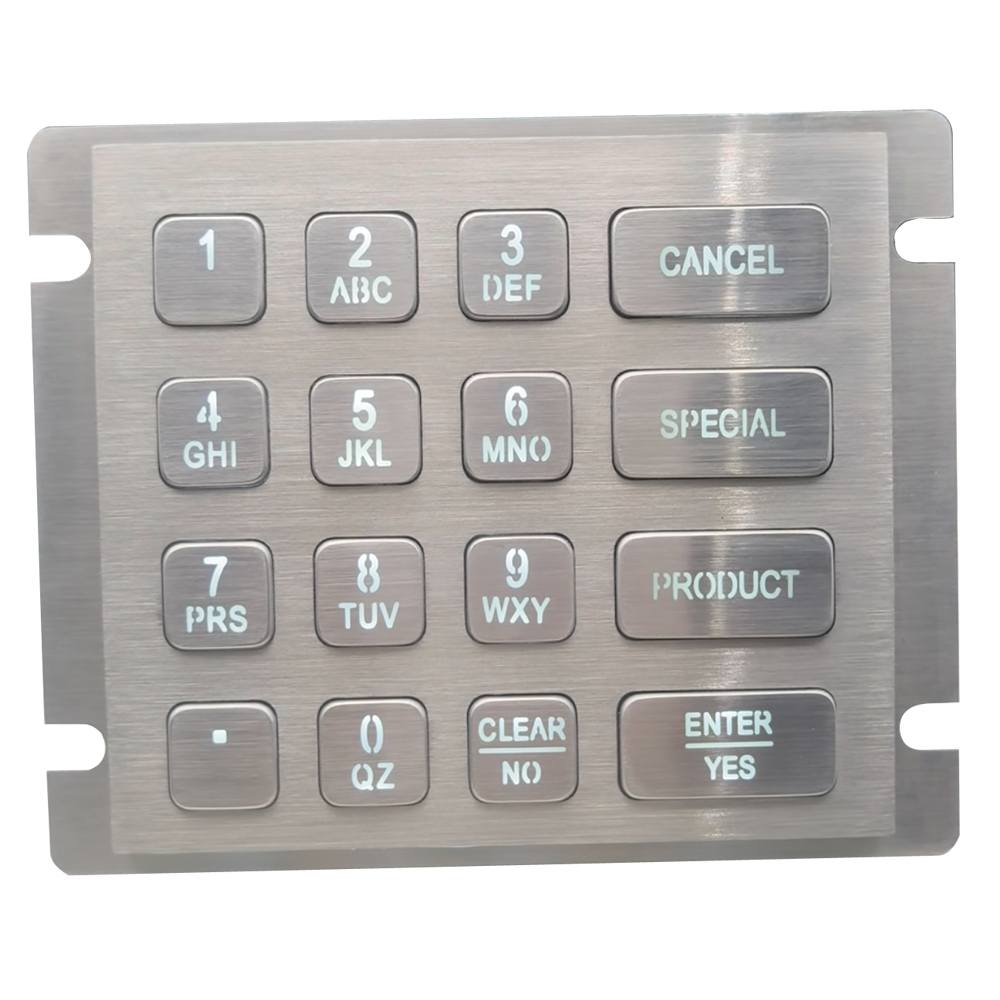
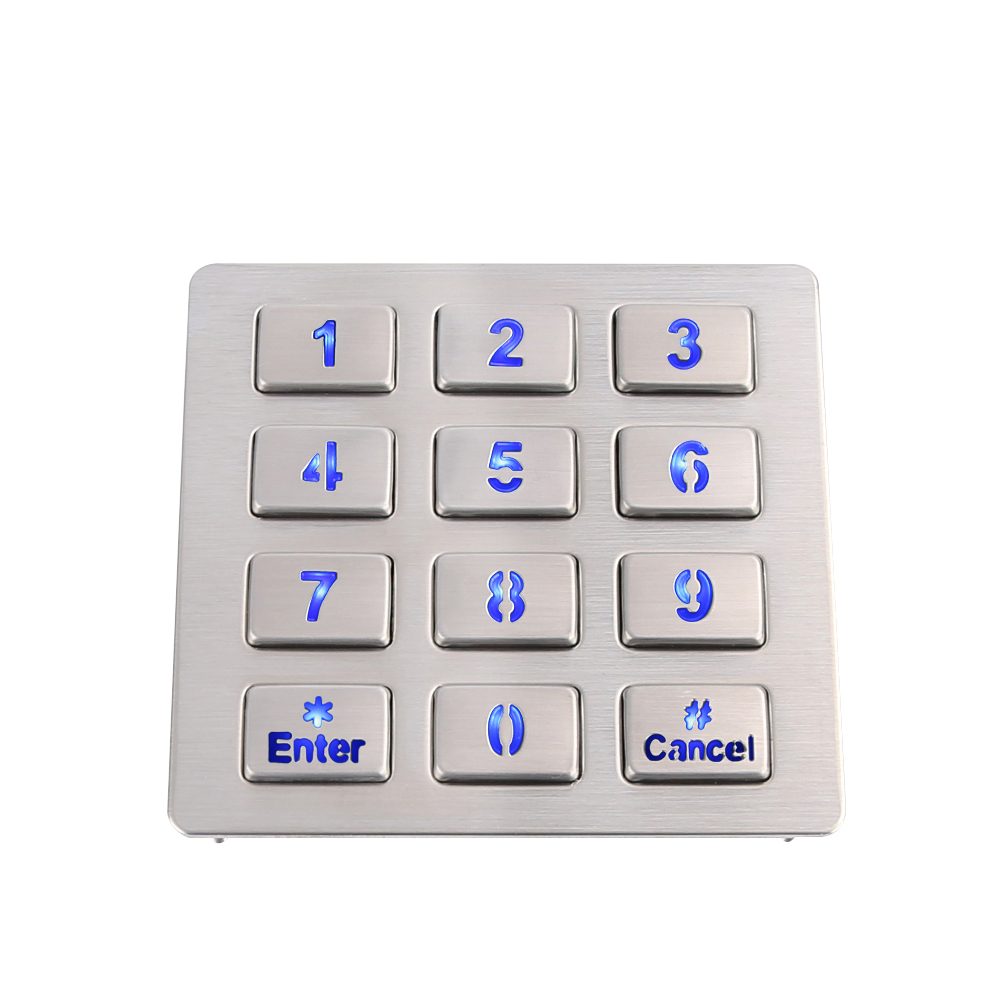
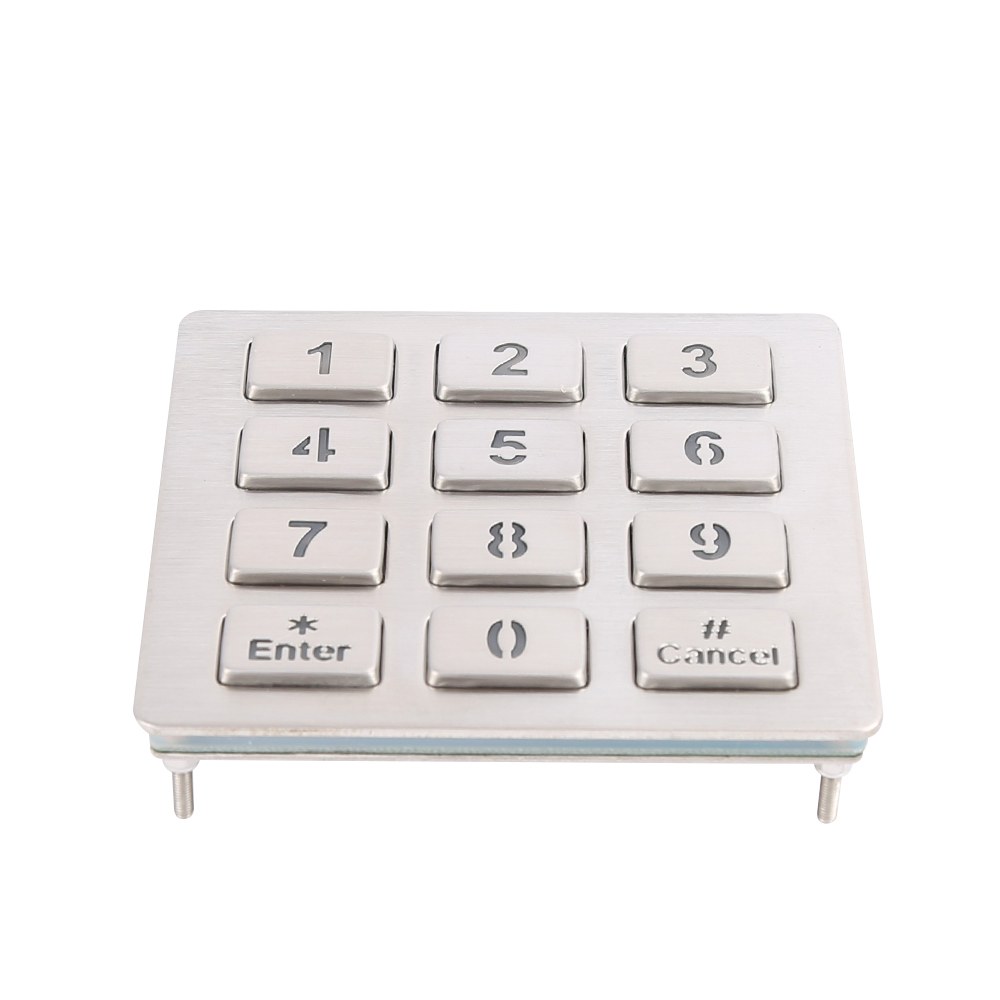
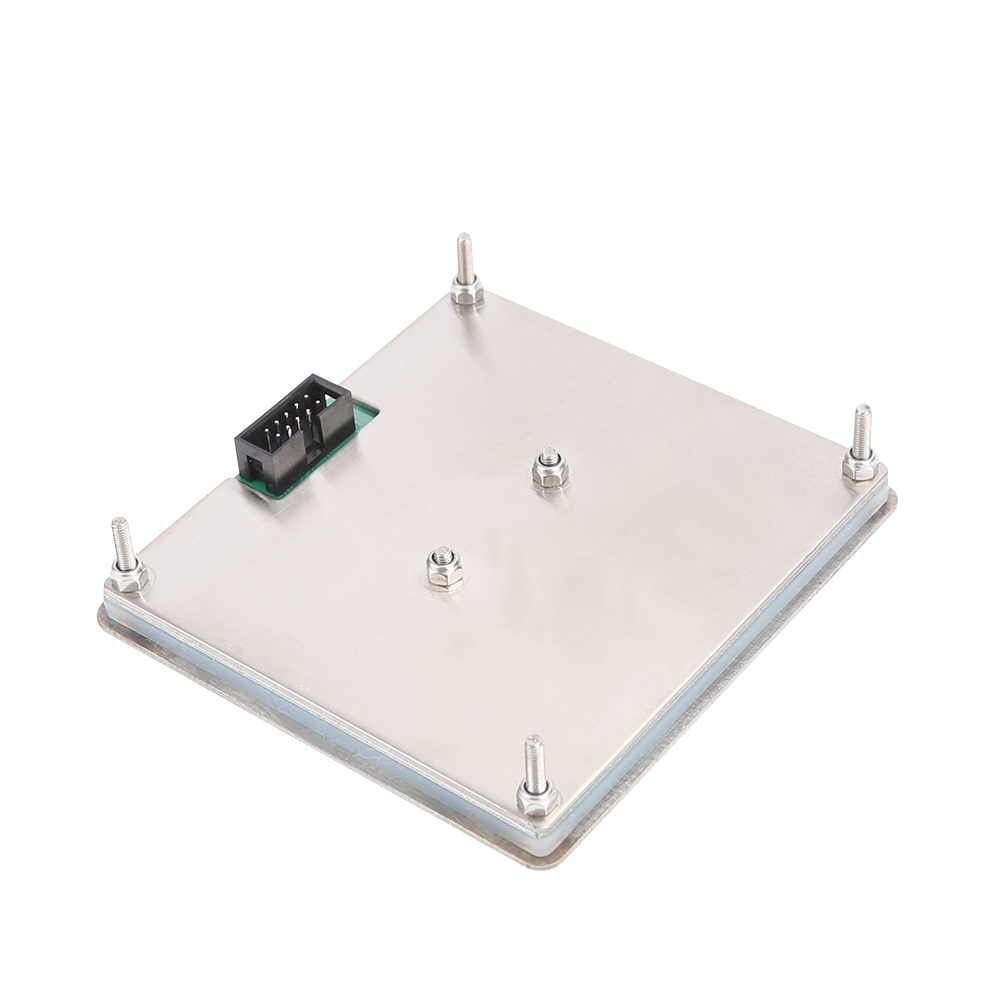
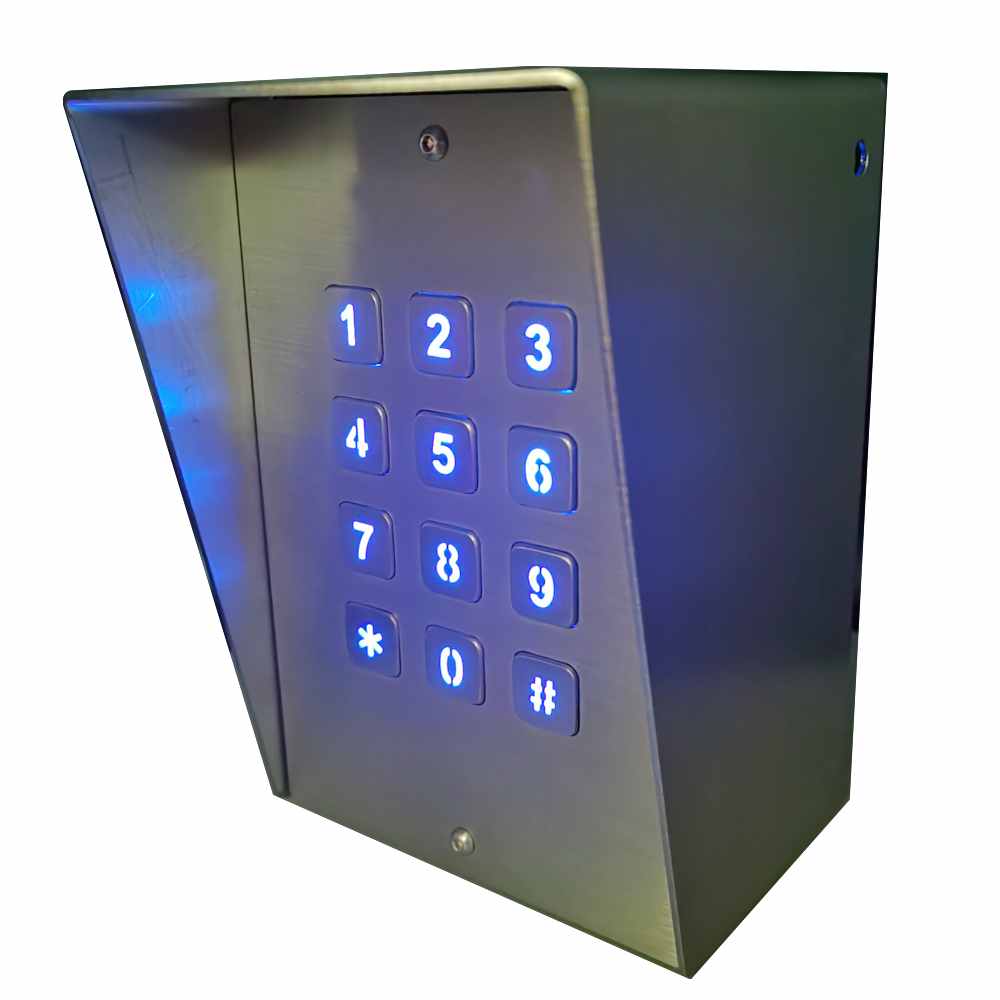
Clear key visibility
Backlighting makes the keypad easy to use in dark, dim, or changing light conditions, reducing input errors and improving the user experience.
Rugged construction
Built for repeated use, the keypad supports demanding environments where mechanical strength and long service life are essential.
Custom illumination options
LED color, brightness, and lighting behavior can be tailored to match your brand, device function, and operating scenario.
Flexible layout design
Key size, key count, legends, and panel dimensions can be adapted to your enclosure and interface logic.
Professional product appearance
Backlit keys add a modern, premium visual effect that helps your equipment stand out in the market.
Reliable performance in real use.
The design focuses on stable actuation, consistent lighting, and dependable operation across repeated cycles.
Lighting and Layout Configured for Your Application
Every Keypado backlit keypad can be tailored to the user experience, mechanical constraints, and branding goals of your product.
Backlighting Configuration
Key Layout & Legend Design
Material & Surface Finish
Mounting & Dimensional Fit
Electrical & Interface Options
Backlighting Configuration
- Choose LED color options to match your interface design and visibility needs.
- Adjust brightness and illumination effect for different operating environments.
- Support better usability in night operation, low ambient light, or indoor-outdoor transition spaces.
Key Layout & Legend Design
- Customize numeric, function, or hybrid layouts based on your device workflow.
- Adjust key spacing, size, and arrangement for ergonomic operation.
- Add custom legends, symbols, or multilingual markings for broader market compatibility.
Material & Surface Finish
- Select metal, coated, or mixed-material structures according to durability goals.
- Apply surface finishes that support branding, corrosion resistance, and visual consistency.
- Improve tactile feel and aesthetic quality for customer-facing equipment.
Mounting & Dimensional Fit
- Match keypad dimensions to your front panel, enclosure depth, and installation method.
- Customize mounting holes, rear structure, and connector position as needed.
- Reduce integration issues and simplify assembly in the final product.
Electrical & Interface Options
- Configure matrix output, wiring format, or other interface requirements.
- Align response characteristics with your control board and system logic.
- Ensure the keypad integrates cleanly into the device architecture.
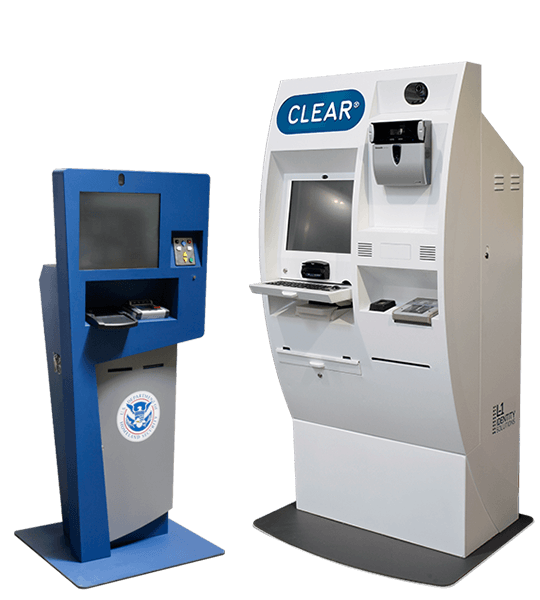
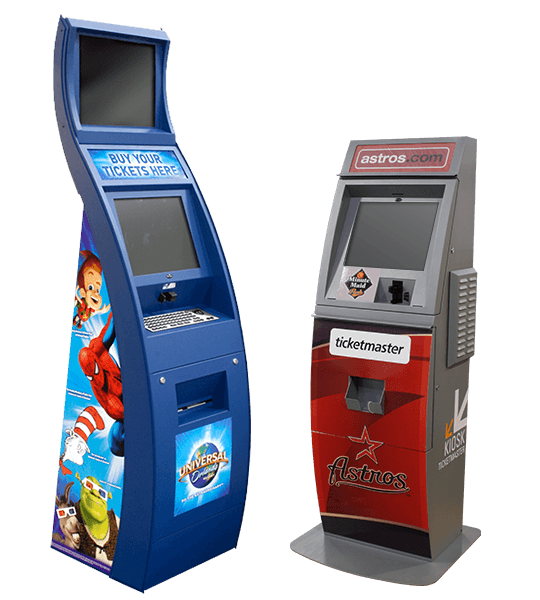
Keypado Applications
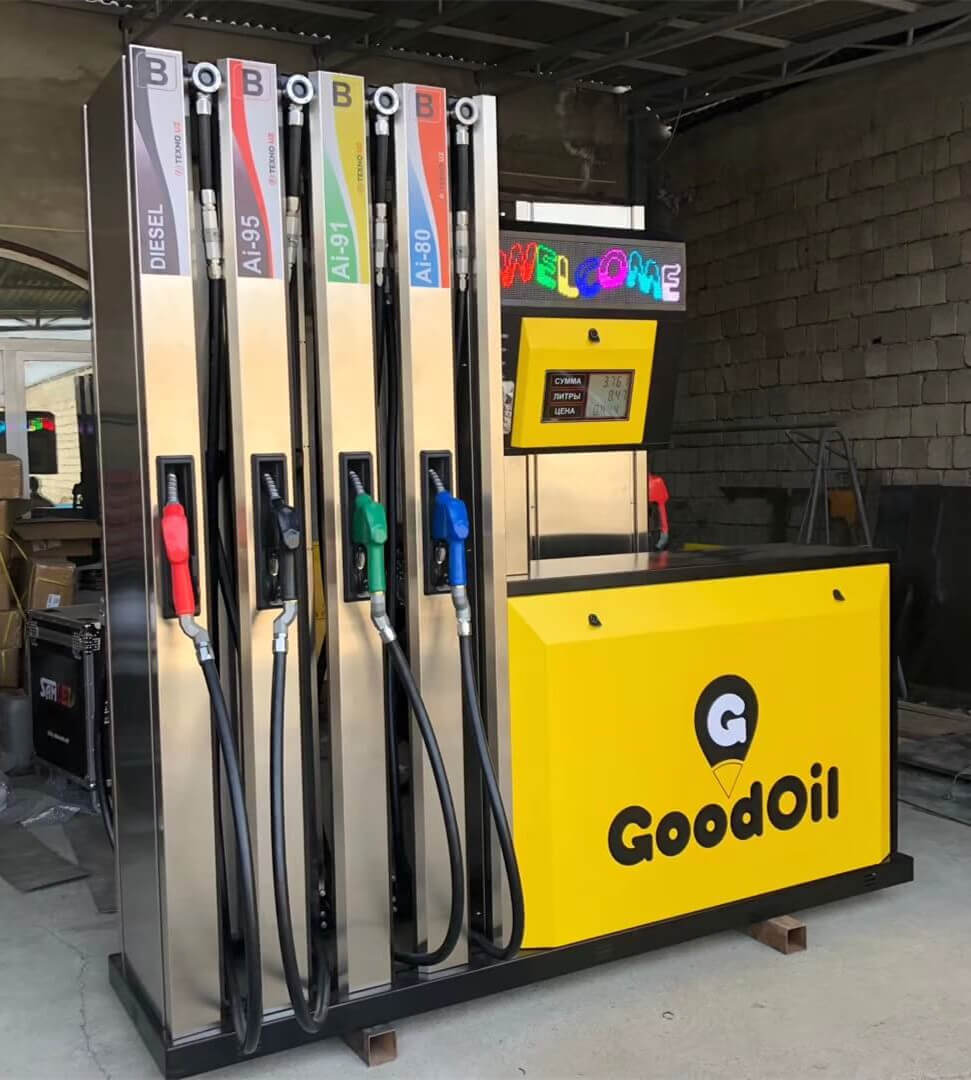
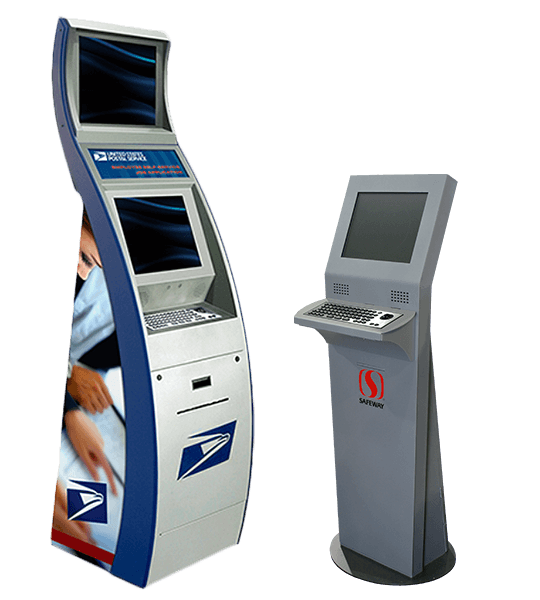
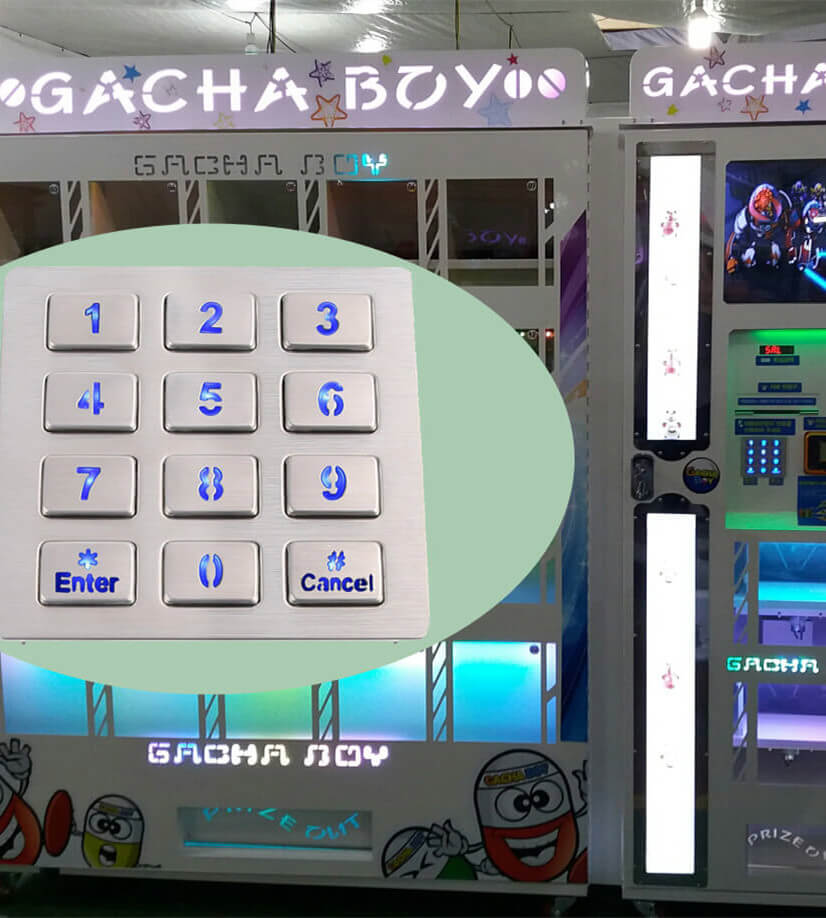
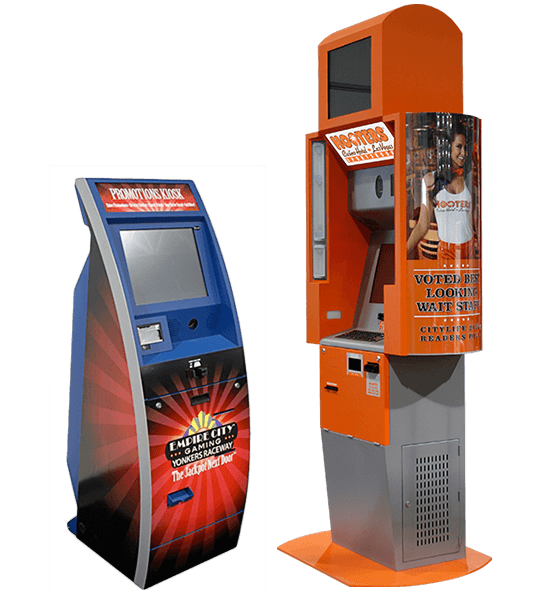
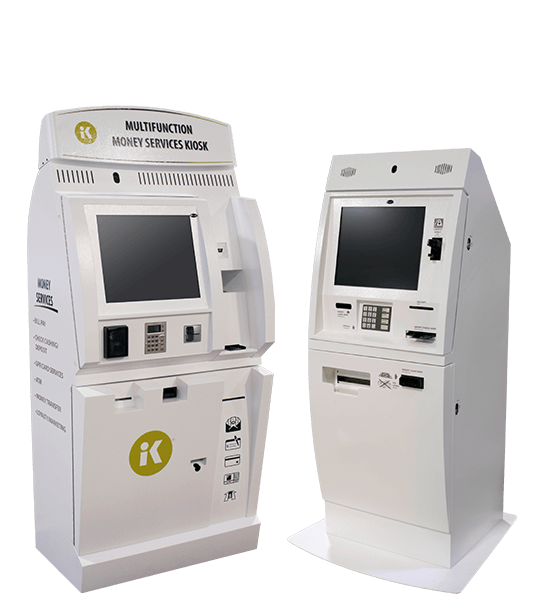
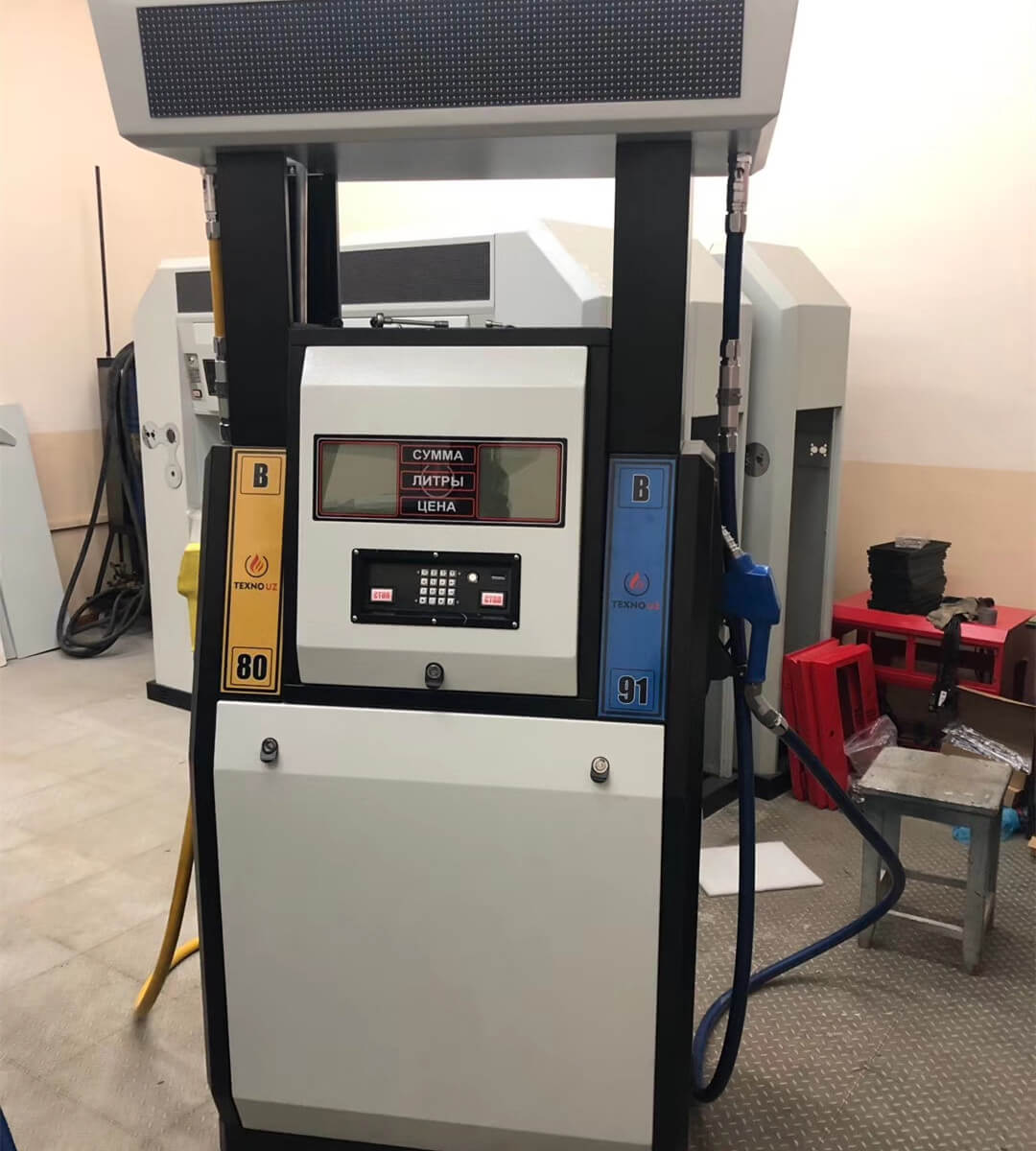

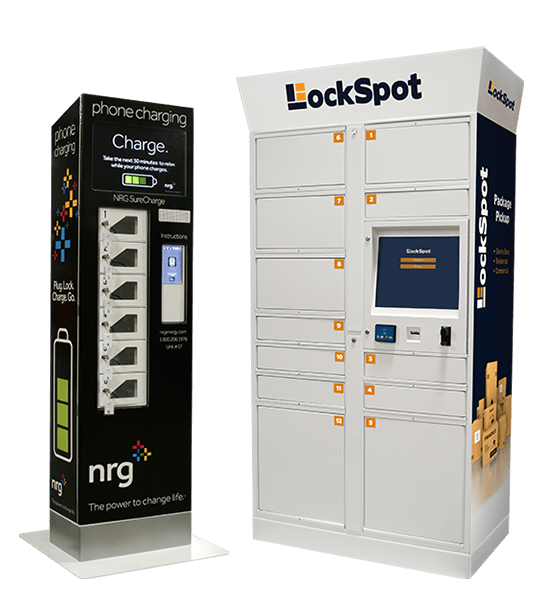
Why Keypado is Your Go-to Choice
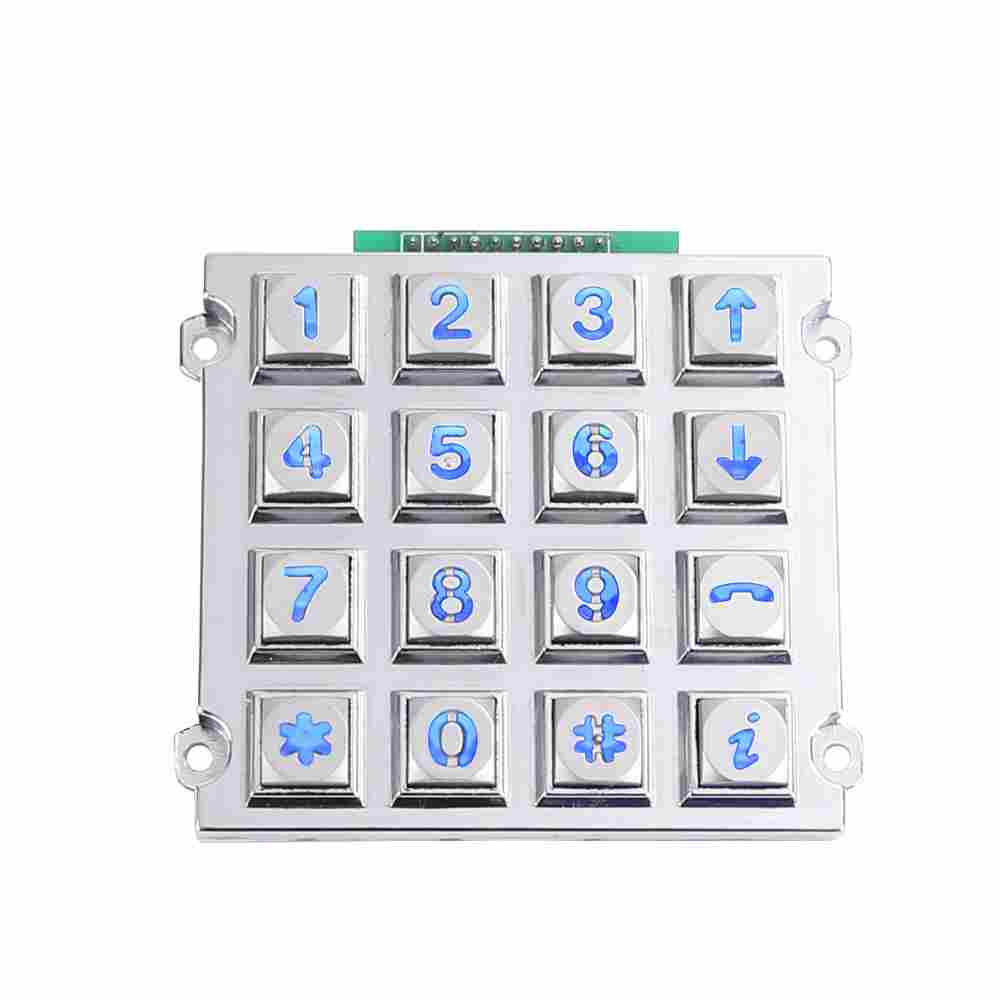
Backlit Visibility That Improves Usability
Custom backlit keypads are ideal for systems that must remain easy to operate after dark or in environments with limited lighting. The illuminated key area helps users identify the correct input quickly, reducing mistakes and improving confidence. For commercial equipment and access systems, visible keys can also make the interface feel more professional and intuitive. Depending on the design, illumination can be arranged for uniform glow, localized key lighting, or distinctive branding effects.
Engineered for Frequent Human Interaction
A keypad is one of the most frequently touched parts of a device, so mechanical stability matters. Keypado backlit keypads are built with a focus on reliable actuation, steady response, and long-term durability. The structure can be configured to support different key counts, travel feel, and panel thicknesses, helping the keypad perform consistently over repeated use. This is especially valuable in public terminals, industrial controls, and security-related equipment where failure is costly.
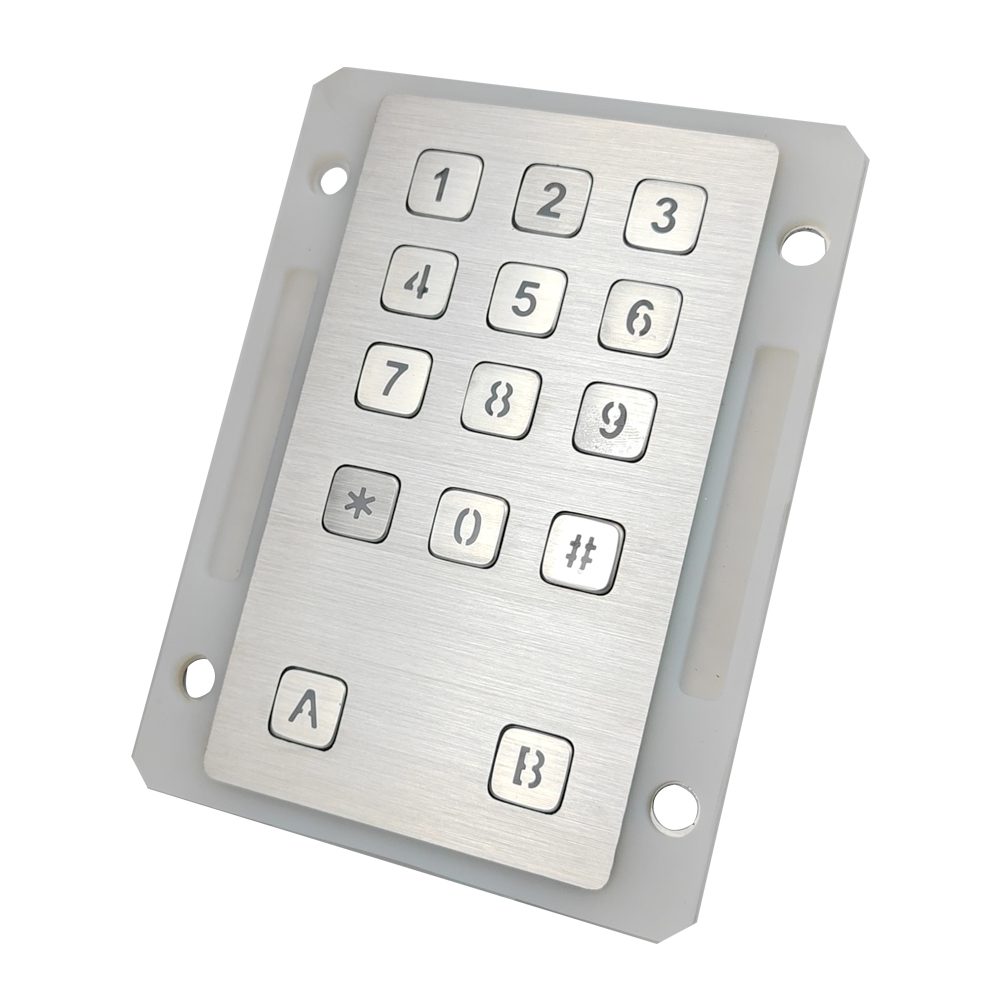
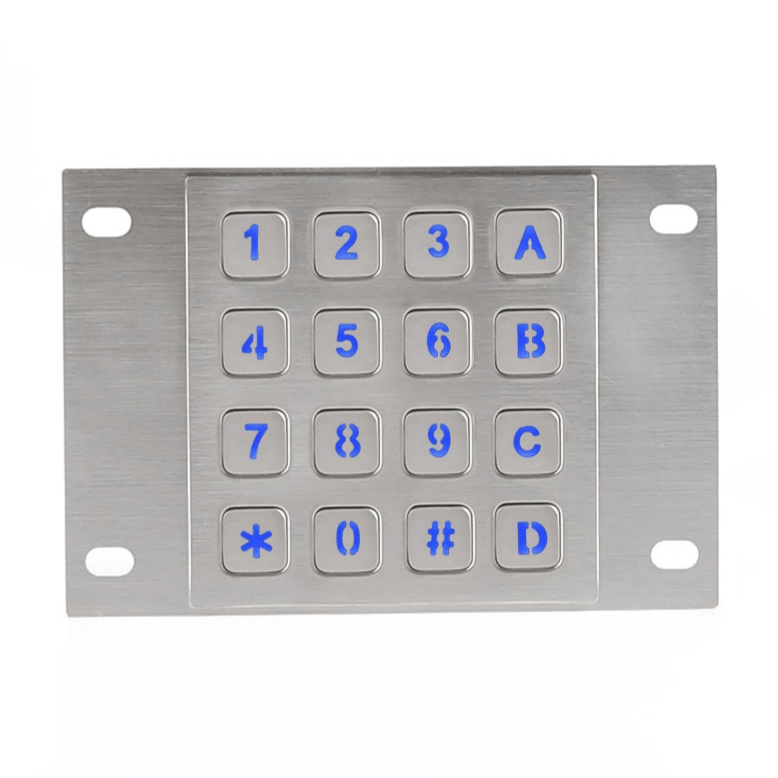
Material and Process Matter
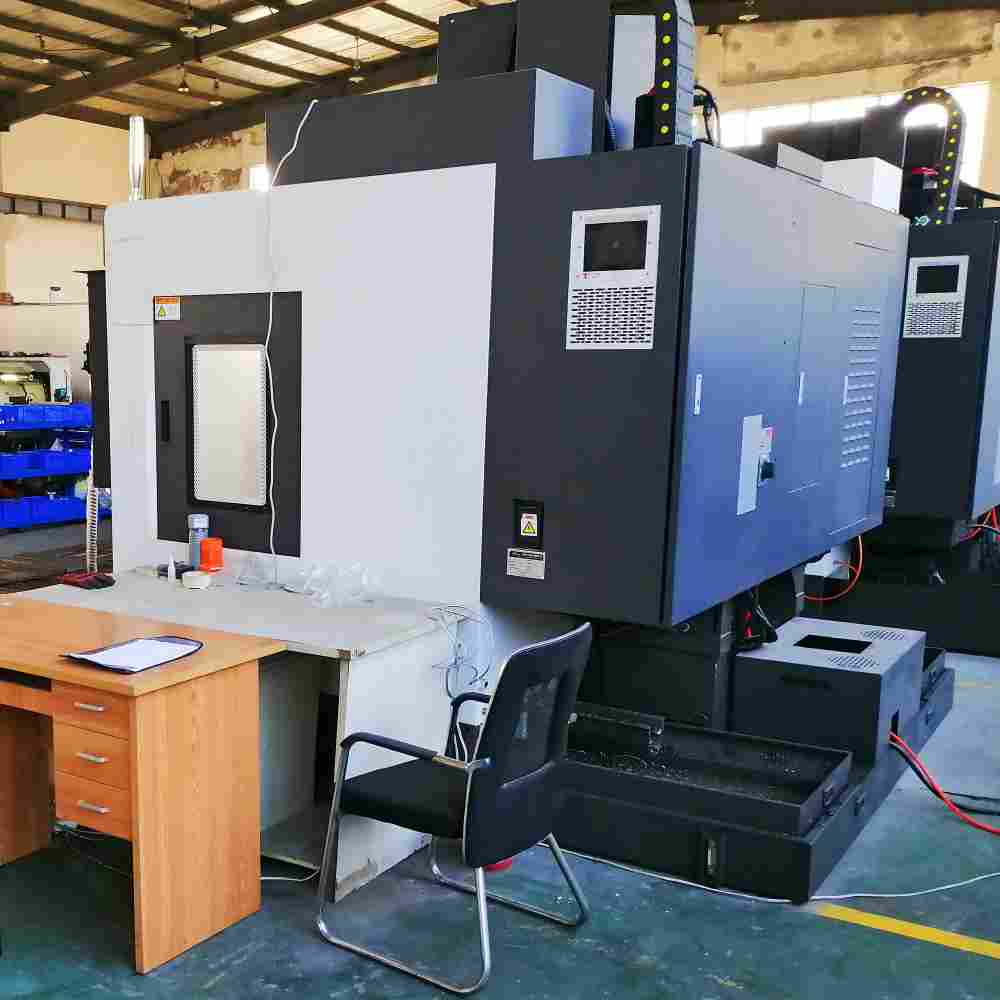
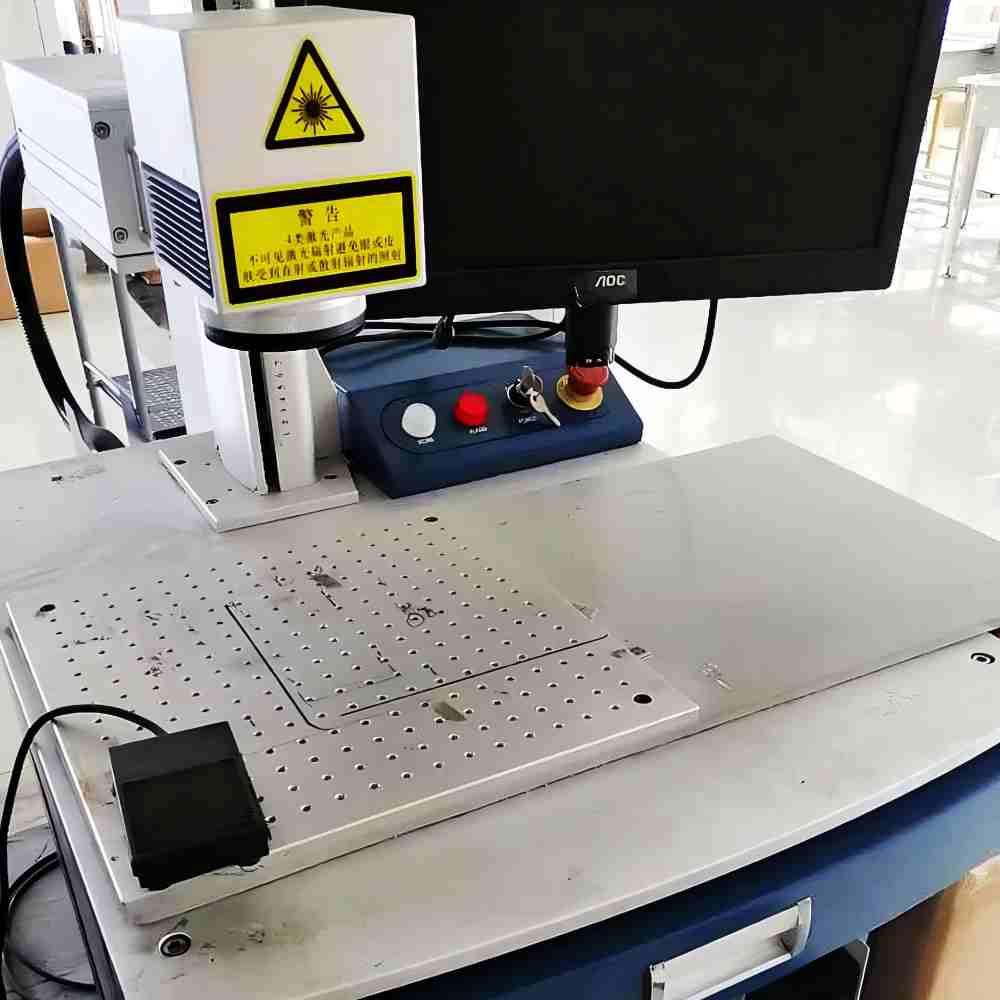
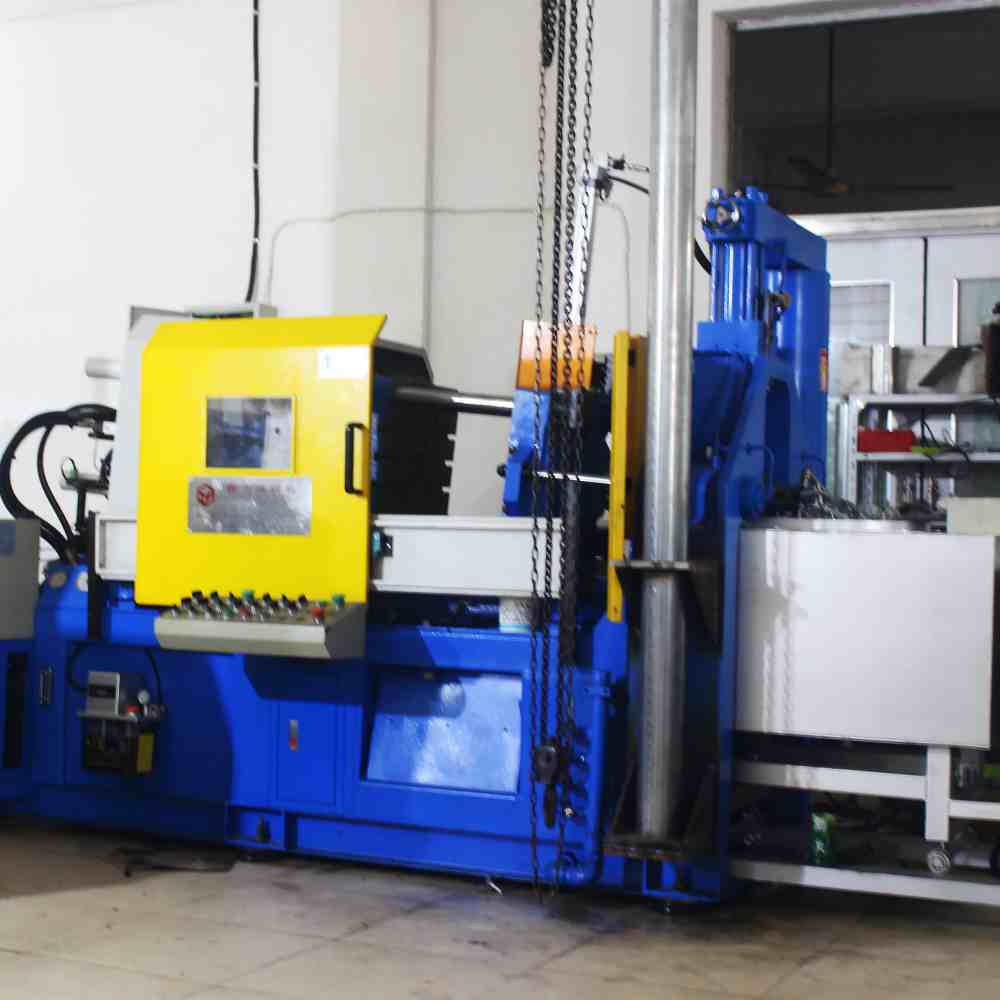
Depending on the product architecture, backlit keypads can use robust metal components, precision-formed key structures, and light-transmitting elements designed for uniform illumination. Surface finishing, engraving, and light diffusion are selected to balance legibility, wear resistance, and appearance. The production flow typically includes design verification, tooling, sample confirmation, and controlled assembly to keep the illuminated result consistent. That process helps ensure the keypad looks refined while also meeting practical electrical and mechanical requirements.
Built for Modern Equipment Design
Today’s equipment often needs more than a simple input surface; it must also support brand image and product differentiation. Custom backlit keypads bring both functional value and visual impact, helping your machine stand out at the point of use. They are well suited for kiosks, vending, security devices, ticketing systems, and industrial interfaces where lighting, clarity, and aesthetics all contribute to the user experience. With the right customization, the keypad becomes a true part of the product design rather than an afterthought.
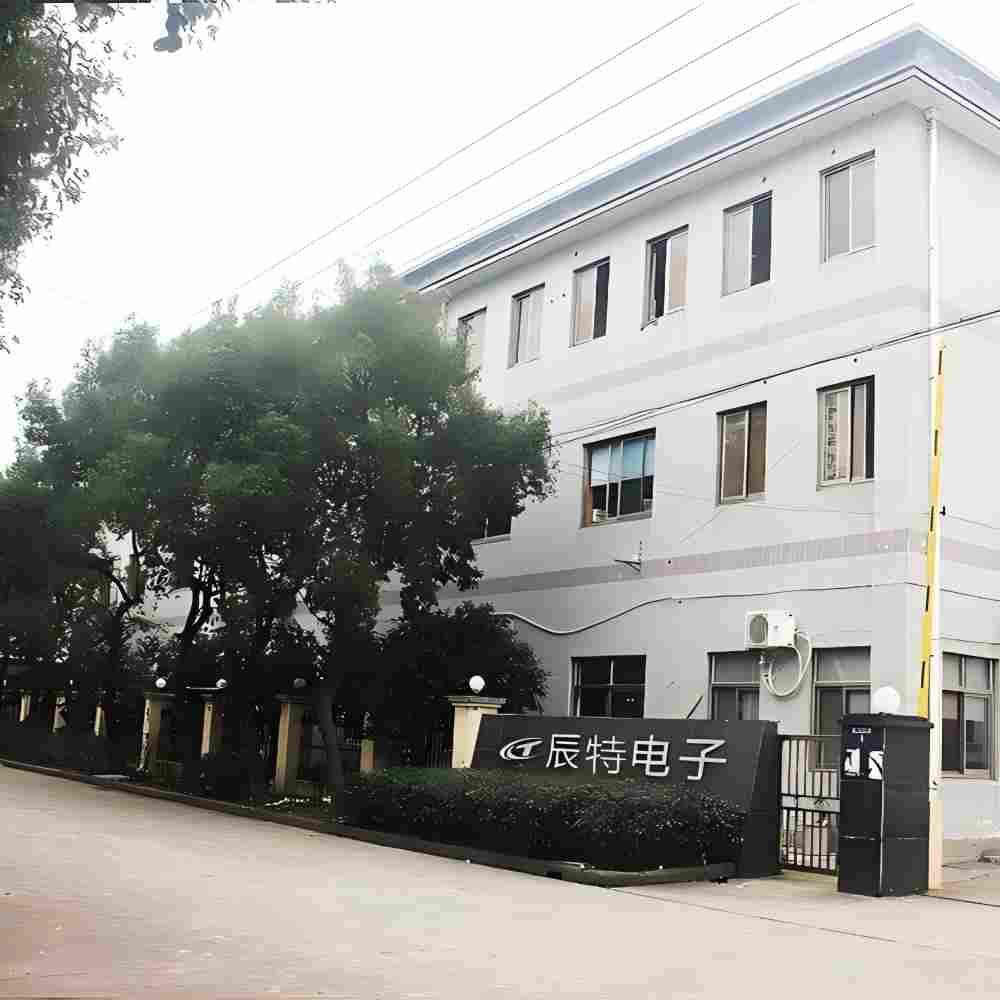
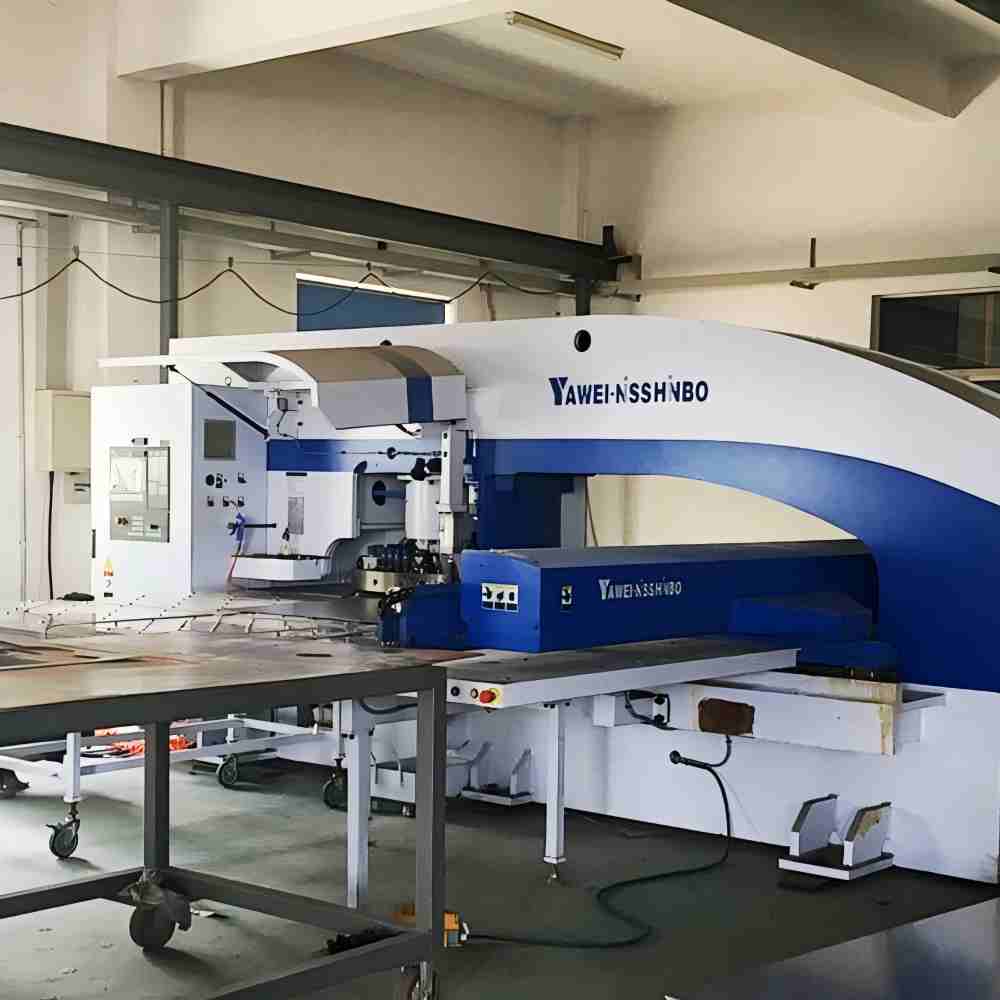
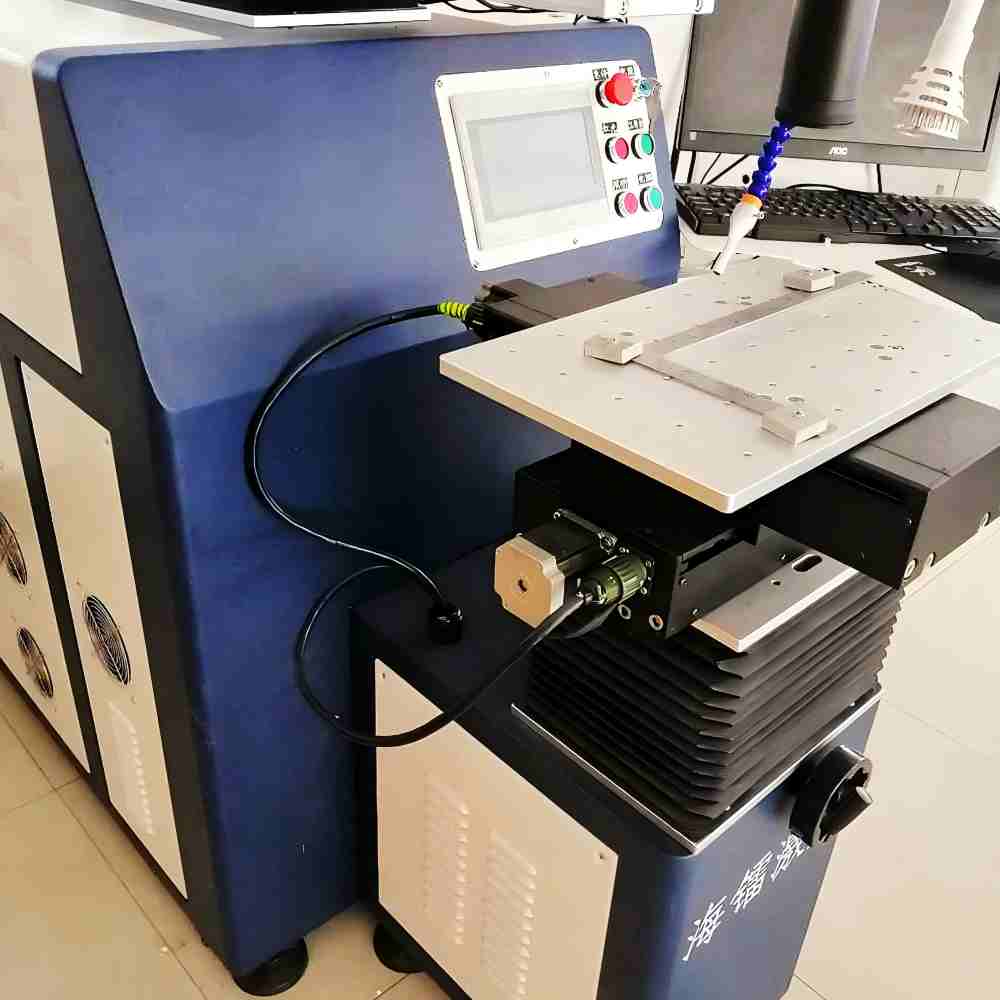
A Controlled Process for Consistent Lighted Keypad Production
From specification to final output, our production process is built to support repeatability, visual consistency, and reliable integration.
1. Requirement Definition
We begin by collecting the application details, target environment, keypad size, key layout, and lighting expectations. This step helps determine whether the design should emphasize visibility, ruggedness, brand presentation, or all three. We also review installation constraints and electrical requirements so the keypad can integrate cleanly into your product. A clear brief at this stage reduces redesign risk and speeds up the development cycle.
2. Structural and Optical Design
Next, we define the mechanical structure and the backlighting method that best fits the application. This includes key geometry, light transmission strategy, surface treatment, and brightness balance. The goal is to create a keypad that looks good in daylight and remains highly legible in the dark. At the same time, we ensure the design supports reliable actuation and stable assembly.
3. Sampling and Validation
Prototype samples are produced to check appearance, light uniformity, tactile feel, and dimensional fit. This is the stage where legend clarity, brightness levels, and mounting accuracy are confirmed before larger production runs. If adjustments are needed, they are made here to avoid downstream problems. Validation is especially important for backlit products because both the mechanical and optical results must work together.
4. Mass Production and Inspection
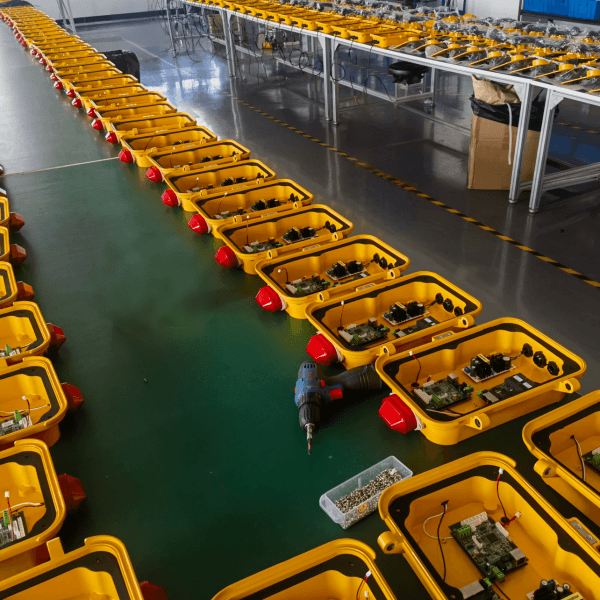
Once the sample is approved, production moves into controlled manufacturing with consistent process monitoring. We inspect key appearance points, lighting performance, and functional behavior during and after assembly. This helps maintain output stability across batches and ensures the final product meets the expected quality level. For customer-facing equipment, this consistency is essential to keeping the user experience uniform across every installation.
FAQs
A custom backlit keypad is used anywhere the user needs clear key visibility in low-light or variable-light environments. Common applications include access control, kiosks, vending machines, ticketing systems, and industrial equipment. It improves usability while also giving the product a more premium and modern appearance.
Yes, the LED color can usually be tailored to match your product design or functional needs. Different colors can help with brand consistency, user guidance, or status indication. The best choice depends on readability, visual preference, and how the keypad will be used in the field.
They can be designed for outdoor or semi-outdoor use when the housing, sealing, and illumination structure are properly specified. The key is to match the design to the environment, including moisture, dust, temperature variation, and sunlight exposure. For demanding installations, the product should be engineered with the end-use conditions in mind.
Depending on the design, materials may include metal, light-transmitting components, protective coatings, and durable internal structures. The material set is selected to balance durability, visibility, and tactile response. In custom projects, the goal is usually to create a keypad that feels solid while keeping the illumination clean and readable.
Yes, the layout can be adapted to your exact application. That includes key count, size, spacing, legends, symbols, and special function keys. A customized layout helps improve workflow and makes the keypad easier for end users to understand.
Uniform lighting comes from careful optical design, material selection, and process control. We pay close attention to light transmission, diffusion, and the relationship between the LED source and the key surface. This helps avoid hot spots, dim areas, or uneven glow across the keypad.
In many product pages, the terms are used similarly, but backlit usually refers to light coming through or behind the key surface. Illuminated designs may also include edge glow or accent lighting around the keypad. The exact structure depends on the visual effect and the application requirements.
Yes, legends, numbers, symbols, and icons can be integrated into the key design. This can be done to improve usability, support multiple languages, or strengthen your brand presentation. Durable marking methods are important so the legends remain readable over long-term use.
We usually need the intended application, keypad dimensions, key layout, backlighting preference, and quantity. Any technical drawings, reference photos, or sample products are also helpful. With that information, we can evaluate feasibility and recommend a practical production approach.
Keypado focuses on custom manufacturing, so the keypad is developed around your product rather than forcing your design to fit a standard part. That helps improve integration, performance, and the overall look of the final equipment. It also gives you more control over the user experience and brand presentation.
Some Cool Facts
Collaborated with Global Partners on
 English
  Deutsch
  Français
  Polski
  Português do Brasil
  Español
  日本語
日本語  Русский
  العربية
  Italiano
  Nederlands
  Türkçe
  한국어
한국어