
Custom Piezo Keypads for Ultra-Durable, Sealed Input Performance
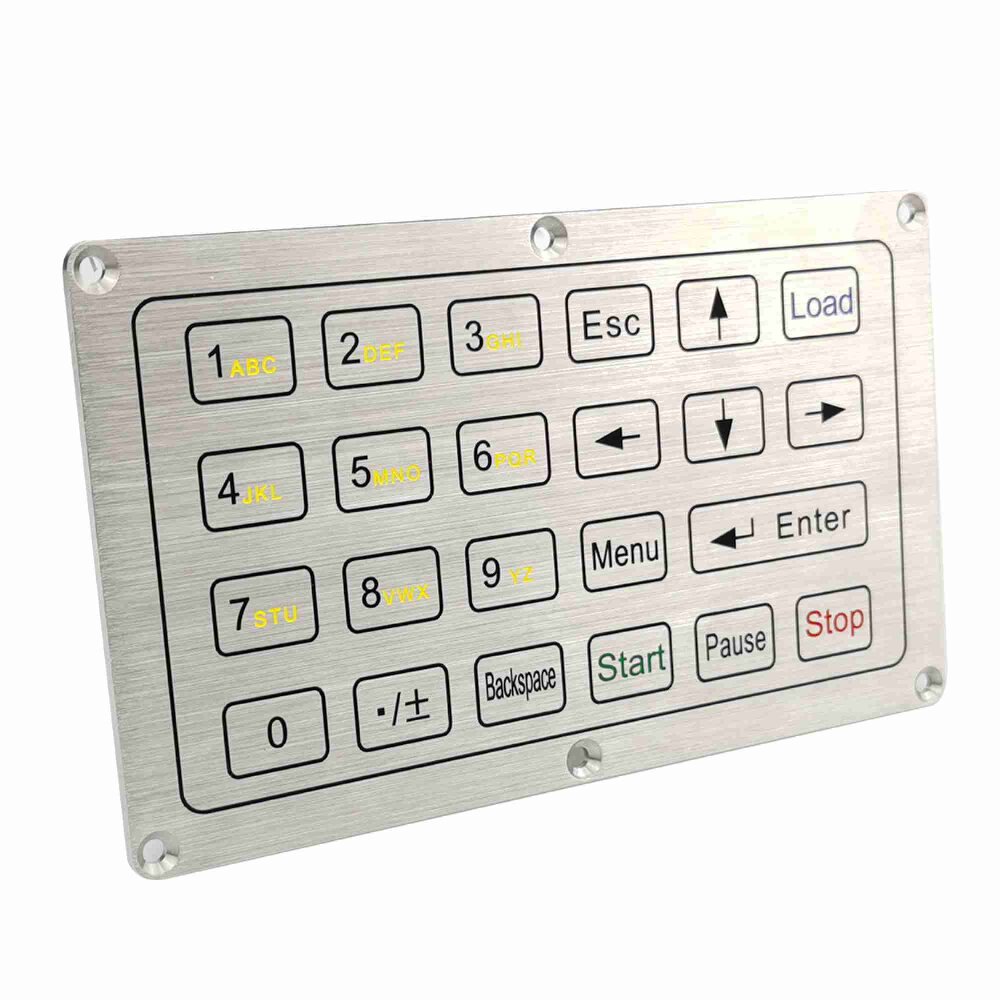
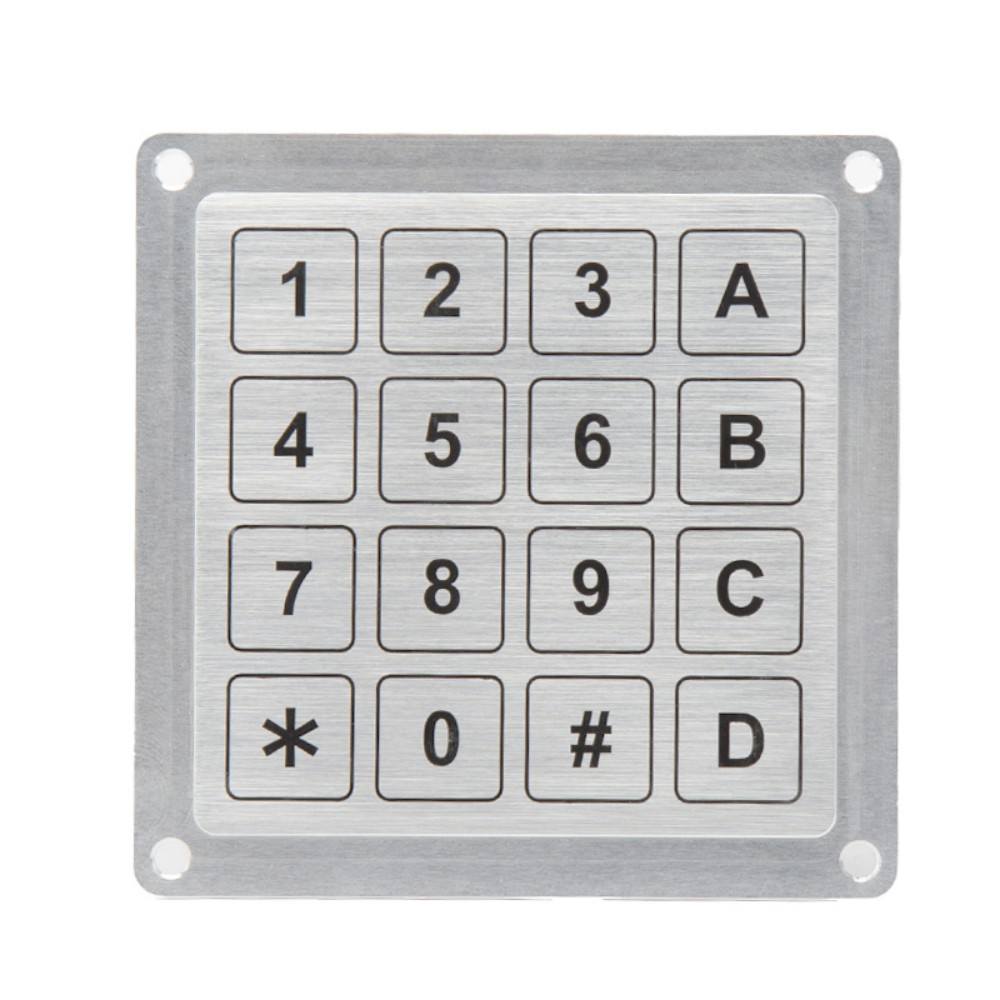
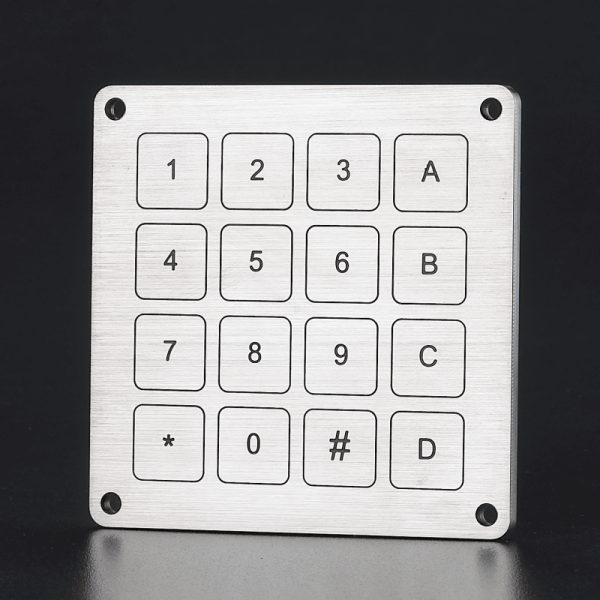
Keypado custom piezo keypads are designed for applications that demand exceptional sealing, long service life, and stable operation in harsh environments. With solid-state piezo technology and no moving parts, these keypads deliver reliable input performance while resisting water, dust, contamination, and vandalism. They can be customized for size, key layout, mounting style, marking, and interface requirements, making them suitable for industrial equipment, access systems, public terminals, and other high-use applications.
Get Custom Quote
No moving parts
The solid-state design reduces mechanical wear and supports long service life in high-traffic applications.
Highly sealed construction
Piezo technology is ideal for environments that need strong protection against water, dust, and contaminants.
Vandal-resistant performance
The rigid front surface helps withstand repeated pressing and public-use abuse better than many conventional keypads.
Fast, reliable actuation
Input is triggered by pressure sensing, helping deliver consistent performance with a crisp user response.
Customizable for your system
Layout, size, markings, mounting method, and interface details can be tailored to your application.
Built for harsh environments
Suitable for industrial, outdoor, medical, and security-related equipment where reliability is critical.
Designed Around Your Operating Environment and Interface Needs
Every Keypado piezo keypad can be configured to fit the mechanical, electrical, and visual requirements of your product.
Key Layout & Function Design
Faceplate Material & Finish
Marking & Branding
Mounting & Mechanical Integration
Electrical Response & Interface
Key Layout & Function Design
- Customize key count, arrangement, and key size for your workflow.
- Add numeric keys, function keys, or special symbols to support the device logic.
- Optimize spacing and proportions for ergonomic and intuitive operation.
Faceplate Material & Finish
- Select metal or other suitable front-panel materials depending on the environment.
- Apply surface treatments that improve corrosion resistance and visual quality.
- Match the final look to industrial, commercial, or premium equipment styling.
Marking & Branding
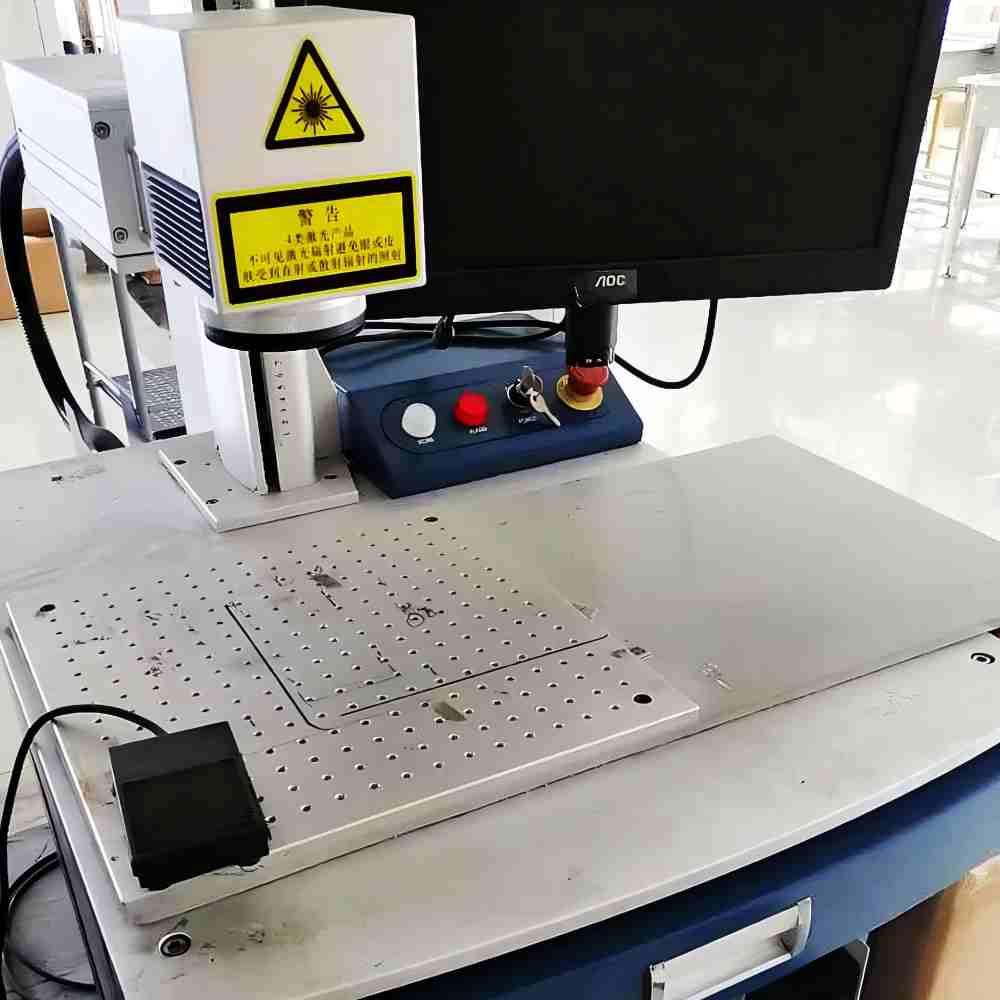
- Add laser marking, etched graphics, printed legends, or custom icons.
- Support brand identity while keeping the interface easy to understand.
- Improve long-term readability in demanding use conditions.
Mounting & Mechanical Integration
- Choose front or rear mounting based on enclosure design.
- Adjust panel thickness, cutout size, and overall dimensions as needed.
- Simplify installation and improve fit accuracy in the final assembly.
Electrical Response & Interface
- Configure output behavior to match your controller or system architecture.
- Optimize sensitivity and actuation characteristics for the target application.
- Ensure the keypad communicates cleanly with the host device.
Keypado Applications





Why Keypado is Your Go-to Choice
Solid-State Reliability Without Mechanical Wear
Custom piezo keypads operate through pressure sensing rather than traditional moving switches, which makes them fundamentally different from mechanical input devices. Because there are no moving parts, the keypad is less exposed to wear, fatigue, or failure from repeated actuation. This makes piezo technology especially attractive for installations that face constant public use or difficult operating conditions. In many applications, the result is a longer lifecycle, fewer service concerns, and more stable user interaction over time.
Engineered for Sealing and Contamination Resistance
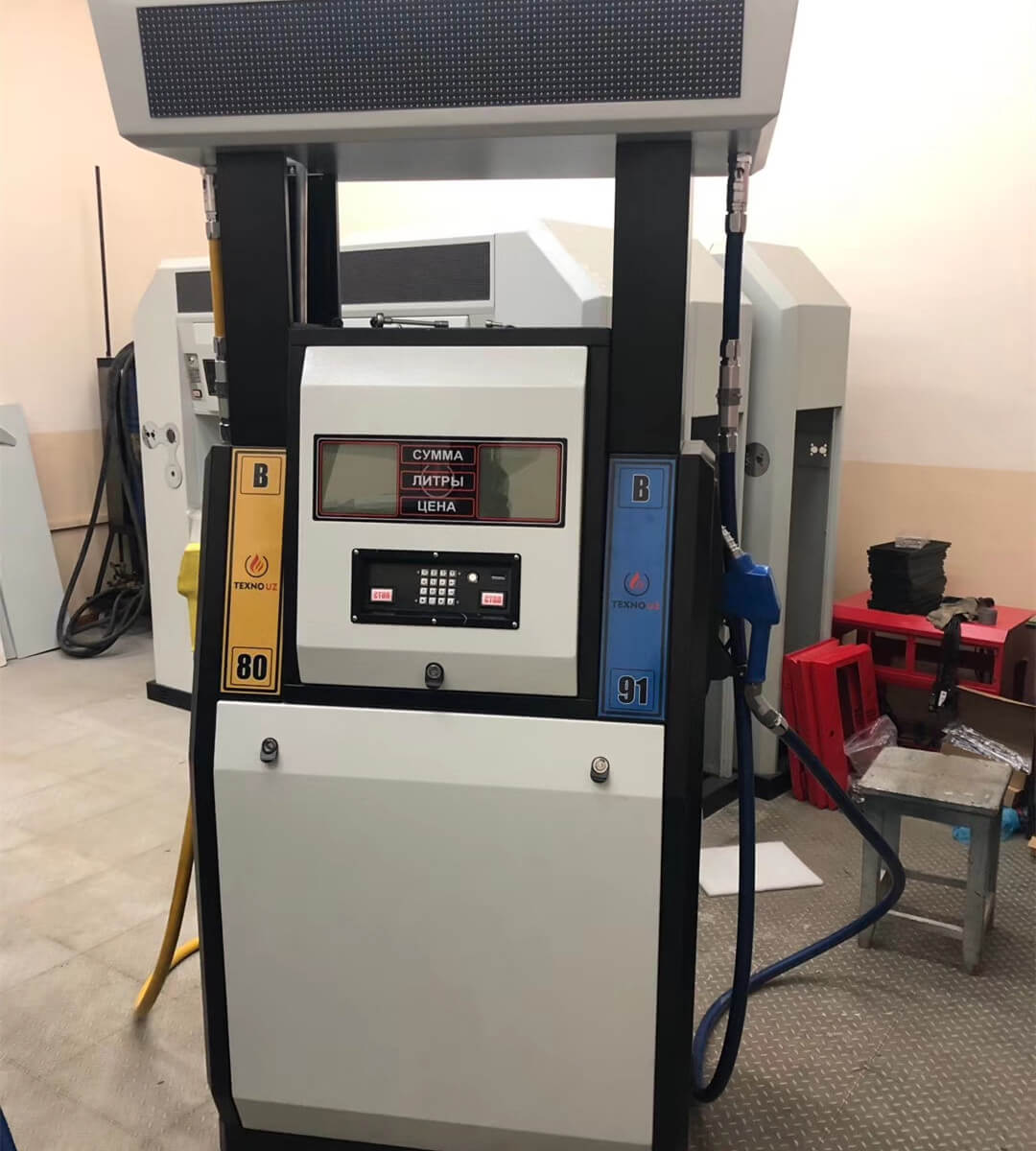
Piezo keypads are widely selected where sealing is a priority, because the closed-surface structure helps protect the internal sensing elements. This makes them suitable for environments exposed to water, dust, cleaning agents, outdoor weather, or industrial contaminants. Depending on the design, the keypad can be built to support high sealing targets and robust environmental resistance. For equipment used in security, medical, food processing, or outdoor control systems, that protection can be a major operational advantage.
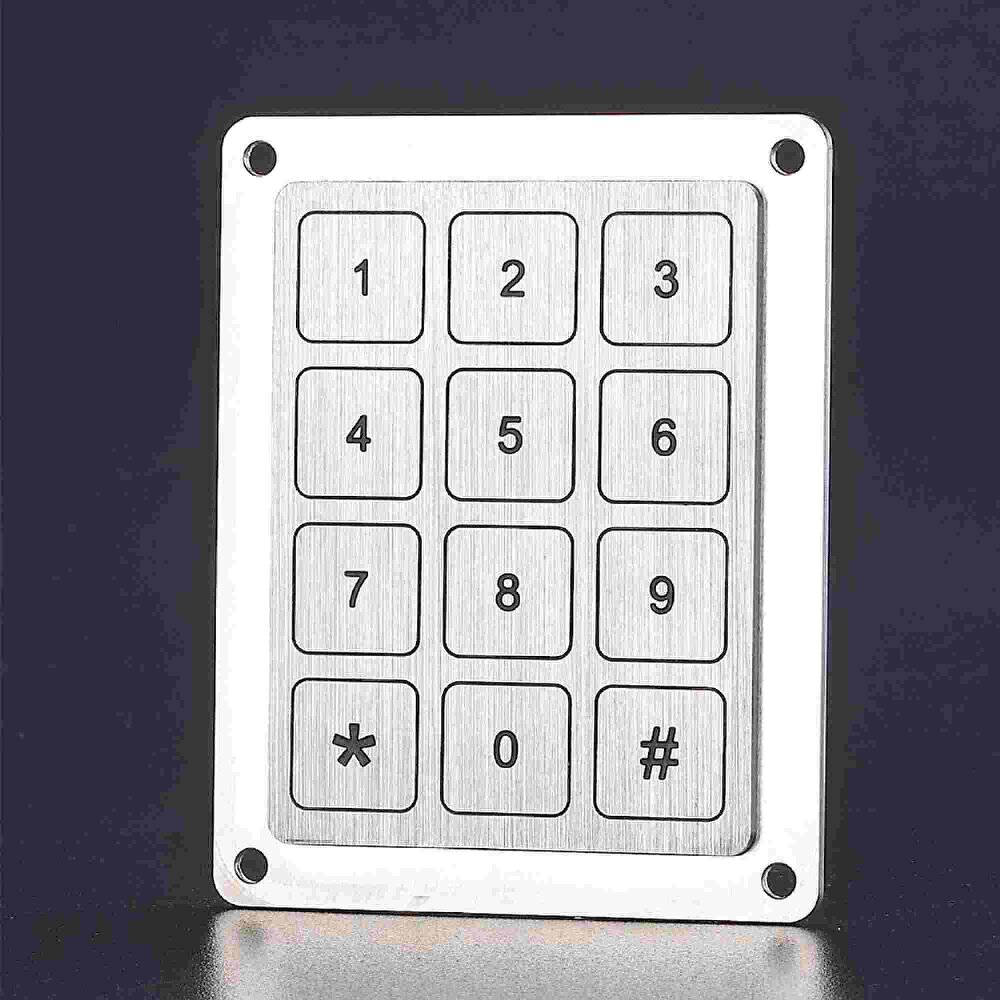
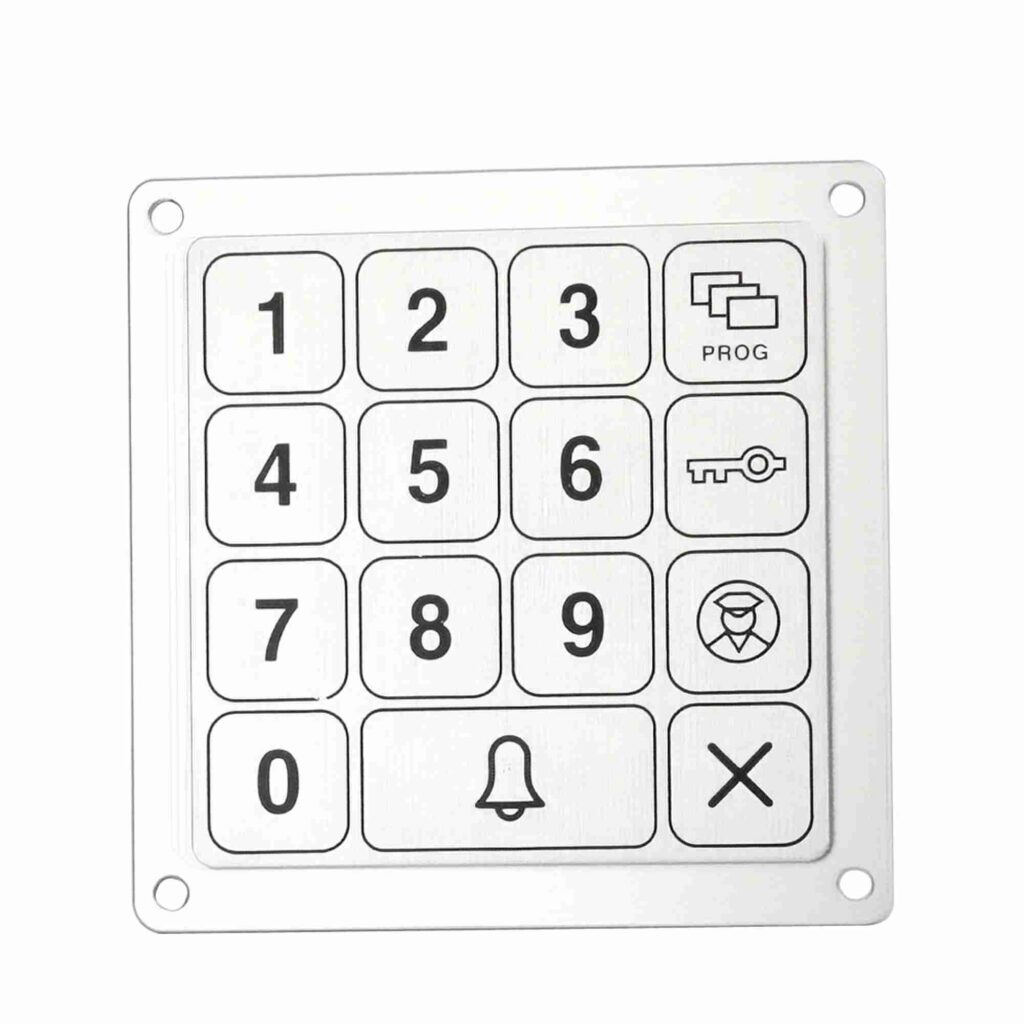
A Rugged Interface for Public and Industrial Use
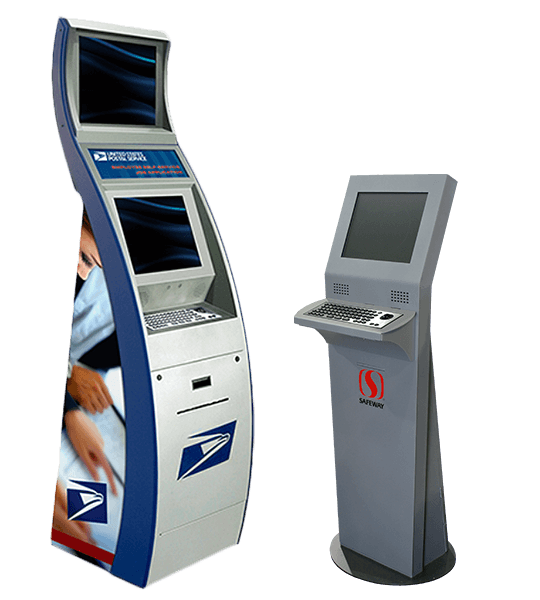
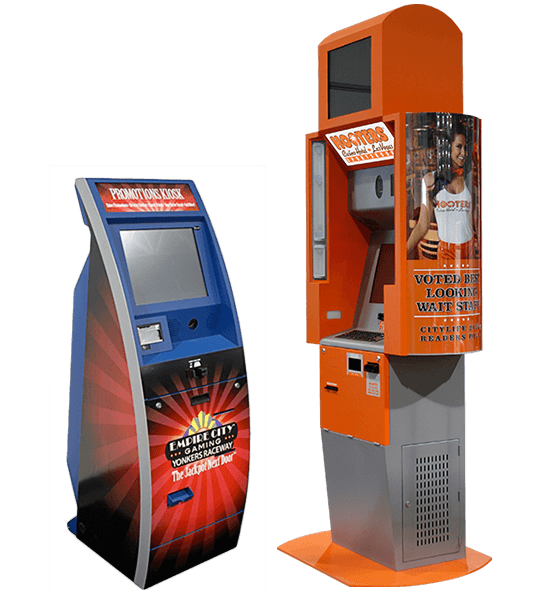
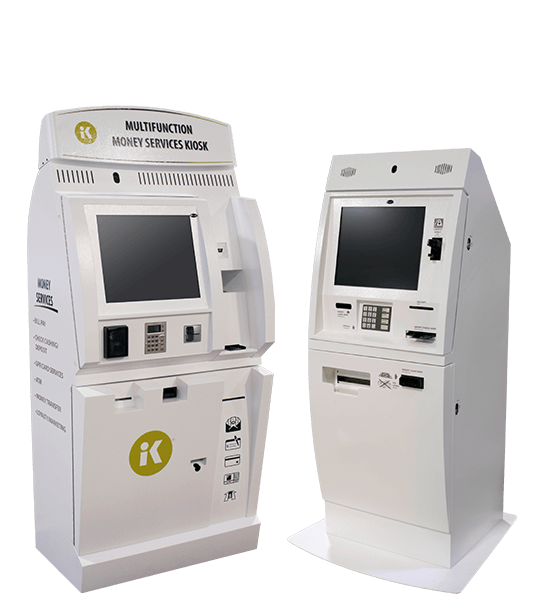
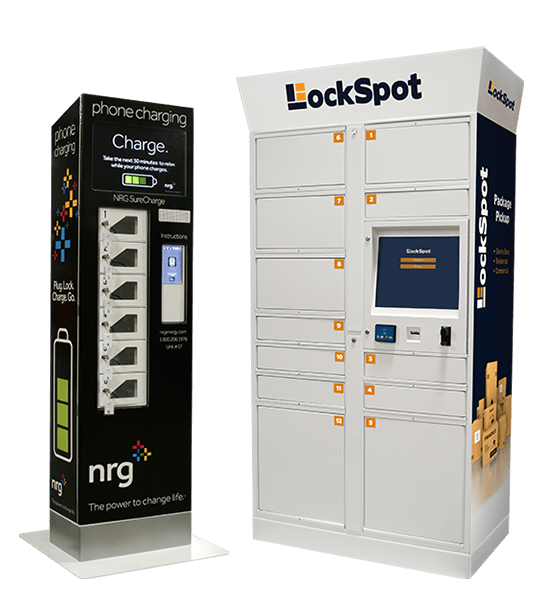
The hard front surface of a piezo keypad provides strong resistance to tampering and everyday abuse, making it a solid choice for high-traffic applications. Typical use cases include access control, kiosks, ticketing terminals, industrial panels, and other shared systems where durability matters. Design parameters such as key size, panel thickness, and sensing sensitivity can be aligned with the final use case. That flexibility helps the keypad balance durability, input comfort, and visual integration into the finished product.
Custom Production for Professional Integration
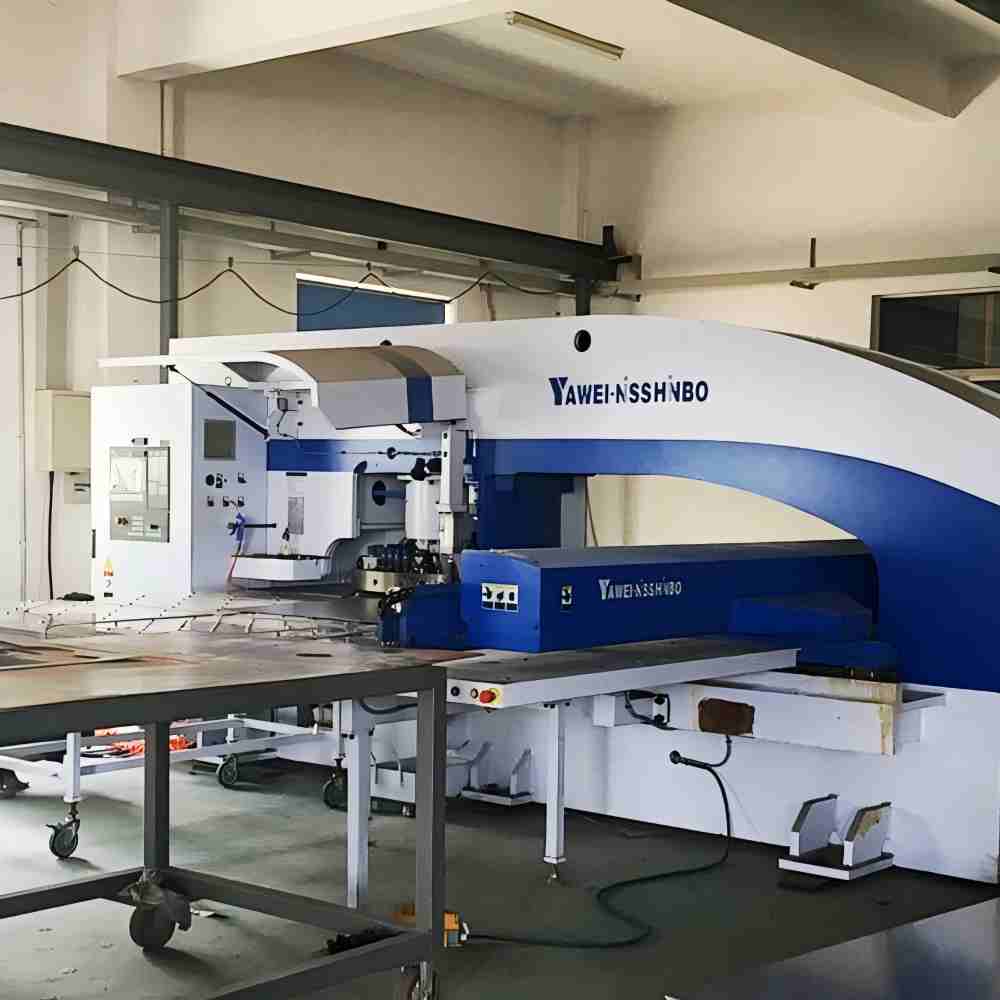
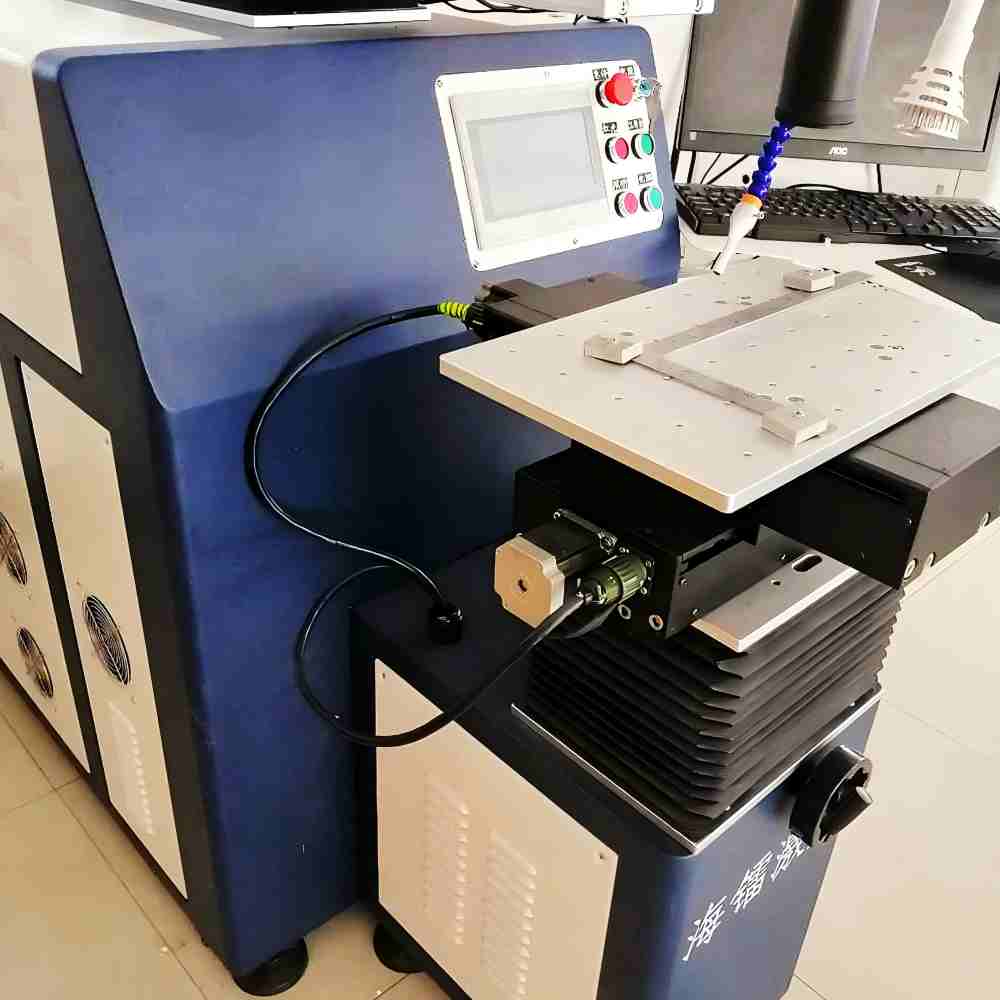
Keypado custom piezo keypads are not limited to standard formats; they are built to support product-specific requirements from the start. Materials, markings, mounting style, and electrical interface details can be adapted to the target device, helping reduce installation issues and improving product coherence. The production process typically includes engineering review, prototype validation, and controlled manufacturing to ensure the keypad performs consistently. This makes piezo technology a practical option when your application needs both technical reliability and a refined front-panel appearance.

A Precision Process for High-Reliability Piezo Input Systems
Our custom process is designed to help you move from concept to validated production with control over performance, fit, and quality.
1. Application Review and Specification Alignment
We start by reviewing the operating environment, user interaction requirements, installation method, and electrical expectations. For piezo keypads, these details matter because the sensing method, faceplate structure, and mounting strategy all influence final performance. We also assess target durability, sealing needs, and cosmetic requirements so the keypad can be engineered for the real application rather than a generic use case. A clear specification at this stage helps set the foundation for a successful project.
2. Structural Design and Sensing Planning
Next, we define the keypad architecture, including key geometry, faceplate thickness, sensing position, and layout logic. Since piezo keypads rely on pressure deformation, the mechanical design must be tuned carefully to ensure reliable activation and comfortable operation. We also consider how the interface will integrate with your housing and controller. This step is critical because the mechanical and electrical sides of the product must work together from the beginning.
3. Sample Development and Functional Validation
Prototype samples are produced to verify actuation response, sealing concept, legend readability, and dimensional fit. During this stage, we evaluate whether the keypad feels responsive enough, whether the layout is intuitive, and whether the overall structure meets the target application needs. If adjustments are required, they are made before large-scale production begins. This reduces risk and helps ensure the final product performs consistently in the field.
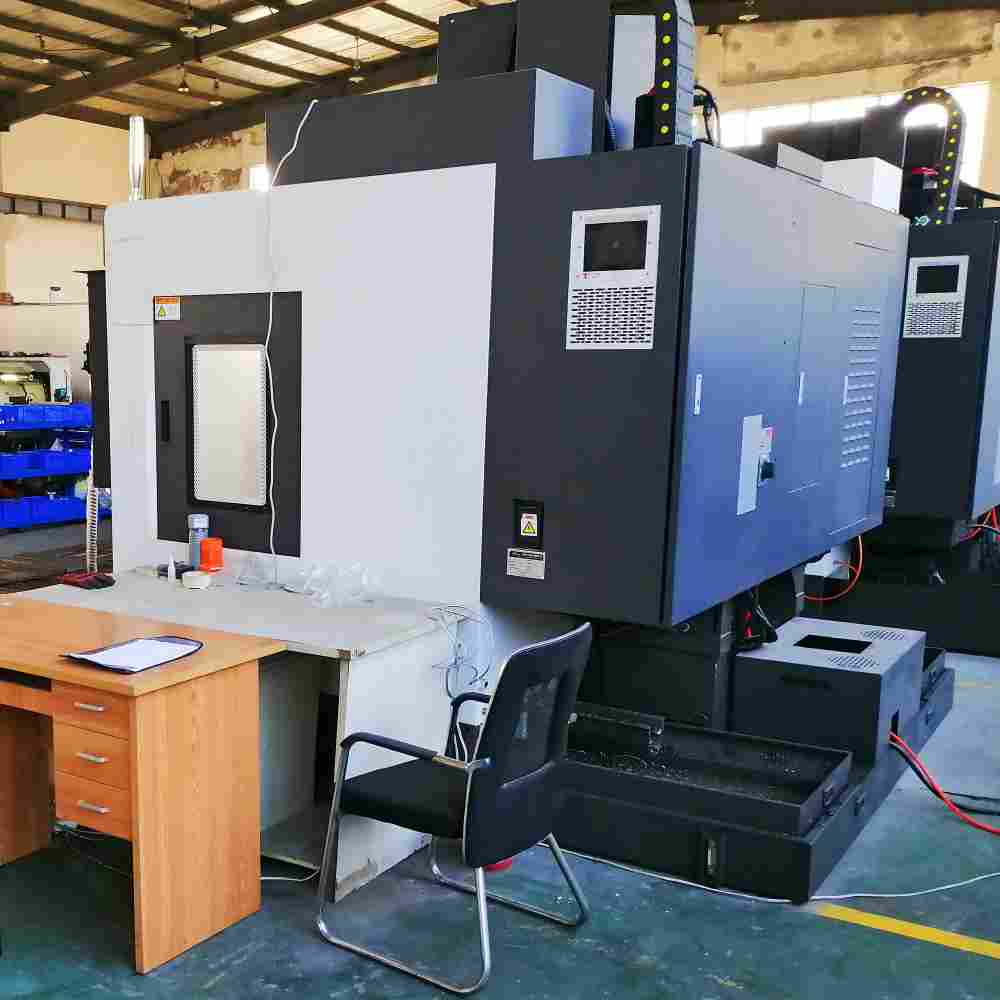
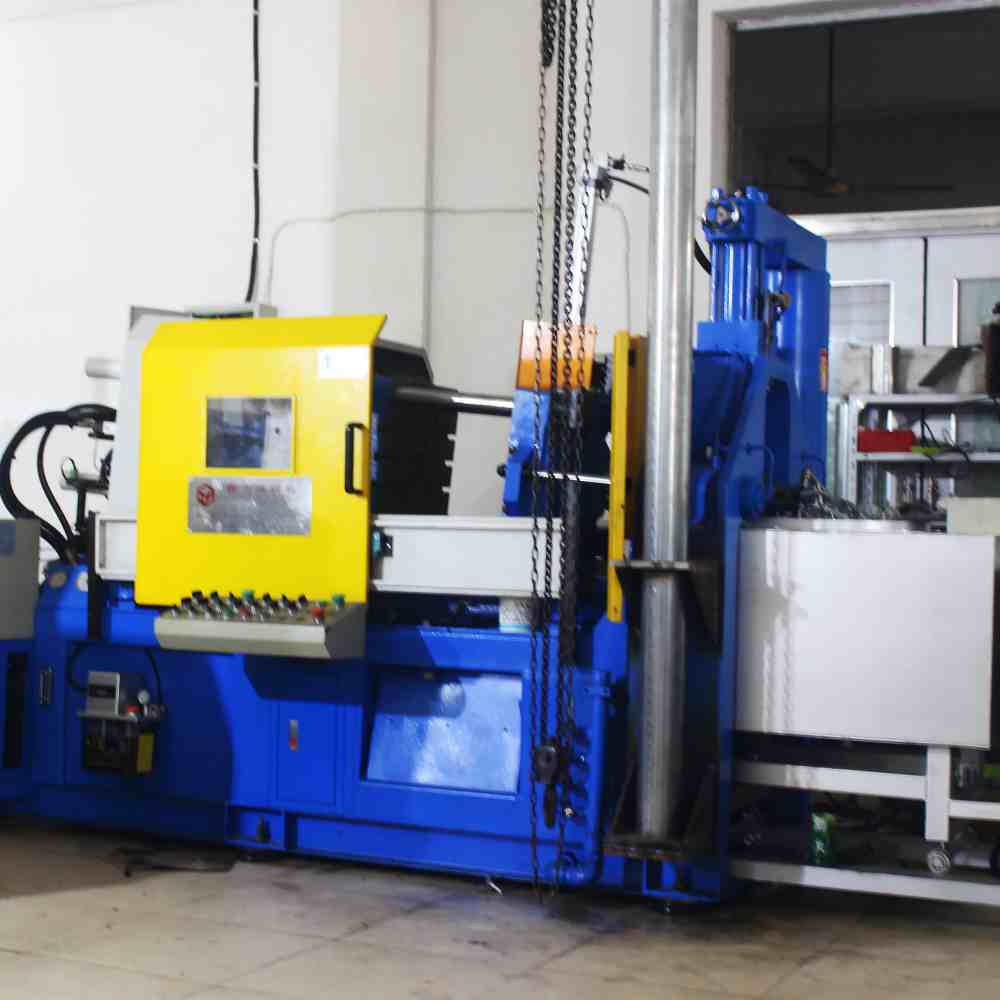
4. Controlled Manufacturing and Inspection
After sample approval, production moves into a controlled manufacturing process with attention to consistency and repeatability. Key dimensions, appearance, sensitivity, and structural integrity are monitored throughout the workflow. This is especially important for piezo products because precision in assembly directly affects user experience and long-term reliability. The result is a keypad that is prepared for stable integration into high-use equipment.
FAQs
A piezo keypad is a solid-state input device that uses pressure sensing rather than a traditional mechanical switch. When a user presses the surface, the deformation is detected and converted into an electrical signal. This design is valued for durability, sealing performance, and long life.
Piezo keypads are often chosen when long service life and environmental resistance are priorities. With no moving parts, there is less mechanical wear and fewer points of failure. They are especially useful in harsh or public-facing applications where repeated use is expected.
They can be designed for very high sealing performance because the keypad structure does not rely on exposed moving contacts. The final sealing level depends on the full design, including panel integration and enclosure conditions. For wet or dusty environments, piezo technology is often one of the strongest options available.
Yes, they are well suited to outdoor applications when the materials, mounting, and sealing design are properly specified. Outdoor systems benefit from the keypad’s rugged surface and resistance to contamination. As with any custom component, the final design should be matched to the real environmental exposure.
They are commonly used in access control, kiosks, ticketing, industrial automation, medical equipment, and security systems. These applications benefit from the keypad’s sealed construction and reliable actuation. Any product that needs a durable, low-maintenance interface can be a strong candidate.
Yes, the key layout can be developed to match your exact interface logic. That includes key count, arrangement, size, and function labeling. A tailored layout improves usability and helps the keypad fit naturally into your product design.
Front mounting and rear mounting are both possible depending on the structure of the host device. The right option depends on enclosure depth, panel design, and service considerations. Mechanical integration is an important part of the project because it affects installation and product appearance.
Piezo keypads are known for long service life because they do not depend on mechanical switching parts. In many applications, that translates into extended lifecycle performance and reduced maintenance demands. Actual lifespan depends on the operating conditions, design, and frequency of use.
Yes, we can add legends, symbols, icons, and branding details to the keypad face. Marking methods are selected based on durability, readability, and visual requirements. This helps the keypad support both function and product identity.
We usually need the intended application, key layout, size requirements, mounting preference, and interface details. Any drawings, reference samples, or performance targets are also very helpful. With that information, we can evaluate feasibility and build a practical custom solution.
Some Cool Facts
Collaborated with Global Partners on

 English
  Deutsch
  Français
  Polski
  Português do Brasil
  Español
  日本語
日本語  Русский
  العربية
  Italiano
  Nederlands
  Türkçe
  한국어
한국어