
Teclados metálicos a medida para entornos industriales, públicos y hostiles
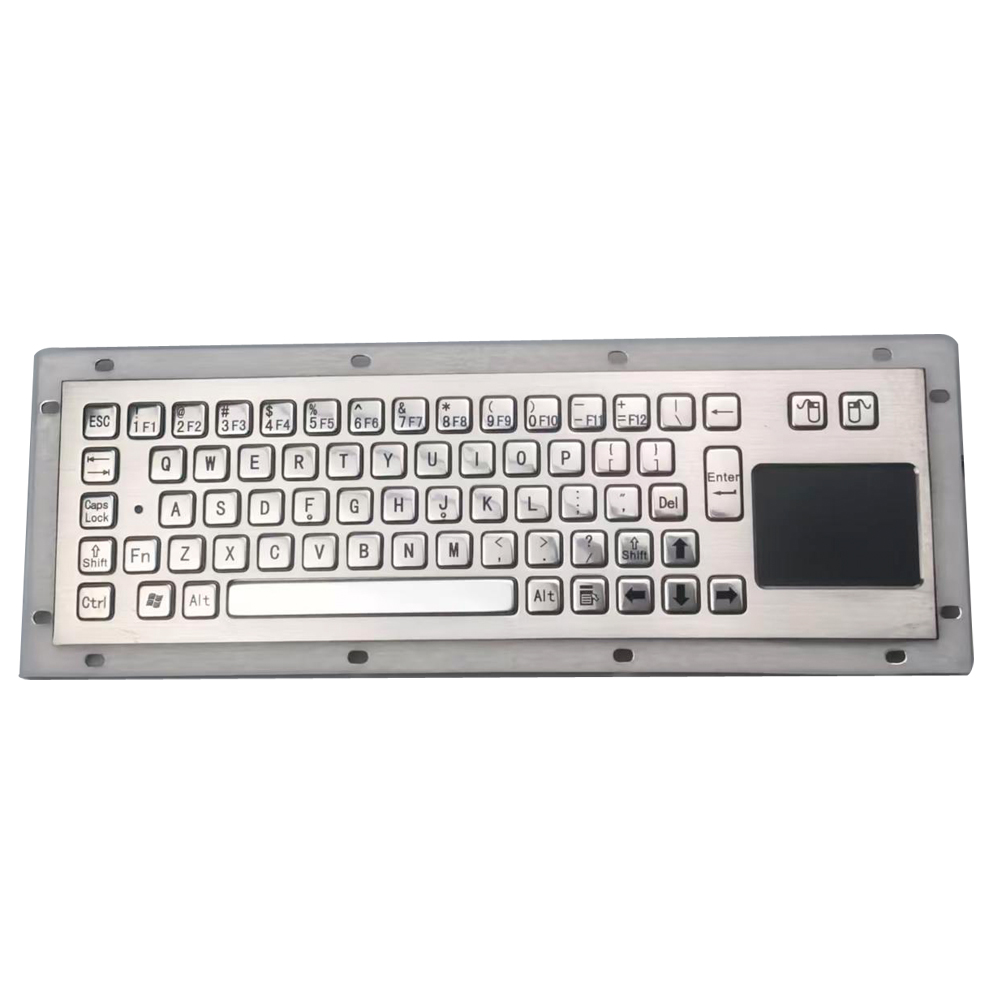
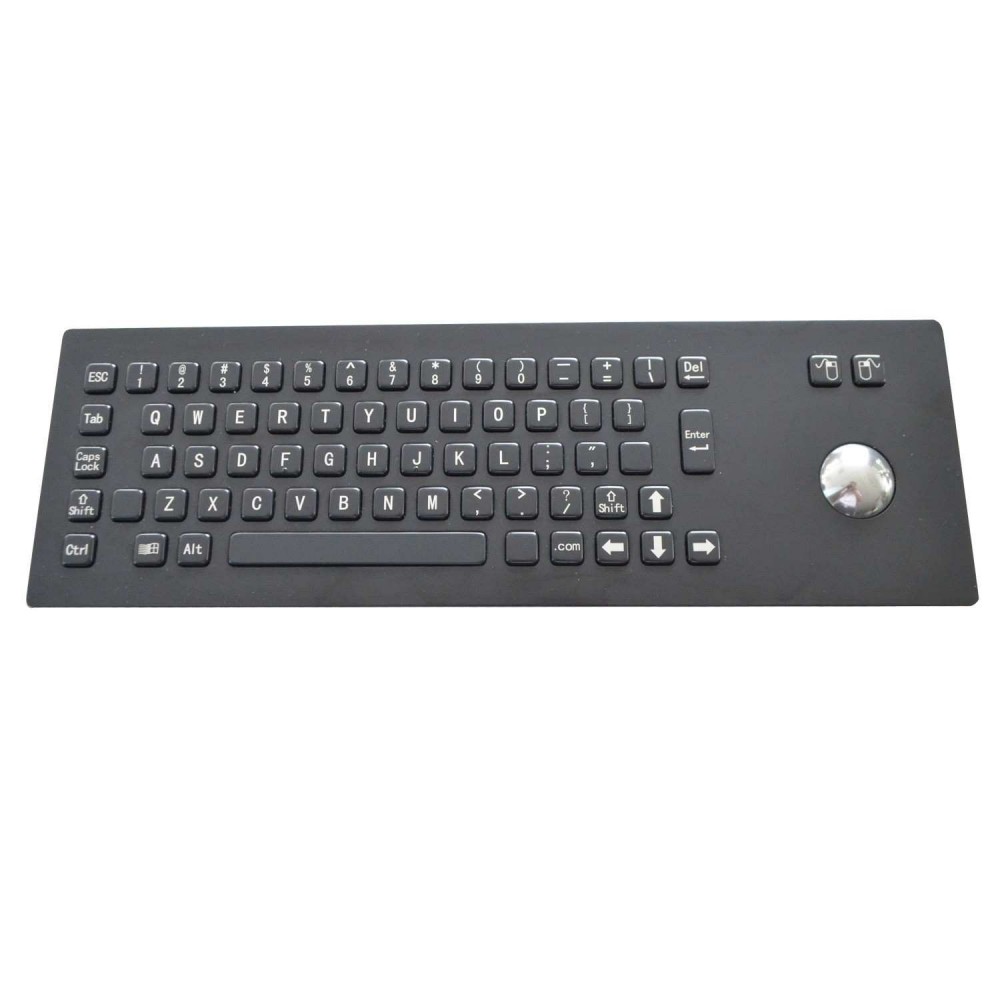
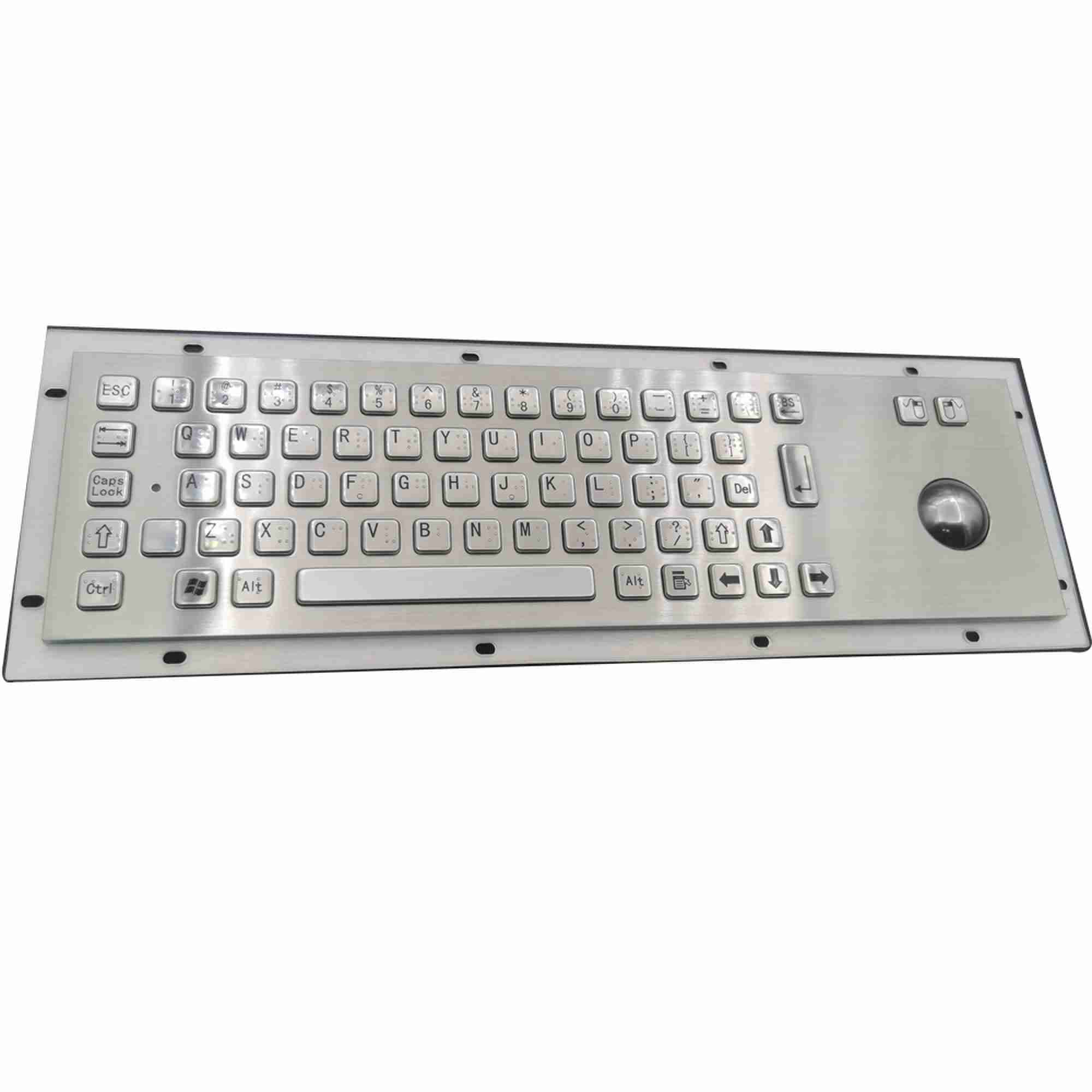
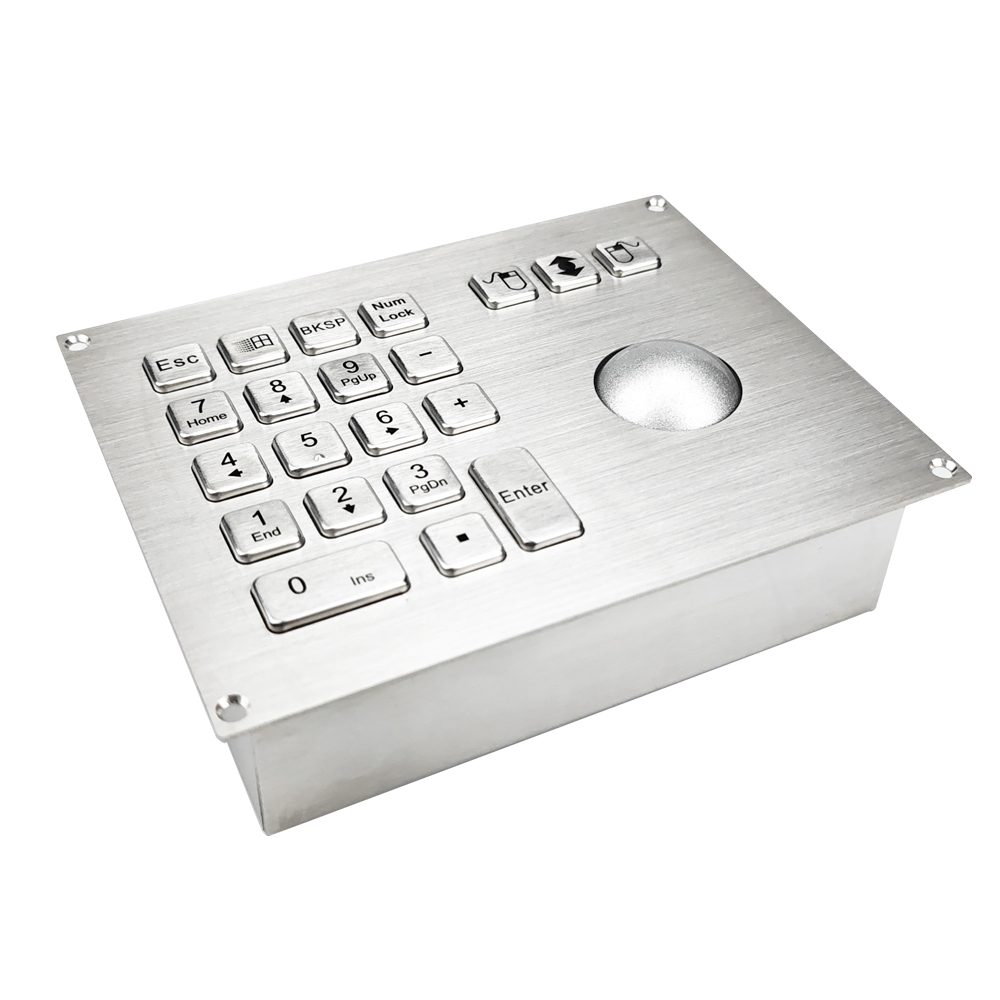
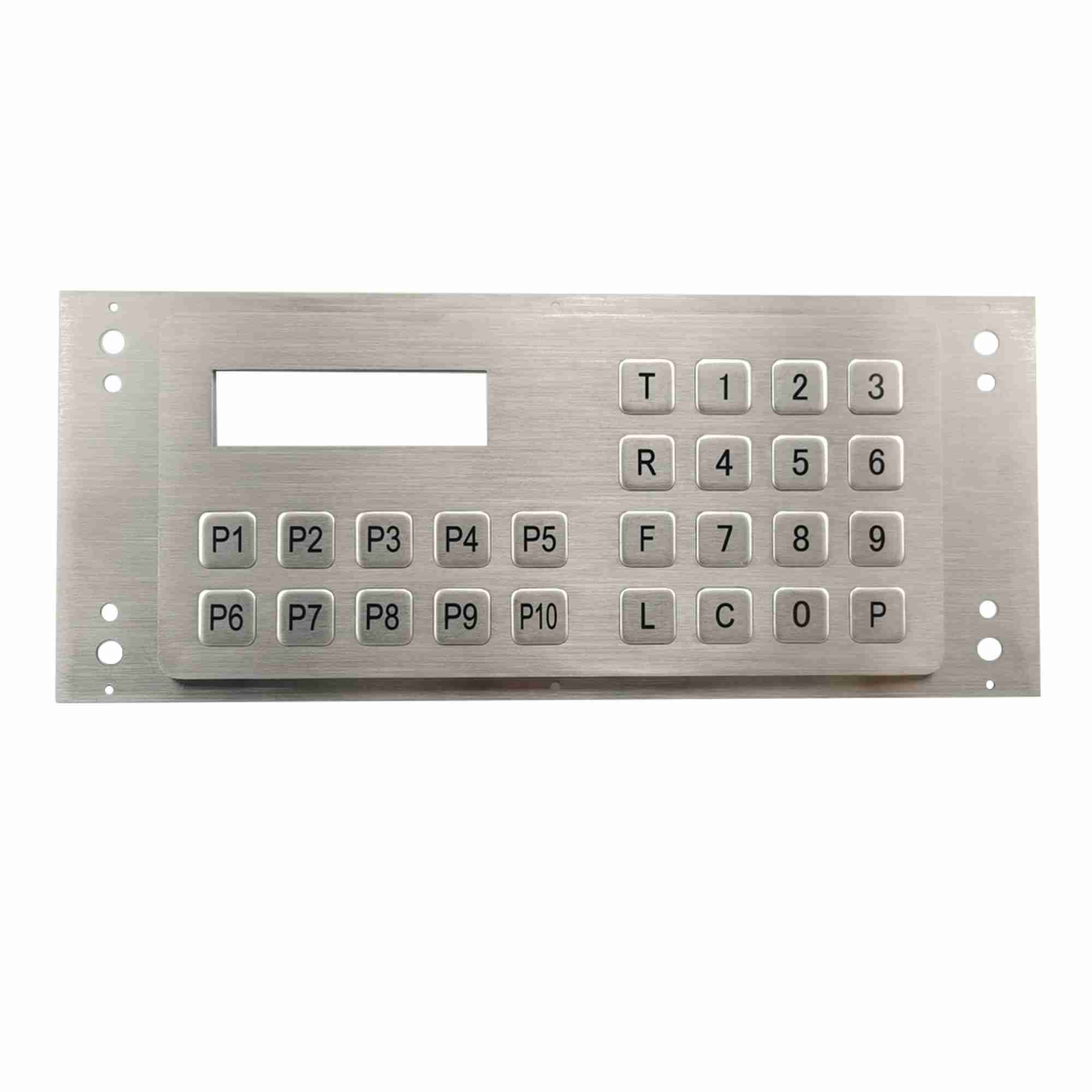
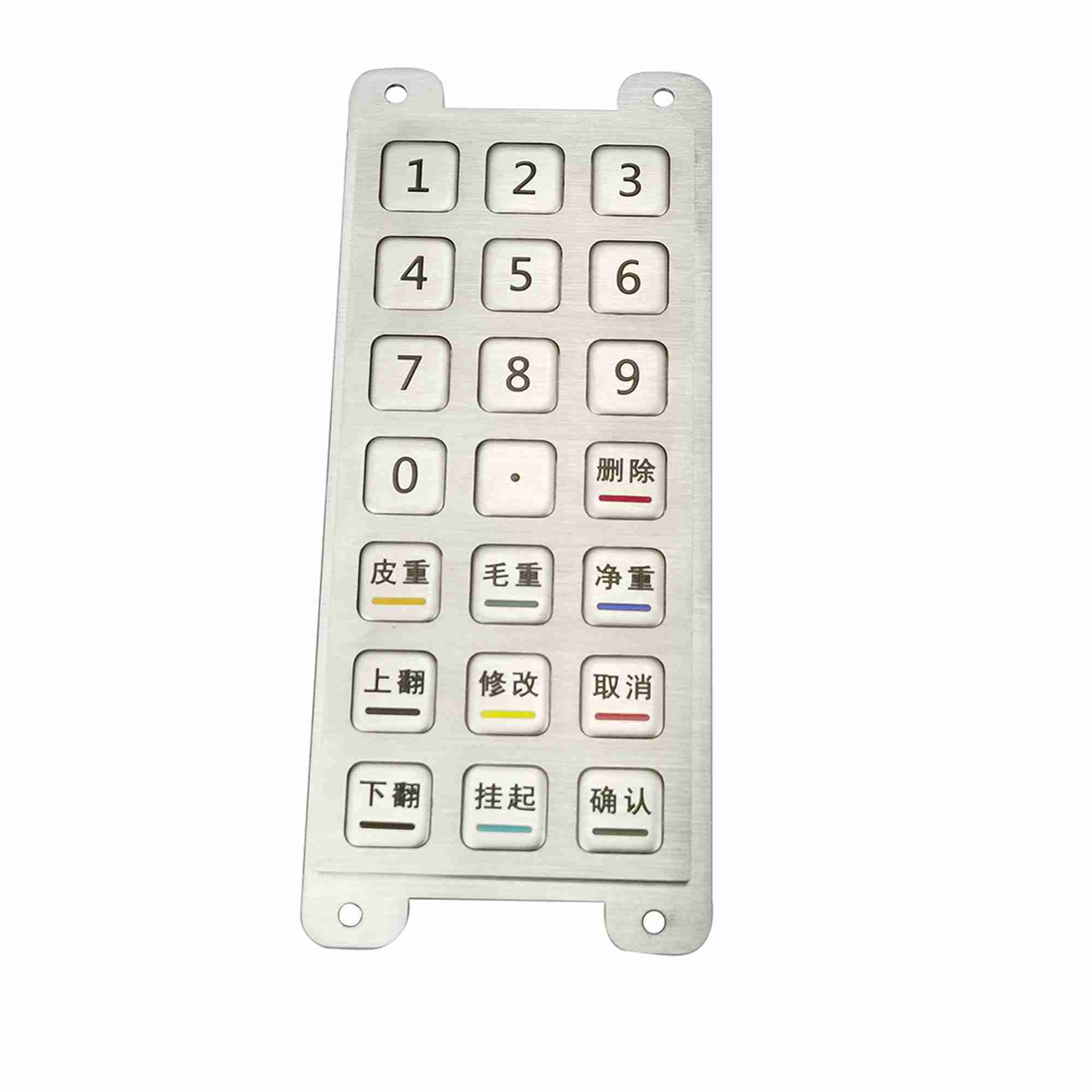
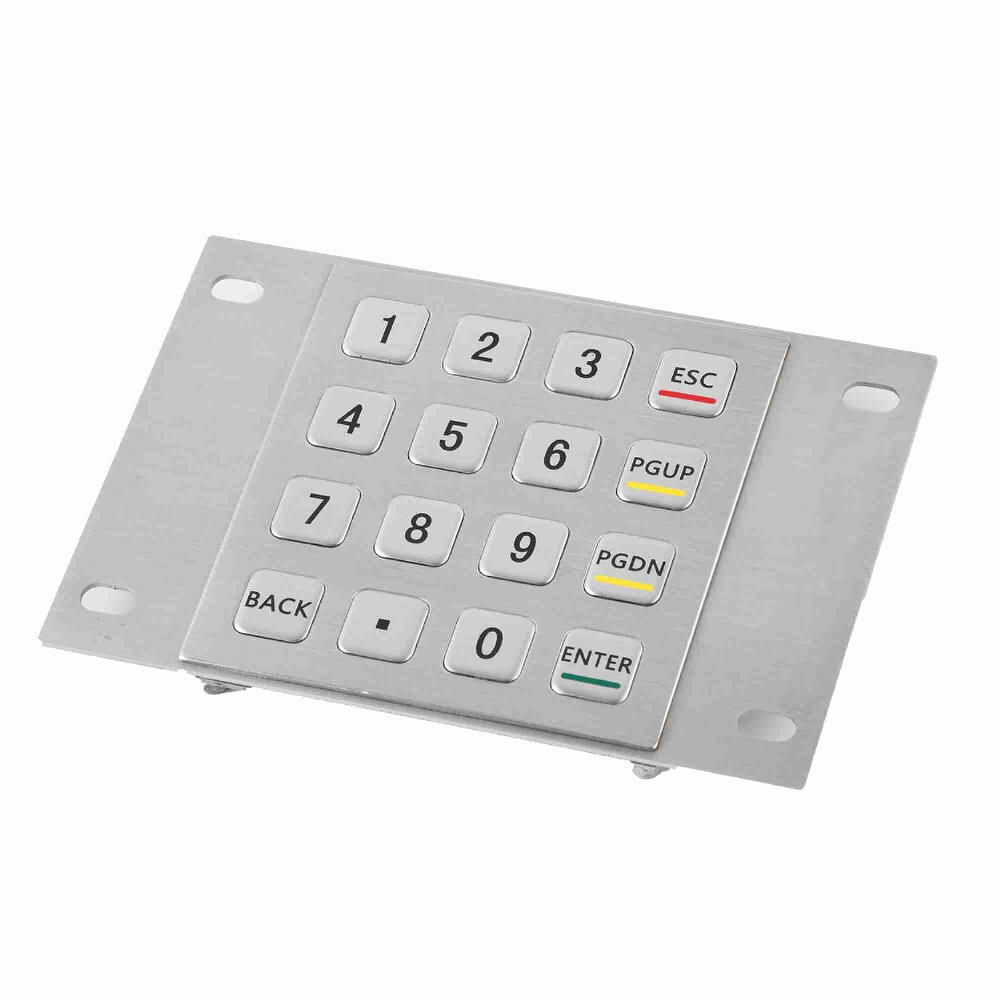
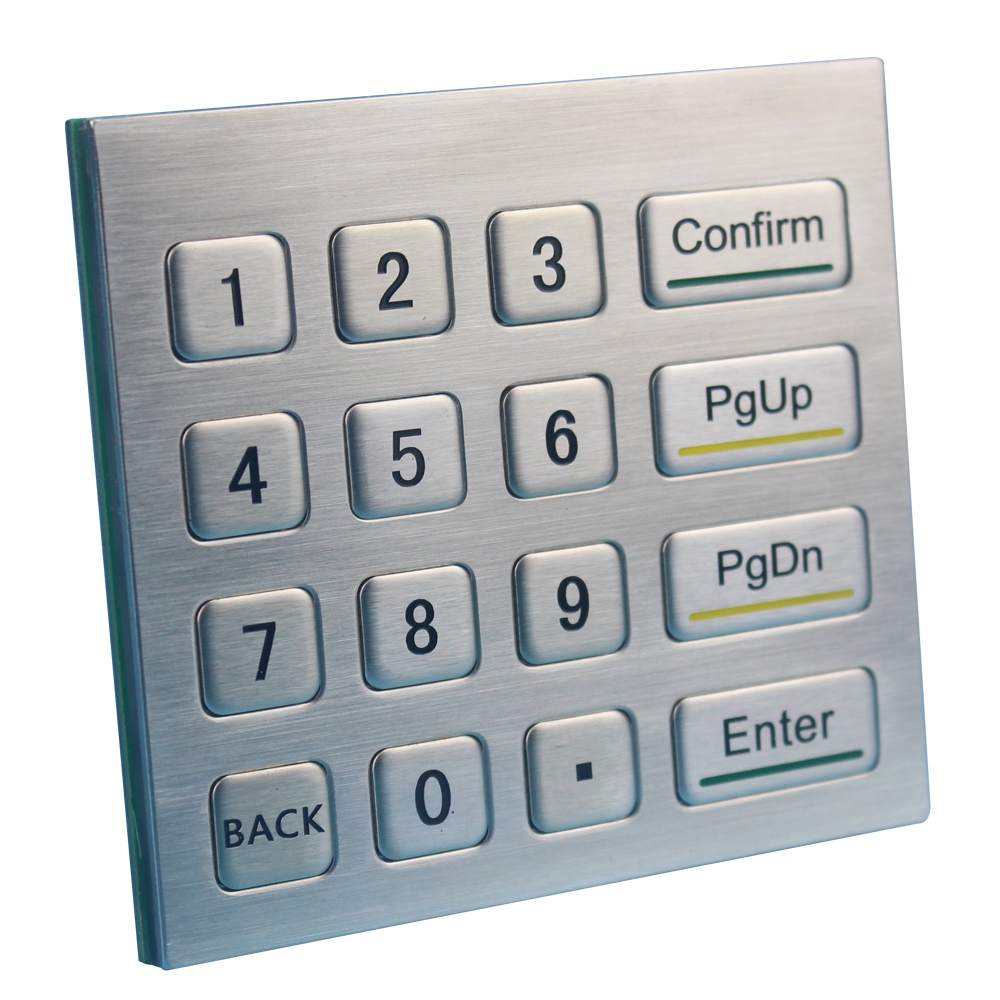
Los teclados metálicos personalizados de Keypado están diseñados para garantizar una introducción de datos fiable en equipos industriales, terminales públicos, sistemas de control de acceso, máquinas expendedoras, taquillas para paquetería, surtidores de combustible, equipos de venta de billetes, quioscos, sistemas de transporte e instalaciones de seguridad. Fabricados en acero inoxidable, aluminio u otros materiales metálicos especificados, estos teclados pueden configurarse con teclas numéricas, distribuciones QWERTY completas, teclas de función, marcas en braille, retroiluminación, trackballs, paneles táctiles, interfaces USB o componentes electrónicos personalizados. Hay disponibles estructuras para montaje en panel y montaje trasero, con un sellado de la carcasa diseñado en función del nivel de protección requerido. Desde la distribución de las teclas hasta el acabado de la superficie, Keypado desarrolla cada teclado adaptándolo a su equipo y a su entorno operativo.
Personalizar Cita
Principales características y ventajas
Protege tu interfaz. Mejora cada entrada.
Estructura metálica resistente
Las carcasas de acero inoxidable, aluminio u otros metales ofrecen una mayor resistencia a los impactos, la manipulación indebida, las vibraciones, la corrosión y el uso repetido.
Protección contra el agua y el polvo
Las estructuras de llaves selladas, los conjuntos de placas de circuito impreso protegidos, las juntas y las interfaces de paneles contribuyen a garantizar un funcionamiento fiable en entornos polvorientos, húmedos o propensos a ser sometidos a lavados a presión.
Configuraciones de teclado personalizadas
Se pueden desarrollar diseños numéricos, QWERTY, de teclas de función, matriciales, en braille, de pago, de control de acceso y específicos para cada aplicación para su equipo.
Funcionamiento táctil y uniforme
Se pueden seleccionar tecnologías de conmutación de cúpula metálica, mecánica, de silicona u otras, en función de la fuerza de accionamiento, el recorrido, la respuesta y los requisitos de servicio.
Apuntado e iluminación integrados
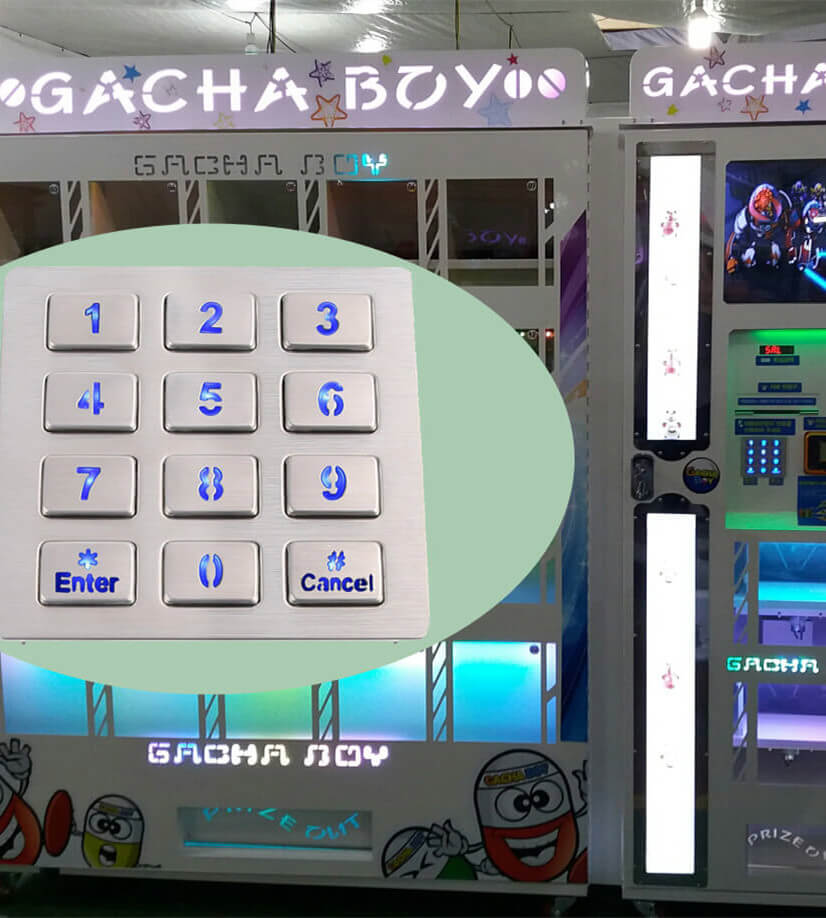
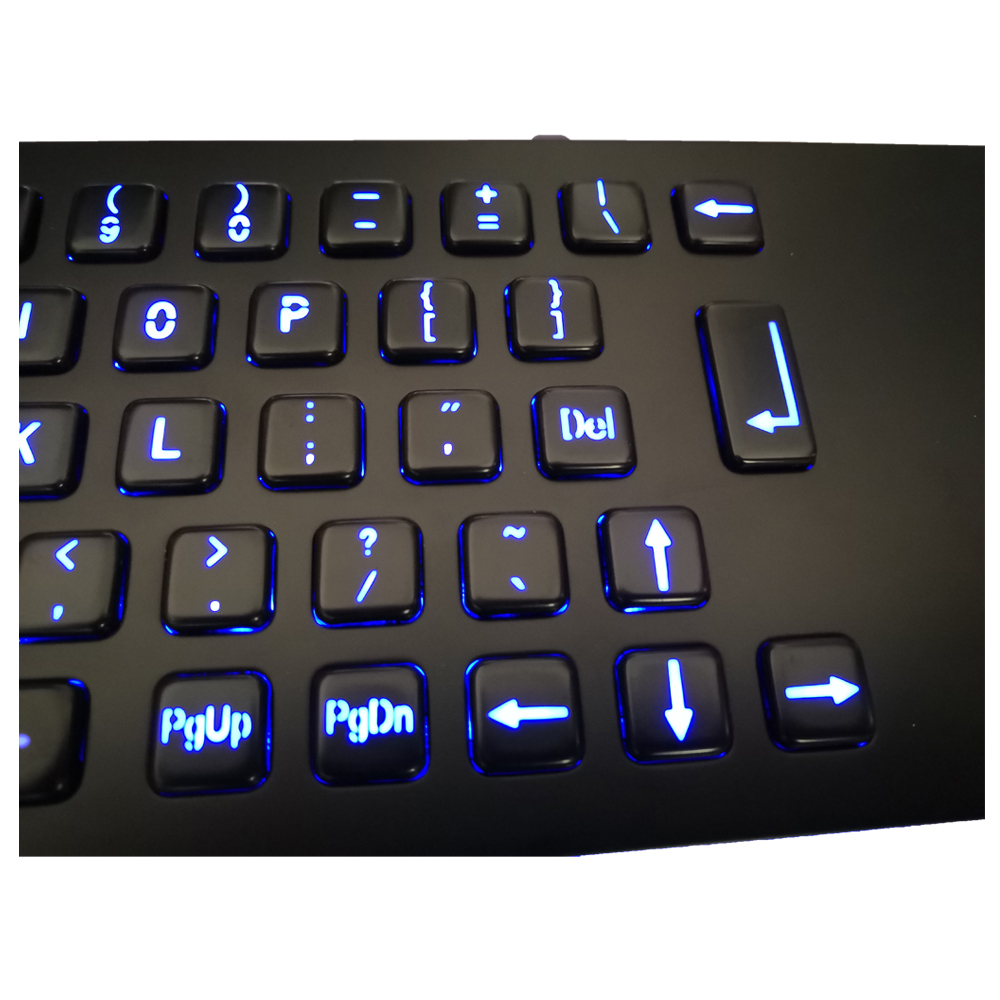
Los trackballs, los paneles táctiles, los botones del ratón, los indicadores LED y las teclas retroiluminadas pueden mejorar la navegación y la facilidad de uso en entornos con poca luz o industriales.
Montaje e interfaces flexibles
Las opciones de montaje frontal y trasero pueden combinarse con interfaces USB, PS/2, matriciales, serie o electrónicas personalizadas para facilitar la integración en el sistema.
Configura el teclado según tu equipo
Keypado personaliza la estructura mecánica del teclado, la disposición de las teclas, la tecnología de conmutación, la interfaz electrónica y el aspecto para adaptarlos a equipos y entornos operativos específicos.
Disposición del teclado y funciones de las teclas
Material de la carcasa y acabado de la superficie
Tecnología de interruptores y sensación al pulsar las teclas
Electrónica e interfaz de sistemas
Montaje y configuración ambiental
Disposición del teclado y funciones de las teclas
- Teclados QWERTY completos, teclados alfanuméricos compactos, numéricos, con teclas de función o con diseños específicos para cada aplicación.
- Número de teclas, espaciado entre teclas, tamaño de las teclas, leyendas, símbolos, idiomas y secuencia de funcionamiento personalizables.
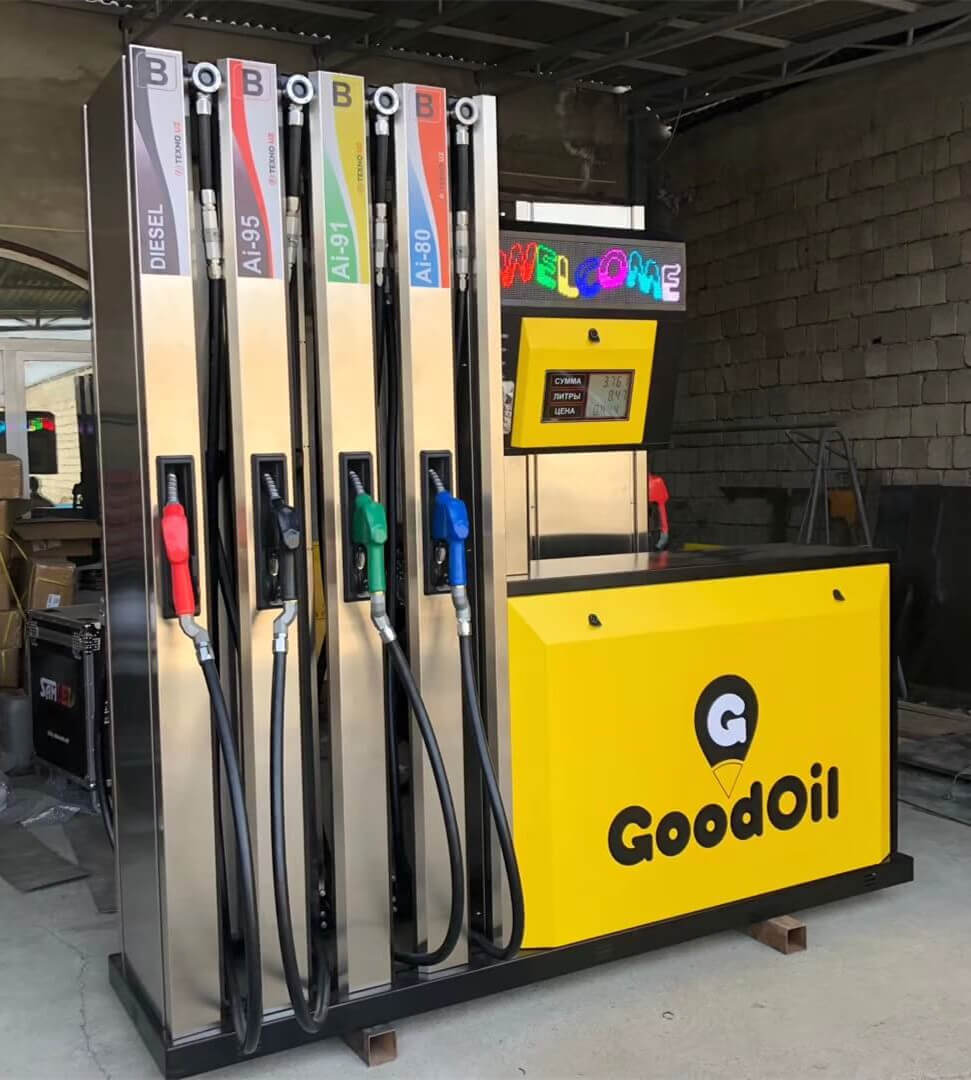
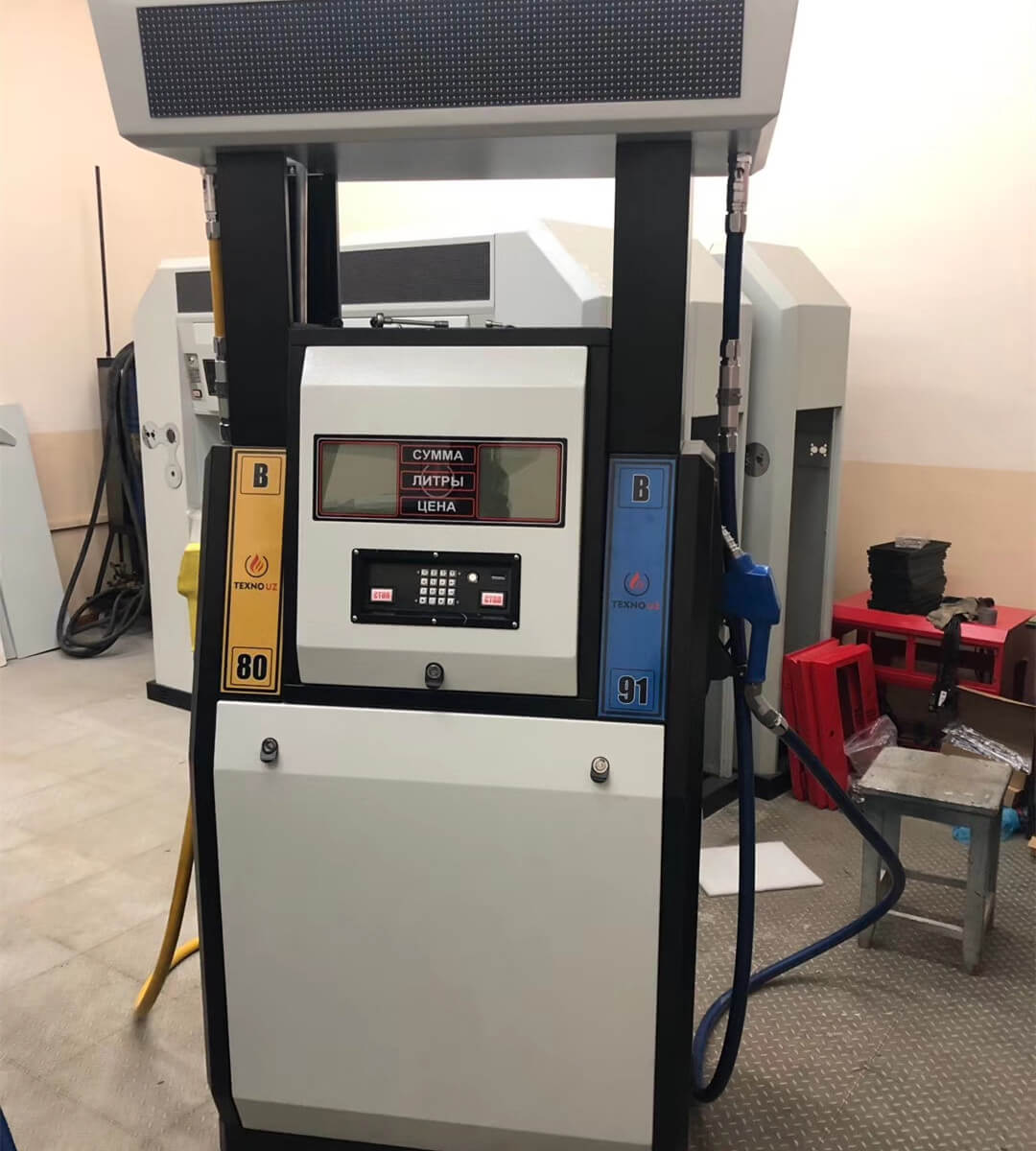
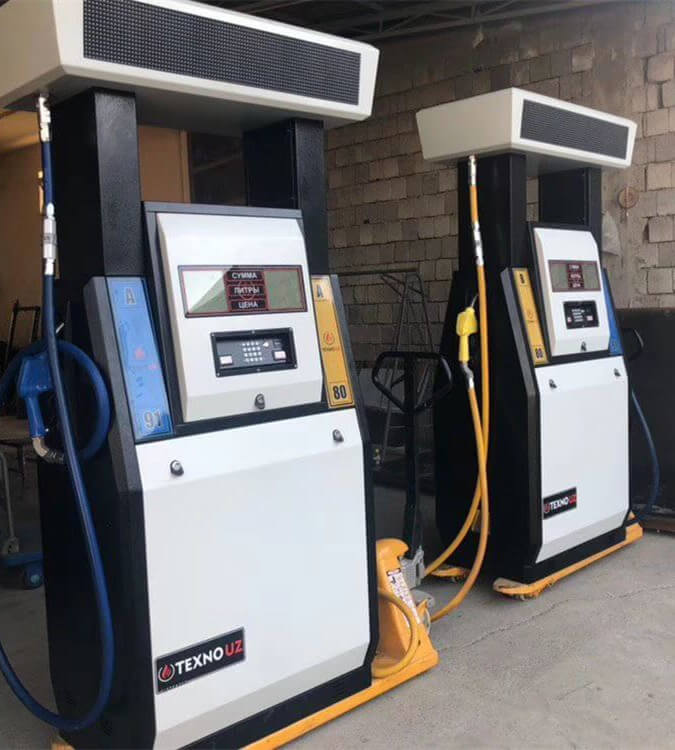
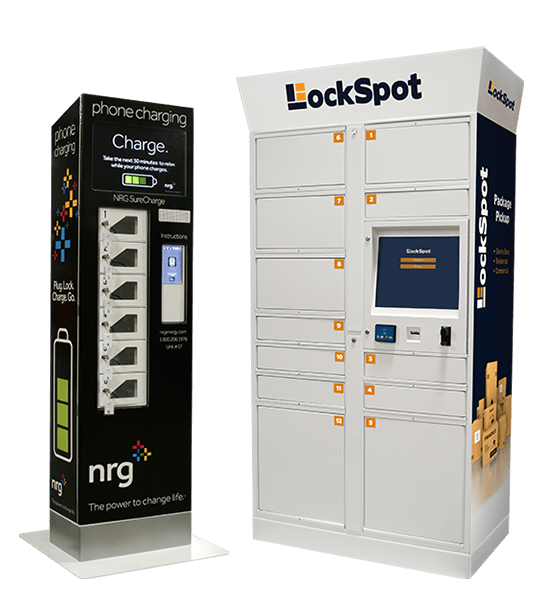
- Diseños numéricos para sistemas de control de acceso, máquinas expendedoras, taquillas para paquetería, surtidores de combustible y equipos de pago.
- Configuración personalizada de la matriz, asignación del controlador, teclas de acceso rápido y teclas de función específicas.
- Braille, símbolos en relieve, indicaciones multilingües y leyendas de teclas de alto contraste.
Material de la carcasa y acabado de la superficie
- Acero inoxidable, aluminio, acero laminado en frío u otra estructura metálica especificada.
- Acabados superficiales cepillados, pulidos, pintados, con recubrimiento en polvo, chapados o en colores personalizados.
- Dimensiones personalizadas del panel, espesor del metal, orificios de montaje, salidas de cables y soportes de montaje.
- Tratamiento anticorrosivo para entornos al aire libre, marinos, industriales o expuestos a productos químicos.
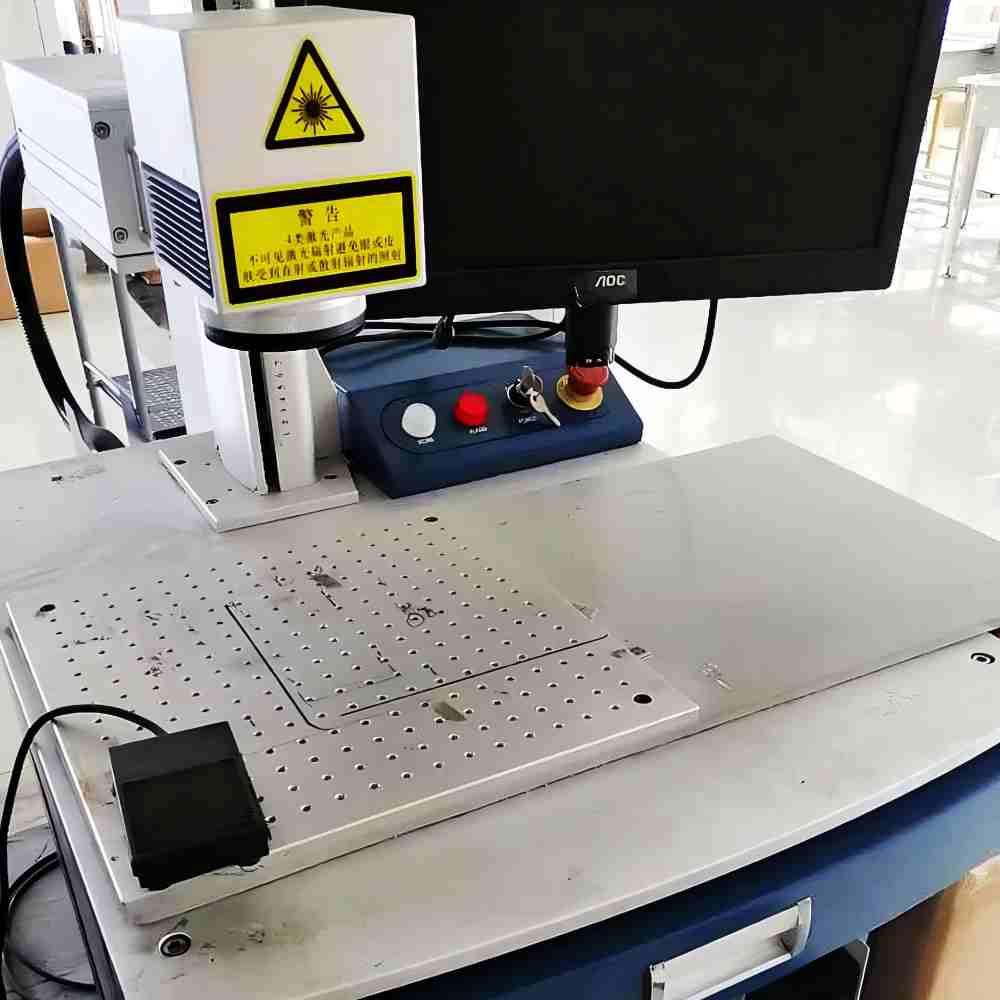
- Grabado con láser, serigrafía, láminas impresas, logotipos, números de serie y etiquetas de advertencia.
Tecnología de interruptores y sensación al pulsar las teclas
- Cúpula metálica, interruptor mecánico, caucho de silicona, membrana u otras soluciones de conmutación especificadas.
- Fuerza de accionamiento, recorrido de la tecla, respuesta táctil, nivel de sonido y comportamiento de retorno personalizados.
- Componentes de conmutación de larga duración seleccionados en función de la frecuencia de funcionamiento prevista.
- Opciones de teclas con LED o retroiluminadas para su uso en condiciones de poca luz y durante la noche.
- Estructuras de clave selladas diseñadas en función del nivel de protección requerido frente al polvo y la humedad.
Electrónica e interfaz de sistemas
- USB, PS/2, salida matricial, serie, conector personalizado o interfaz electrónica específica para la aplicación.
- Circuitos impresos a medida, controlador, lógica de firmware, mazo de cables, conectores y configuración de terminales.
- Trackball, panel táctil, botones del ratón, joystick, LED indicadores o dispositivos de control auxiliares.
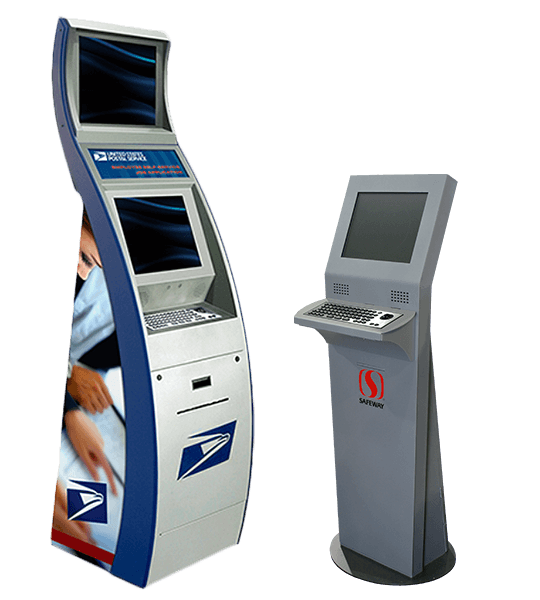
- Evaluación de compatibilidad para ordenadores industriales, quioscos, sistemas PLC, controladores integrados y terminales de autoservicio.
- Requisitos personalizados de tensión, señal, escaneo de teclas, antirfantasma y comunicación.
Montaje y configuración ambiental
- Instalación en la parte delantera, en la parte trasera, en panel, de sobremesa, integrada o en armario.
- Junta opcional, marco de sellado, cubierta trasera, soporte protector, parasol o carcasa exterior.
- IP65, IP67, NEMA u otro nivel de protección requerido que se haya tenido en cuenta durante el diseño.
- Requisitos específicos de cada aplicación en materia de vibraciones, impactos, temperatura, productos químicos y limpieza.
- Disponemos de prototipos, muestras de instalación, documentación de inspección y embalaje personalizado.
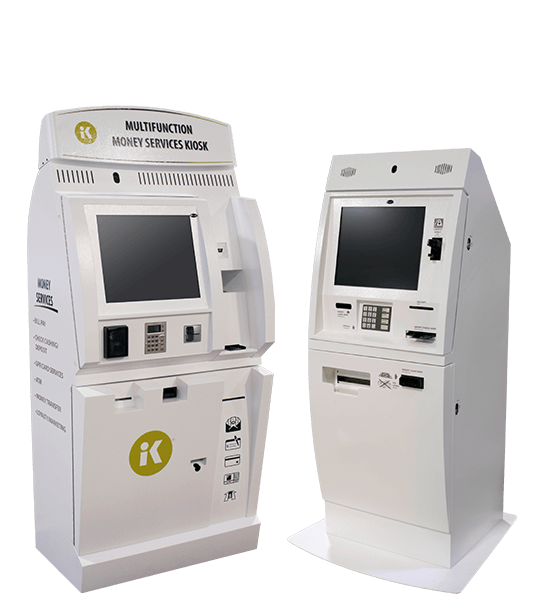
Aplicaciones Keypado

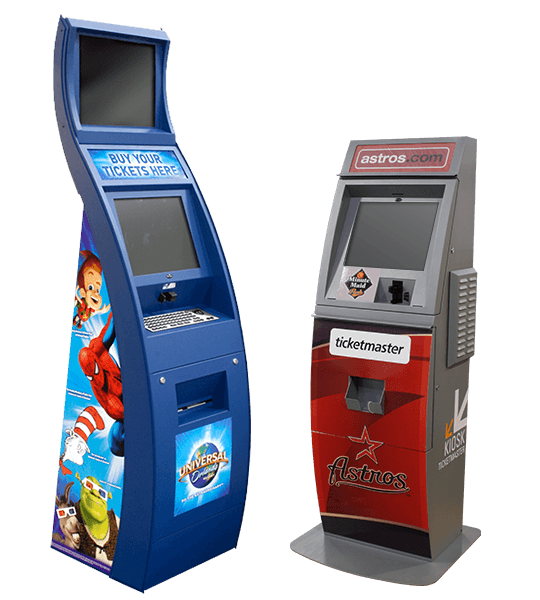
Por qué Keypado es su mejor opción
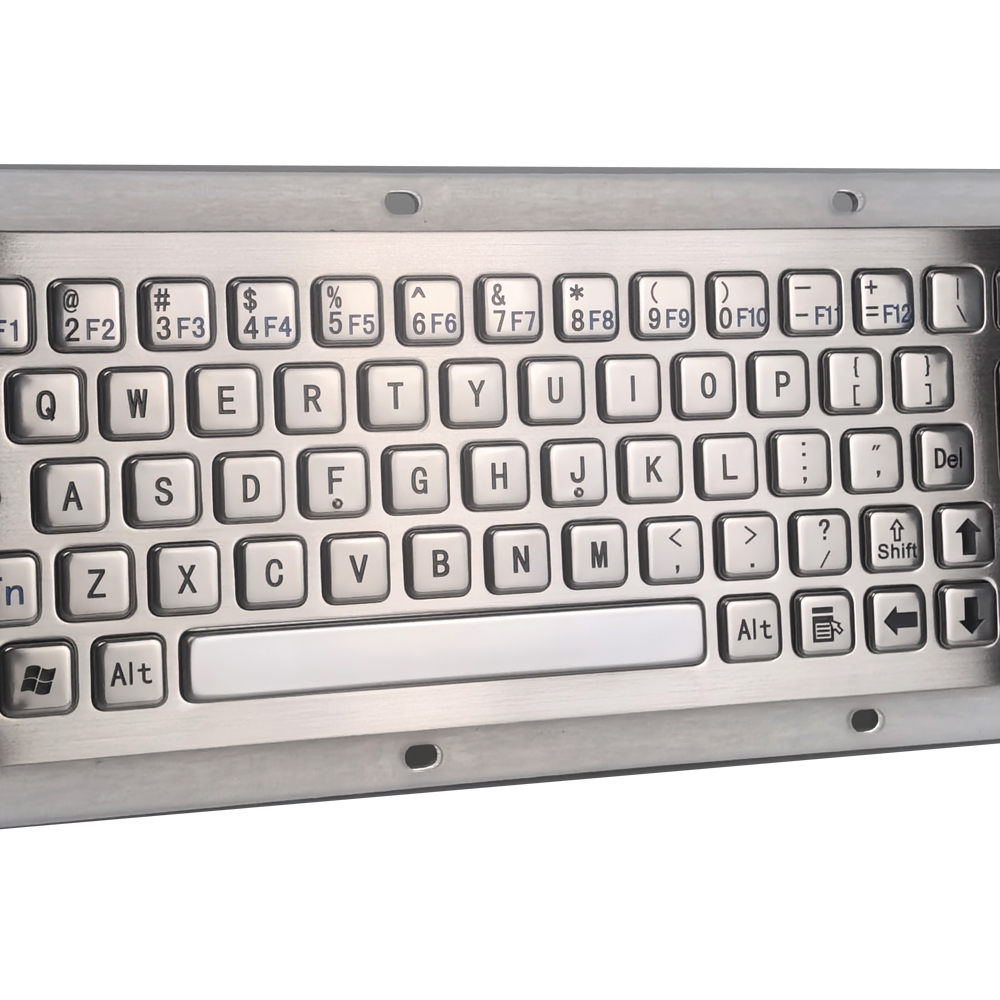
Teclados de acero inoxidable diseñados para entornos hostiles
Los teclados metálicos personalizados de Keypado utilizan acero inoxidable, aluminio, acero laminado en frío u otros materiales especificados para crear dispositivos de entrada duraderos destinados a aplicaciones industriales y públicas. Una placa frontal rígida, elementos de conmutación protegidos, un conjunto de placa de circuito impreso oculto, puntos de montaje reforzados y fijaciones a prueba de manipulaciones ayudan a reducir los daños causados por impactos, uso indebido, vibraciones y funcionamiento repetido. Las opciones de acabado pueden incluir acero inoxidable cepillado, pulido, recubrimiento en polvo, pintura, galvanizado y combinación de colores a medida. Las dimensiones del teclado, el número de teclas, los orificios de montaje, las salidas de cable, el estilo de las inscripciones y la estructura trasera se diseñan en función de su equipo y del espacio disponible para la instalación.
Interfaces de entrada selladas para la exposición al polvo y la humedad
Para terminales de exterior, equipos de fábrica, sistemas de control de acceso, máquinas expendedoras, taquillas para paquetería, surtidores de combustible y quioscos públicos, el teclado puede diseñarse con estructuras de teclas protegidas, juntas, conjuntos de placas de circuito impreso selladas e interfaces de panel controladas. Estas características ayudan a reducir el riesgo de que el polvo, los líquidos y los contaminantes lleguen a los componentes electrónicos internos. En función de la estructura y la aplicación, el diseño puede estar orientado a cumplir con los niveles de protección IP65, IP67, NEMA u otro nivel específico, sujeto a verificación final. Keypado también puede evaluar la exposición a vibraciones, los métodos de limpieza, los cambios de temperatura, la corrosión y la exposición a sustancias químicas antes de seleccionar la construcción definitiva.
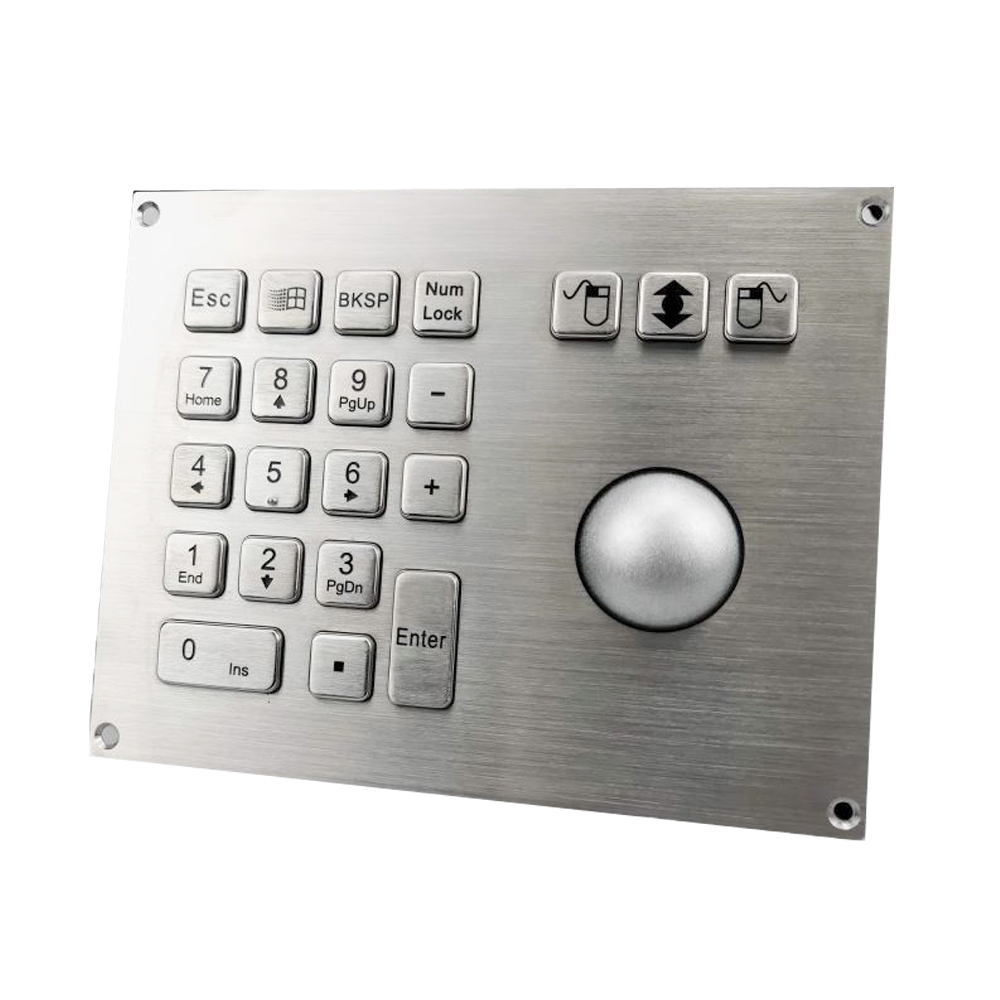
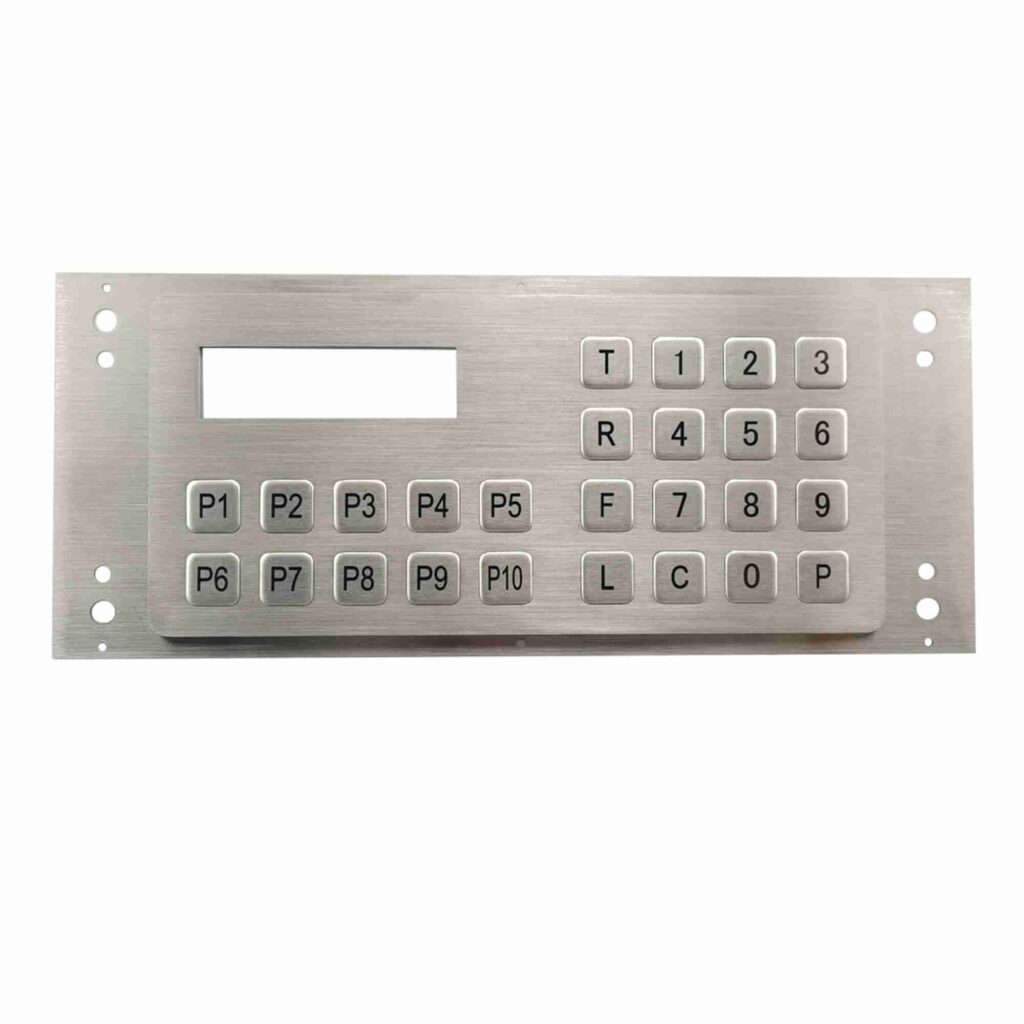
Sensación al pulsar las teclas, distribución e interfaz electrónica personalizadas
Cada aplicación requiere una experiencia de introducción de datos diferente. Keypado puede configurar diseños numéricos, QWERTY, de teclas de función, matriciales, en braille, de pago, de control de acceso y específicos para cada aplicación. Se pueden seleccionar tecnologías de conmutación de cúpula metálica, mecánica, de silicona, de membrana u otras, en función de la fuerza de accionamiento, el recorrido, la respuesta táctil, el nivel de sonido y el uso previsto. El teclado puede conectarse mediante USB, PS/2, matriz, serie, conectores personalizados o una placa de control dedicada. Se pueden revisar las funciones anti-ghosting, el escaneo de teclas, la lógica del firmware, el voltaje, la salida de señal y el cableado para garantizar la compatibilidad con el sistema.
Teclados retroiluminados con dispositivos de puntero integrados
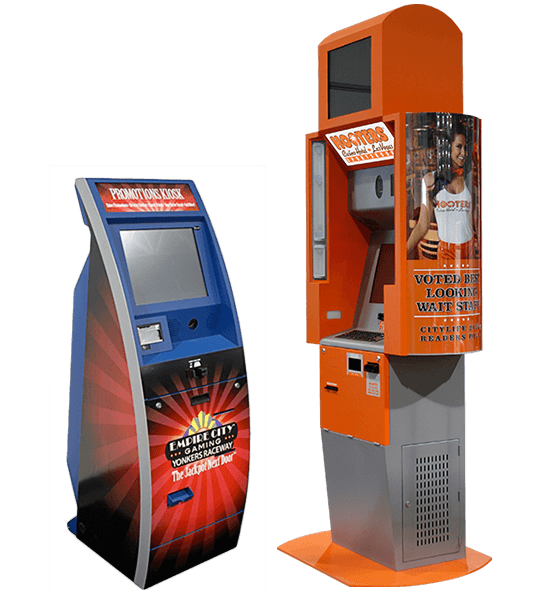
En el caso de terminales de autoservicio, ordenadores industriales, máquinas expendedoras de billetes, paneles de control e instalaciones con poca luz, el teclado puede incluir retroiluminación LED, indicadores de estado, trackballs, paneles táctiles, botones de ratón u otros dispositivos señaladores. El color de la retroiluminación, el brillo, el área de iluminación, el estilo de las leyendas y los requisitos de alimentación pueden personalizarse en función del sistema anfitrión. Un trackball o un panel táctil pueden permitir el control del cursor en aquellos casos en los que no resulte práctico utilizar un ratón independiente. Keypado puede integrar estos componentes en la placa frontal metálica, manteniendo al mismo tiempo las dimensiones de montaje requeridas, el recorrido de los cables, la estructura de sellado y las características de accesibilidad para el usuario.
De los requisitos de entrada a un teclado metálico listo para la producción
Keypado utiliza un proceso controlado de diseño y producción para garantizar que cada teclado se adapte a la interfaz del equipo, a las condiciones ambientales, a las necesidades del usuario y al sistema eléctrico.
1. Revisión de los requisitos de la aplicación y la interfaz
El proyecto comienza con un análisis del equipo anfitrión, la ubicación de la instalación, el espacio disponible, el flujo de trabajo del usuario, las operaciones clave previstas, la exposición ambiental y las condiciones de mantenimiento. Keypado confirma la disposición de teclas requerida, el idioma, los símbolos, el número de teclas, el método de montaje, el tipo de interfaz, la fuente de alimentación, la longitud del cable, el dispositivo señalador, la retroiluminación y el nivel de protección deseado. Antes de iniciar el diseño mecánico y eléctrico, se tienen en cuenta el polvo, la humedad, las vibraciones, los impactos, la temperatura, los productos químicos, los métodos de limpieza y las condiciones de uso público.
2. Distribución del teclado y diseño técnico
Los ingenieros preparan la placa frontal, la disposición de las teclas, las leyendas, la estructura de conmutación, la posición de la placa de circuito impreso, los orificios de montaje, la salida de cables, la cubierta trasera, la junta y los soportes internos. El diseño puede incluir un teclado completo, un teclado numérico compacto, un panel de funciones industrial, un teclado de control de acceso, una interfaz retroiluminada, un trackball o un panel táctil. Se documentan las dimensiones de las teclas, el espaciado, la fuerza de accionamiento, el recorrido de las teclas, la respuesta táctil, los materiales, el acabado superficial y la interfaz eléctrica. Antes de la producción del prototipo, se revisan los planos, los esquemas de cableado, los mapas de teclas y los recortados de instalación.
3. Desarrollo de prototipos y pruebas del sistema
Se puede fabricar un prototipo o una muestra de preproducción para evaluar el ajuste en la instalación, el funcionamiento de las teclas, la ergonomía para el usuario, la claridad de las etiquetas, la visibilidad de la retroiluminación, el rendimiento del dispositivo señalador, el tendido de los cables y la compatibilidad con el sistema anfitrión. Las pruebas eléctricas pueden incluir el reconocimiento de USB o de matriz, la lectura de teclas, la prevención de fantasmas, la estabilidad de la señal, la tensión de entrada, la conexión a tierra y la comunicación con el controlador. La verificación ambiental puede planificarse en función del objetivo de protección final. Los cambios de diseño se completan tras las pruebas de instalación del cliente y la aprobación de la muestra.
4. Fabricación de piezas metálicas, tratamiento de superficies y montaje
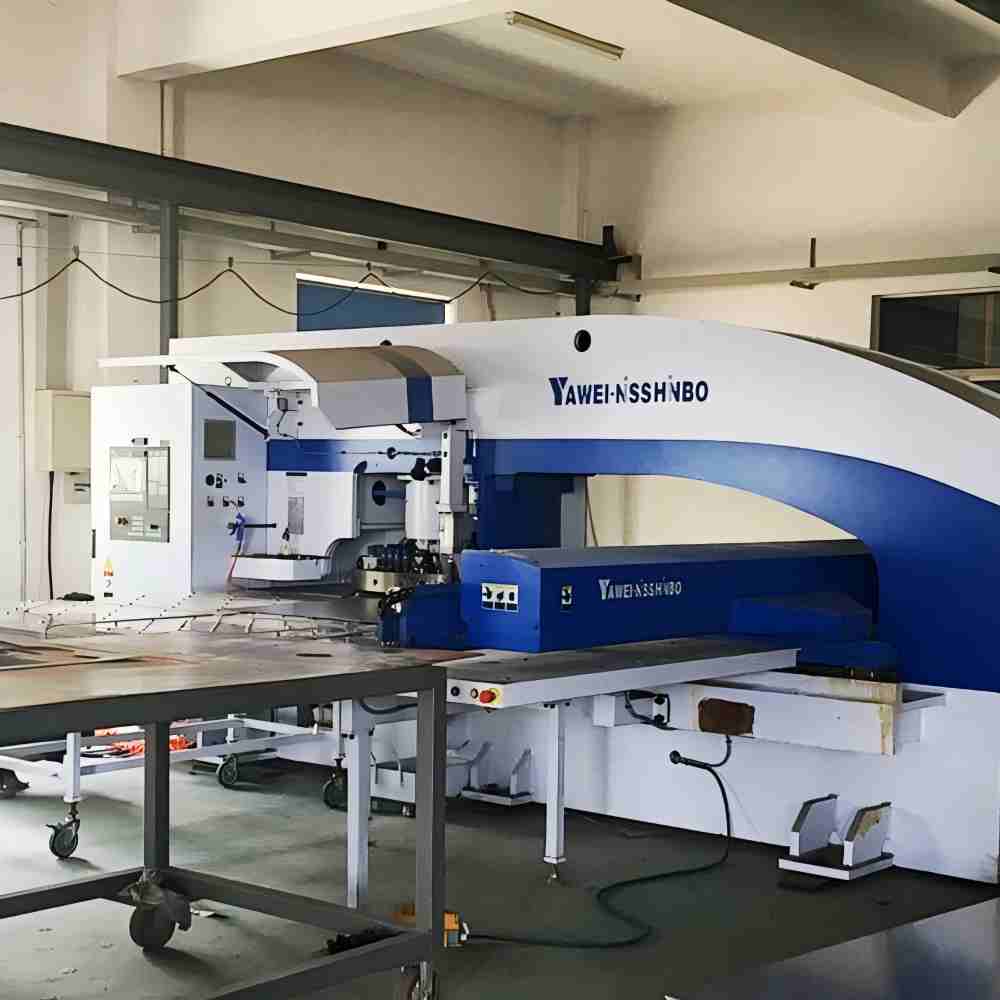
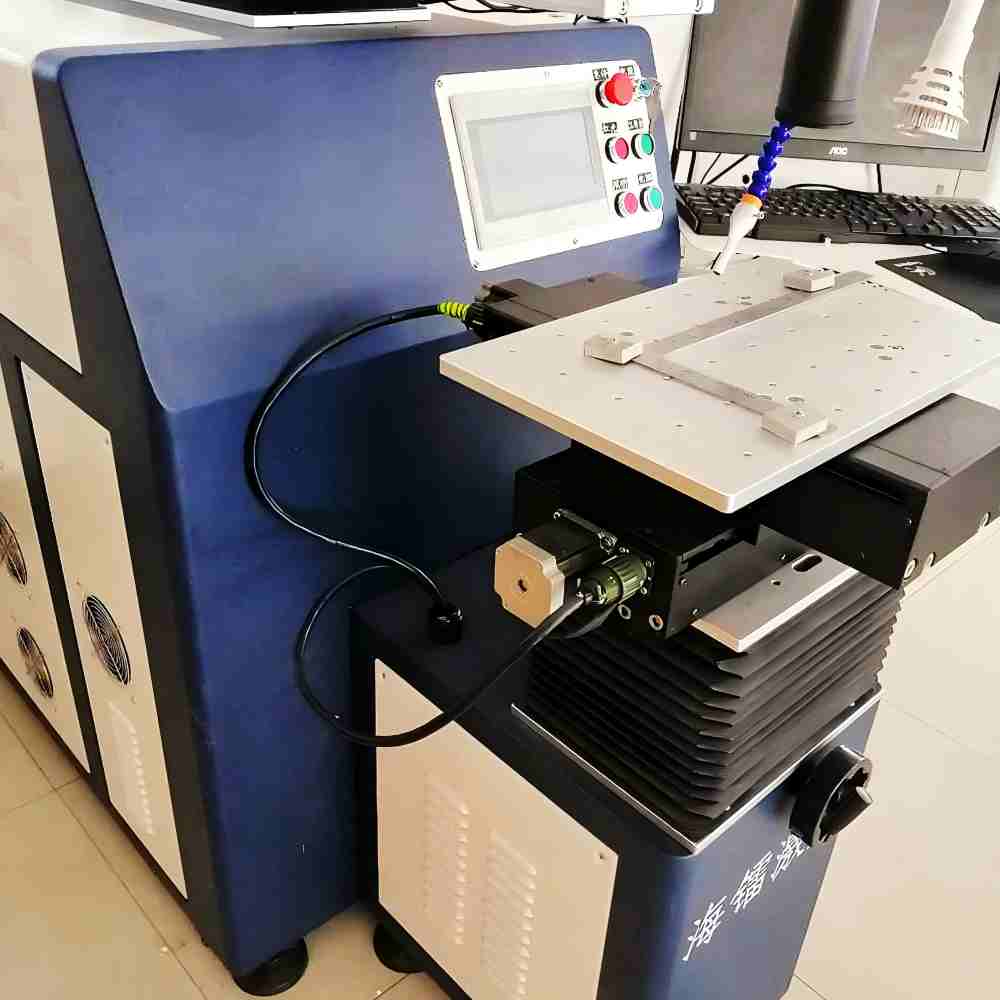
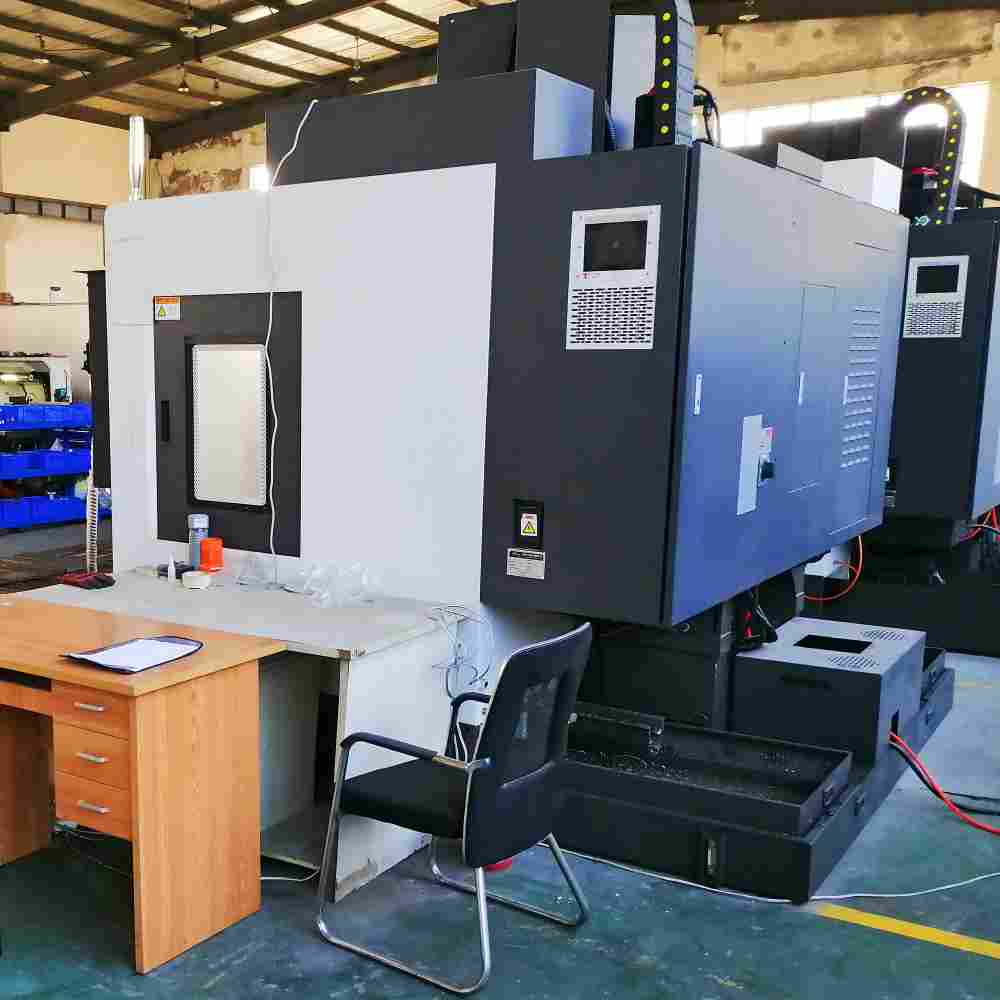
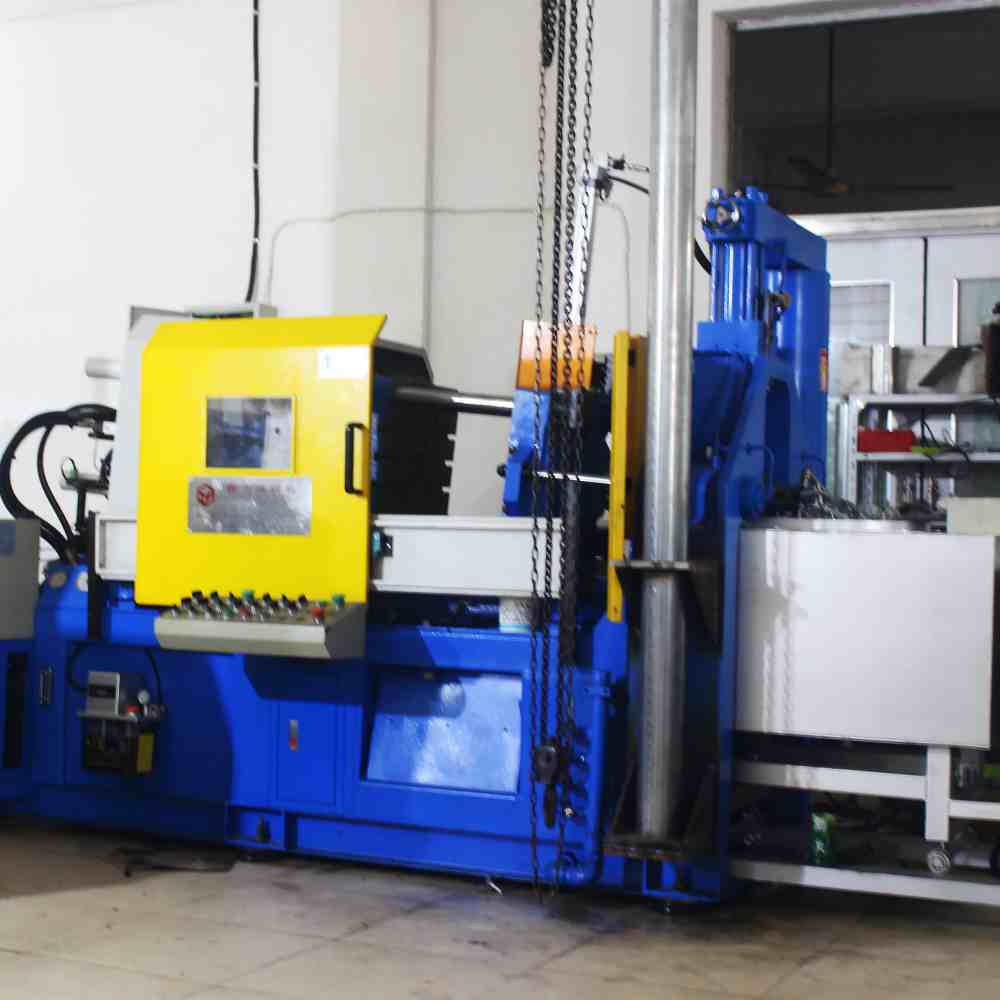
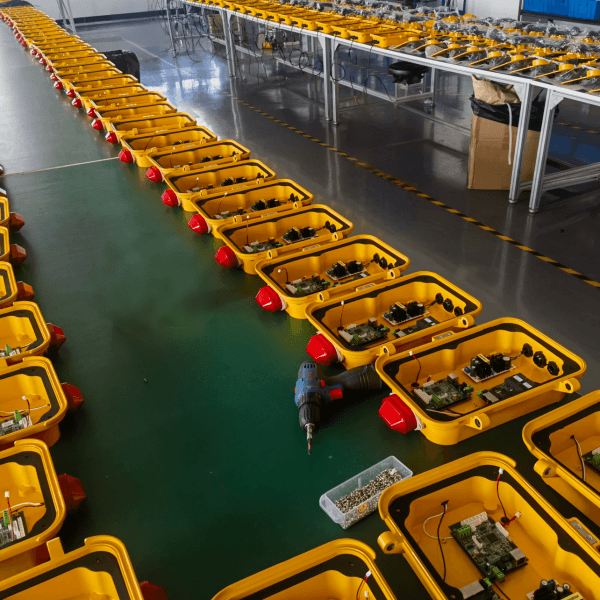
Las piezas metálicas homologadas se fabrican mediante corte por láser, estampado, mecanizado CNC, plegado, soldadura, taladrado, pulido, cepillado, desbarbado y preparación de superficies. A continuación, la placa frontal puede someterse a recubrimiento en polvo, pintura, galvanizado, marcado por láser, serigrafía u otros acabados especificados. Los componentes de conmutación, la placa de circuito impreso, el controlador, los LED, el trackball, el panel táctil, el mazo de cables, los conectores y la cubierta trasera se montan de acuerdo con los planos aprobados. La inspección se centra en la precisión de los orificios, la planitud, la alineación de las ranuras, la calidad de la superficie, la soldadura, el tendido de los cables y el ajuste de los componentes.
5. Inspección funcional y embalaje
Cada teclado terminado se somete a una inspección en la que se comprueban las dimensiones, las inscripciones de las teclas, el acabado de la superficie, la precisión de montaje, la respuesta de las teclas, la uniformidad de accionamiento, la salida eléctrica, el funcionamiento de la retroiluminación, el rendimiento del dispositivo señalador y el estado de los conectores. Cuando así se especifique, las pruebas también pueden incluir la verificación de la continuidad, el aislamiento, la conexión a tierra, las interfaces de sellado, la resistencia a las vibraciones o la protección frente a las condiciones ambientales. Keypado puede proporcionar mapas de teclas, planos de instalación, información sobre el cableado, registros de pruebas y embalajes personalizados. El embalaje está diseñado para proteger la placa frontal metálica, las teclas, la placa de circuito impreso, los cables y los accesorios durante el transporte.
Preguntas frecuentes
Un teclado metálico a medida es un dispositivo de entrada industrial diseñado en función de una interfaz de equipo, un entorno operativo, una distribución y un sistema eléctrico específicos. Puede incluir un teclado completo, un teclado numérico, teclas de función, marcas en braille, retroiluminación, un trackball, un panel táctil u otros controles personalizados.
Entre los materiales más habituales se encuentran el acero inoxidable, el aluminio, el acero laminado en frío y otras aleaciones metálicas especificadas. El material se selecciona en función de la resistencia al impacto, la exposición a la corrosión, el peso, el aspecto, el método de mecanizado, el acabado superficial y los requisitos de protección medioambiental.
Sí. Keypado puede trabajar a partir de planos del cliente, recortes de paneles, esquemas de orificios de montaje, mapas de teclas, diagramas de cableado y especificaciones de interfaz. Si no dispone de un diseño completo, Keypado puede ayudarle a desarrollar la estructura y la disposición de las entradas en función de los requisitos del equipo y de la aplicación.
Keypado puede desarrollar diseños completos de teclado QWERTY, alfanuméricos compactos, numéricos, con teclas de función, matriciales, en braille, de control de acceso, de pago y específicos para cada aplicación. El número de teclas, el tamaño de las mismas, el espaciado, las inscripciones, el idioma, los símbolos, la fuerza de pulsación y la secuencia de funcionamiento pueden revisarse durante el desarrollo del producto.
El teclado puede diseñarse con teclas selladas, juntas de estanqueidad, placas de circuito impreso protegidas, interfaces de panel controladas y salidas de cable selladas para mejorar la resistencia al polvo y a la humedad. Se puede considerar el cumplimiento de las normas IP65, IP67, NEMA u otros requisitos de protección en función del diseño final, pero la clasificación real debe verificarse mediante el método de ensayo acordado.
En función de la aplicación, Keypado puede evaluar tecnologías de conmutación como las de cúpula metálica, interruptor mecánico, caucho de silicona, membrana u otras. La elección influye en la fuerza de accionamiento, el recorrido de las teclas, la respuesta táctil, el ruido acústico, el rendimiento de estanqueidad, la vida útil y el comportamiento eléctrico.
Sí. La retroiluminación LED y las luces indicadoras pueden integrarse en el teclado para aplicaciones en condiciones de poca luz, nocturnas, industriales y en terminales públicos. El color de la retroiluminación, el brillo, el área de iluminación, el diseño de las leyendas, la tensión, la corriente y el método de control deben especificarse en función del equipo principal.
Sí. Keypado puede integrar un trackball, un panel táctil, botones de ratón, un joystick u otro dispositivo señalador en la estructura metálica del teclado. La interfaz, la ubicación de montaje, la protección mecánica, el tendido de cables y la compatibilidad con el sistema anfitrión deben confirmarse durante la fase de ingeniería.
Dependiendo del diseño, el teclado puede utilizar USB, PS/2, salida matricial, comunicación serie, conectores personalizados o una interfaz de controlador dedicada. Keypado puede analizar la tensión requerida, el formato de la señal, el método de escaneo de teclas, el comportamiento del firmware, los requisitos de antighosting y el mazo de cables antes de seleccionar la configuración electrónica.
Los teclados metálicos personalizados se utilizan habitualmente en sistemas de control de acceso, máquinas expendedoras, taquillas para paquetería, surtidores de combustible, máquinas expendedoras de billetes, quioscos públicos, maquinaria industrial, terminales de autoservicio, equipos médicos, sistemas de transporte, dispositivos de seguridad y terminales de información al aire libre. El teclado se puede personalizar en función del entorno operativo y de los requisitos de interacción del usuario.
Algunos datos interesantes
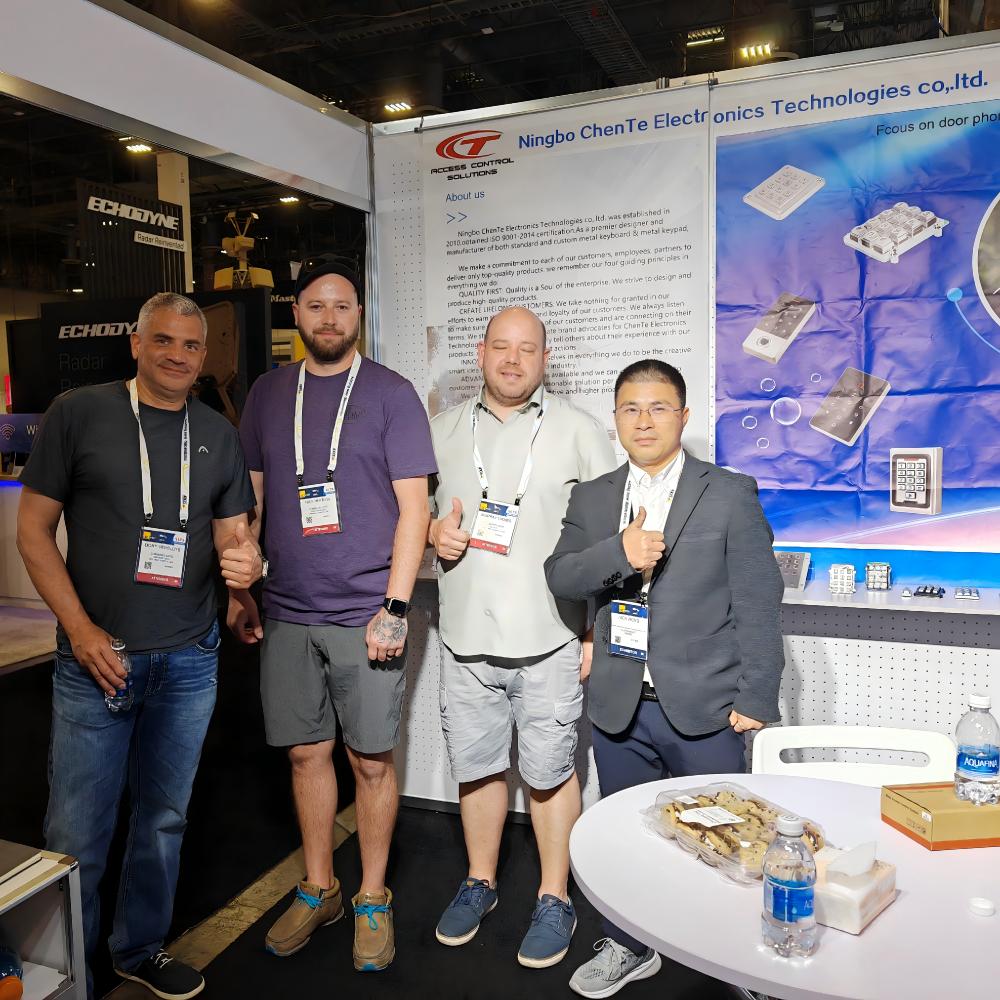
Colaboración con los socios mundiales en
 English
  Deutsch
  Français
  Polski
  Português do Brasil
  Español
  日本語
日本語  Русский
  العربية
  Italiano
  Nederlands
  Türkçe
  한국어
한국어