
Choosing the right metal keypad ensures secure, efficient industrial and access control systems. Focus on core features—functionality, durability, security, and fit—so you select a keypad that meets operational needs and environmental constraints.
Functionality
Functionality covers integration and adaptability. Prefer programmable keys, compatibility with existing systems, and custom layouts to match tasks and improve user experience.
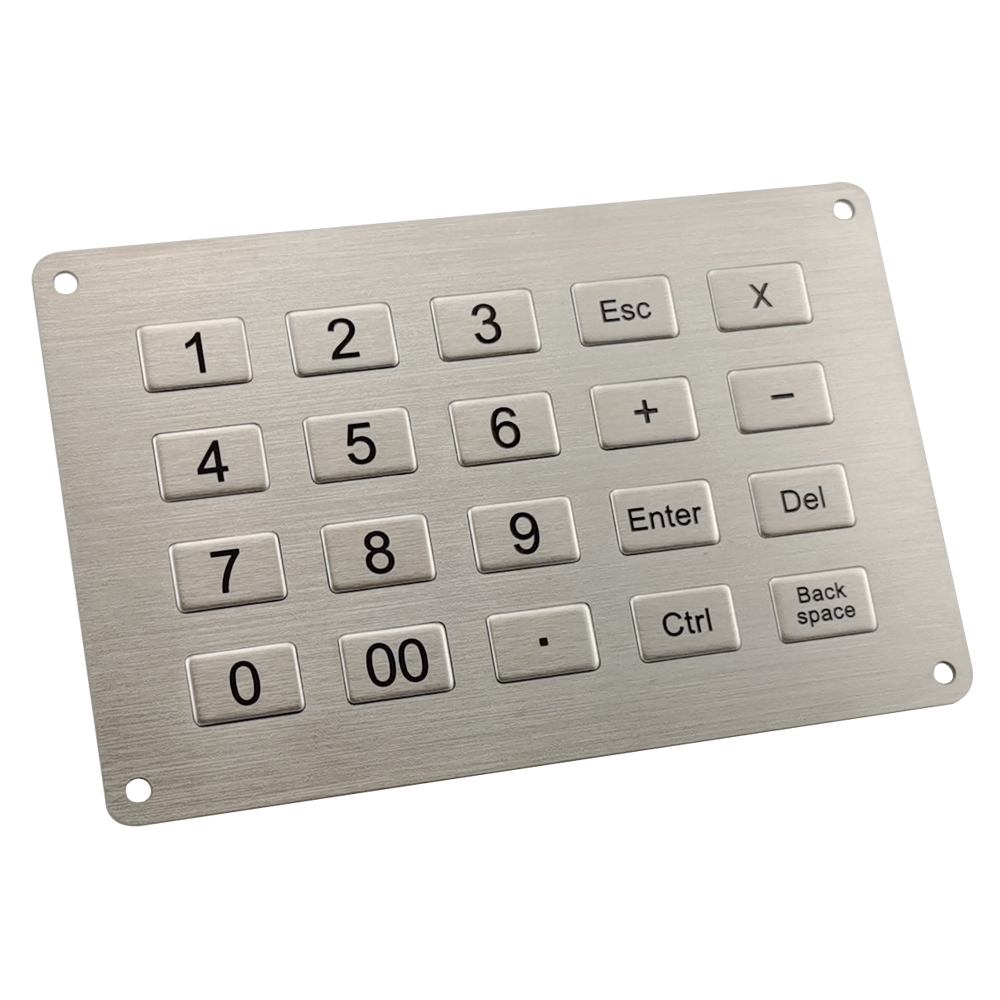
Get a Custom Metal Keypad Quote from Keypado
Durability
Durability is critical where keypads face harsh conditions.
- Materials: Stainless steel and zinc alloy are common for wear resistance.
- IP Ratings: Check ingress protection ratings to judge resistance to dust and moisture.
Your material choice directly affects lifespan and reliability.
What Makes a Metal Keypad Durable and Suitable for Harsh Environments?
Key durability features include corrosion resistance, impact protection, sealed mechanisms, and appropriate IP ratings for the intended environment.
This table highlights material and protection trade-offs for various applications.
Material Properties
Stainless steel gives top durability and corrosion resistance; zinc alloy offers lower cost with reasonable strength if treated properly.
Resistance to Elements
IP65+ ratings indicate strong dust and water protection; choose the rating that matches usage (e.g., IP67 for immersion resistance).
Durability Features
Impact-resistant designs and sealed switches extend service life. Vandal-proof keyboards are suitable where abuse or tampering is likely.
Maintenance Requirements
Low-maintenance finishes and easy-clean surfaces reduce downtime and support hygiene-sensitive environments.
Customization Options
Adjustable backlighting and tailored key layouts improve usability and reduce input errors in task-specific installations.
Security Features
Security elements are vital for access control—look for vandal resistance, durable key markings, and tamper-resistant mounting to maintain functionality and legibility over time.
Suitability for Applications
Match the keypad to its installation type: outdoor models need higher IP ratings and UV resistance; indoor or kiosk units can prioritise ergonomics and custom layouts.
- Indoor vs. Outdoor: Choose protection and materials that fit the environment.
- Kiosk Systems: Prioritise user-friendly layouts and robust feedback for heavy public use.
How Do Stainless Steel and Other Materials Impact Keypad Longevity?
Material choice determines corrosion resistance and expected lifespan—select stainless steel for harsher or sanitary settings and treated zinc alloy where cost matters.
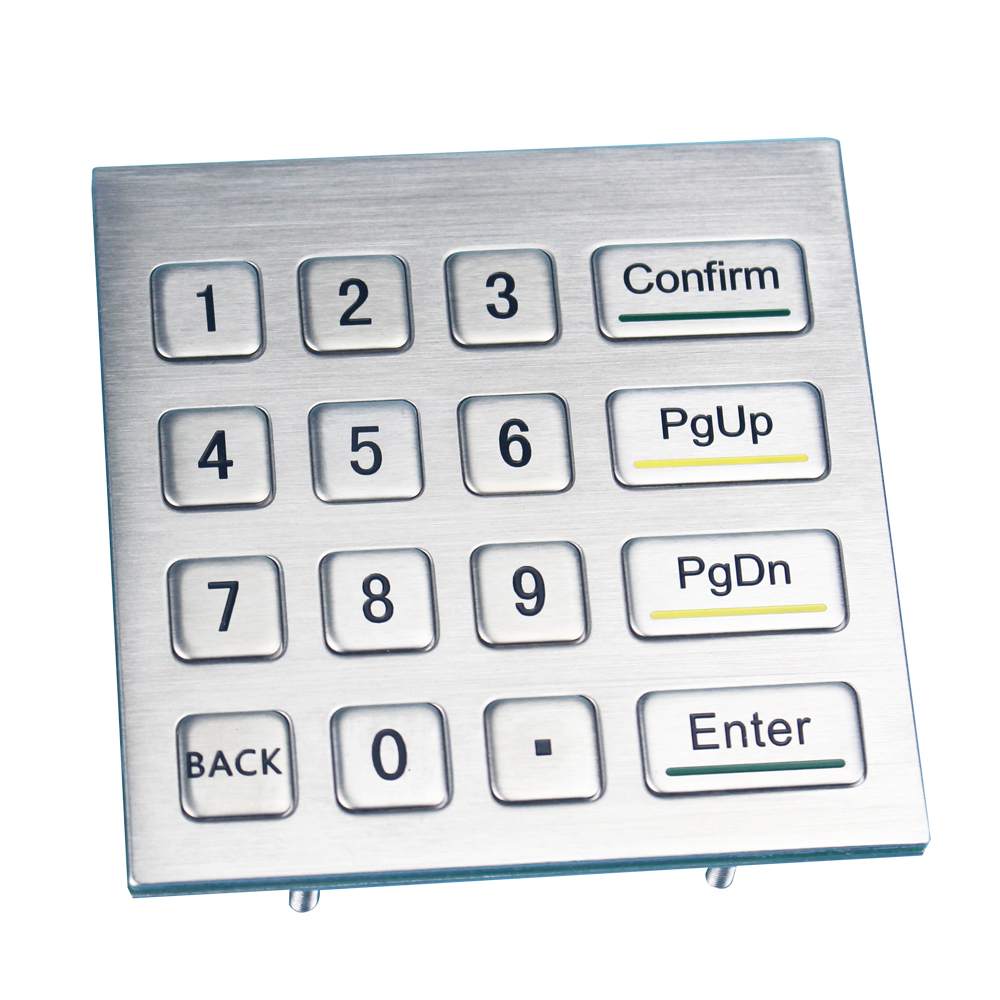
Get a Custom Metal Keypad Quote from Keypado
Why Is Waterproofing and IP Rating Essential for Rugged Metal Keypads?
Waterproofing and appropriate IP ratings protect against dust, water ingress, and spills, reducing failures and lowering lifecycle costs.
Which Metal Keypad Features Are Critical for Industrial and Access Control Applications?
- Vandal Resistance: Protects public access points.
- Secure Marking Methods: Keeps labels legible under wear.
- High Durability: Ensures materials withstand repeated use.
These baseline features support reliable long-term operation.
How Does Vandal Resistance Improve Security and Reliability?
Tamper-proof screws, reinforced casings, and concealed fasteners deter damage and extend service life, helping maintain secure access points.
What Role Does Tactile Feedback Play in User Experience?
Clear tactile feedback confirms input, reduces errors, and speeds operation in busy or noisy environments.
How Do Environmental Factors Influence Your Metal Keypad Choice?
Account for temperature ranges, humidity, and corrosive exposure when choosing materials and seals to preserve function and lifetime.
Which Weather Conditions Should Your Keypad Tolerate?
Outdoor keypads should resist rain, extreme temperatures, and UV exposure to avoid moisture ingress, thermal damage, or material degradation.
- Rain: Prevent moisture penetration.
- Extreme Temperatures: Avoid freezing or overheating damage.
- UV Exposure: Use UV-stable materials to prevent fading and breakdown.
How to Assess Keypad Suitability for Specific OEM or Kiosk Installations?
Check compatibility with existing systems, confirm durability for expected usage rates, and validate installation and serviceability requirements before selecting a model.
- Compatibility: Ensure seamless integration.
- Durability: Verify performance under expected use.
What Customization Options Help Tailor Metal Keypads to Your Needs?
Custom layouts, backlighting, and bespoke markings align keypads with workflows and improve operator efficiency in specialised applications.
How Do Backlighting and Key Layout Customize Usability?
Backlighting aids low-light use; custom key layouts speed common tasks and reduce training time.
When Should You Consider Custom Metal Keypads from Trusted Suppliers?
Opt for custom keypads when standard models fail to meet unique operational needs. Reputable suppliers offer warranties, support, and quality that enhance long-term reliability.
- Unique Use Cases: Tailored solutions for specialised workflows.
- Quality Assurance: Supplier guarantees and support.
- Long-term Reliability: Better materials and construction for extended service.
Working with trusted suppliers helps secure a durable, fit-for-purpose solution.
Keypado builds metal keypads for industrial, access control, kiosks, and vending applications that demand durability. For customization and specification help, Contact us today to discuss requirements.
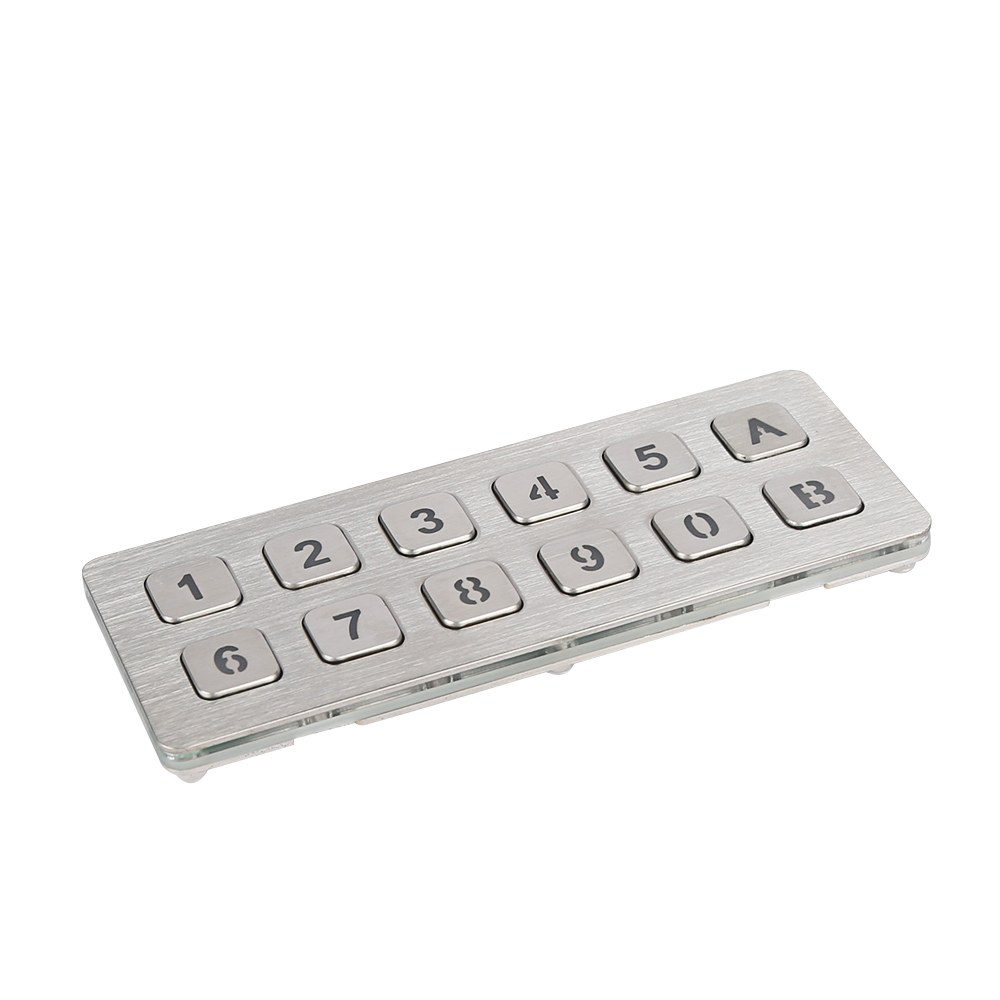
Get a Custom Metal Keypad Quote from Keypado
Frequently Asked Questions
What are the common challenges in selecting a metal keypad?
Typical challenges are ensuring system compatibility, choosing durability levels appropriate to the environment, and balancing security, usability, and maintenance needs.
How can I enhance the security features of my metal keypad?
Use tamper-proof fasteners, reinforced housings, durable markings, and integrate the keypad into a managed access-control system with regular audits.
Are there specific standards for waterproof metal keypads?
Yes. IP (Ingress Protection) ratings indicate dust and moisture resistance—choose the rating (e.g., IP67) that suits immersion or spill risks.
How important is user feedback in keypad design?
User feedback helps refine tactile response, key placement, and serviceability, resulting in more efficient, ergonomic designs.
What maintenance practices should I follow for long-lasting keypads?
Clean with non-abrasive methods, inspect seals and hardware regularly, and repair damage promptly to prevent moisture ingress and wear.
Can I customize the keypad’s features based on my operational needs?
Yes. Work with manufacturers to adapt layouts, markings, and backlighting to your workflows.
What role does tactile feedback play in user interaction with keypads?
Tactile feedback confirms presses, reduces errors, and improves speed in high-volume or stress-prone environments.
Conclusion
The right metal keypad balances functionality, durability, and security for your application. Use this guide to prioritise features and environmental protections, and consult suppliers to specify the best fit for long-term performance.
 English
  Deutsch
  Français
  Polski
  Português do Brasil
  Español
  日本語
日本語  Русский
  العربية
  Italiano
  Nederlands
  Türkçe
  한국어
한국어