
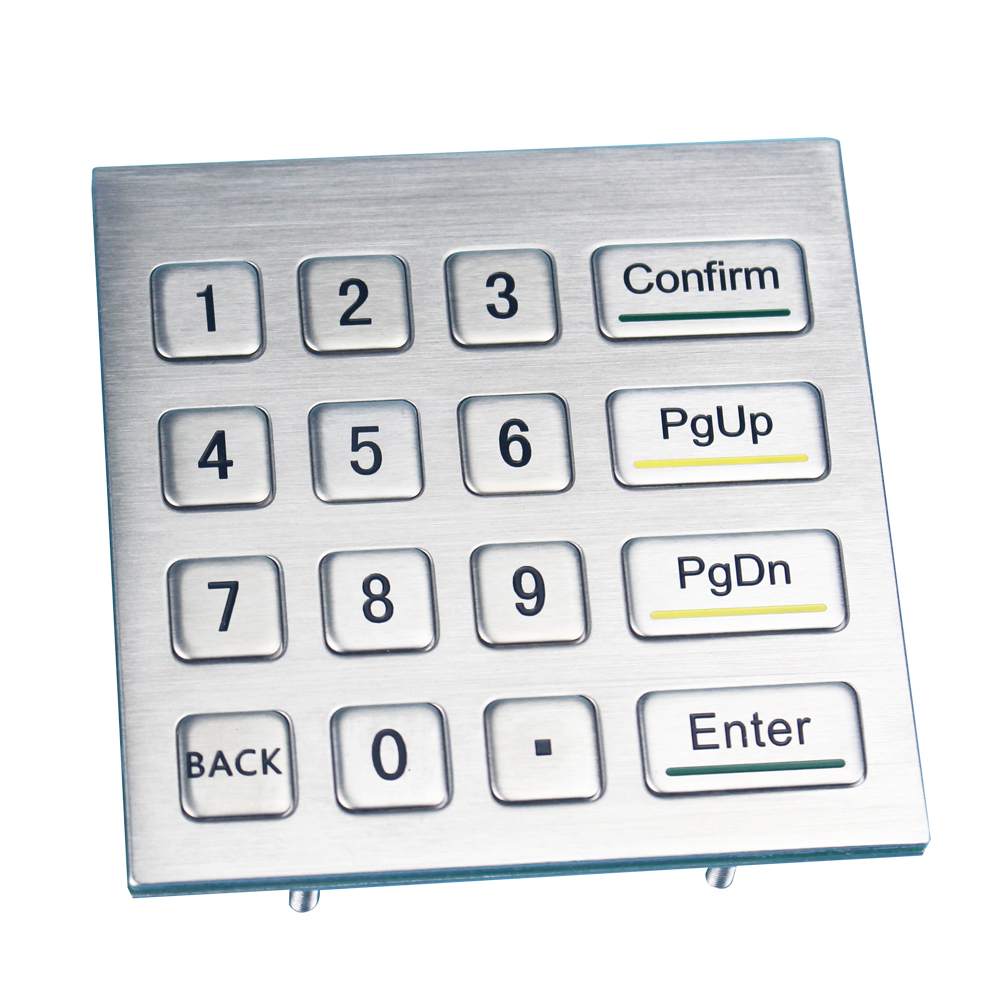
When it comes to chemical-resistant metal keypad, metal keypads built from 304 or 316L stainless steel deliver strong chemical resistance, making them reliable where rubber and plastic keypads fail rapidly. The passive oxide layer on stainless steel repels corrosive agents, cleaning chemicals, and industrial fluids. This construction suits food processing, medical, marine, and harsh industrial environments requiring long-term operational stability.
Key Takeaways
Metal keypads use 304 or 316L stainless steel for superior chemical resistance and durability.
Chemical resistant keypads outperform standard rubber and plastic keypads in industrial environments significantly.
Metal keypads resist corrosion, vandalism, and maintain consistent operation in harsh processing conditions.
Keypado, located in Yuyao, Zhejiang, manufactures chemical resistant metal keypads for global markets.
Why Do Metal Keypads Resist Chemicals So Well?
Chemical-resistant metal keypads owe their durability to two built-in defenses: a stable metallic alloy structure and a natural chromium oxide passive layer that forms on the surface. These two properties work together to block chemical attack before erosion can begin.
Get a Custom Metal Keypad Quote From Keypado
What exactly is the chromium oxide passive layer?
The chromium oxide passive layer is a microscopic, self-forming shield that develops naturally on stainless steel alloys. Think of it as the metal’s own armor. Invisible to the naked eye but highly effective at blocking chemical penetration. This layer resists erosion from a wide range of substances, including alcohol, detergents, dilute acids, alkalis, industrial oils, and salt spray. That covers most of the aggressive agents found in food processing plants, marine environments, and industrial control settings.
How do metal keypads compare to silicone keypads in chemical environments?
Silicone keypads degrade after repeated chemical disinfection. The surface breaks down, keys become sticky or discolored, and input reliability drops. Sealed metal keypads avoid surface degradation entirely, even under frequent cleaning cycles. The difference matters most in medical and food-grade environments where disinfection is a daily routine, not an occasional task.
Here’s a quick side-by-side look:
The bottom line is straightforward. Metal keypads resist chemicals because the material itself is engineered to do so. No coatings to peel, no membranes to swell, no surface to compromise under pressure.
Which Materials Make a Keypad Truly Chemical-Resistant?
Chemical-resistant metal keypads earn their durability from the alloy chosen at the manufacturing stage. Two materials dominate the field: stainless steel grades 304 and 316L, and zinc alloy — each bringing a distinct set of protective properties to demanding environments.
Why Does Stainless Steel Grade Matter?
Not all stainless steel performs equally under chemical exposure. Grade 304 stainless steel handles a broad range of industrial cleaning agents and mild corrosives well. Grade 316L goes further — its molybdenum content makes it the stronger choice for marine environments, food processing lines. Anywhere harsh chemicals are routine. Both grades form a natural chromium oxide passive layer that actively resists chemical attack, delivering long-term operational stability even under repeated exposure.
How Do Zinc Alloys Fit Into the Picture?
Zinc alloy fills a different role. Where stainless steel prioritizes corrosion resistance, zinc alloy brings structural strength and impact resistance to the table. That combination matters in high-traffic deployments — think kiosks, lockers. Access control panels — where keypads absorb physical punishment alongside environmental stress. Impact-resistant materials extend service life under heavy use, reducing replacement cycles and keeping equipment running longer.
Here’s a quick comparison of the two primary materials:
Keypado manufactures rugged metal keypads in both stainless steel and zinc alloy, giving OEM clients the flexibility to match material choice to the specific demands of their equipment and operating environment.
What Environments Demand a Chemical-Resistant Metal Keypad?
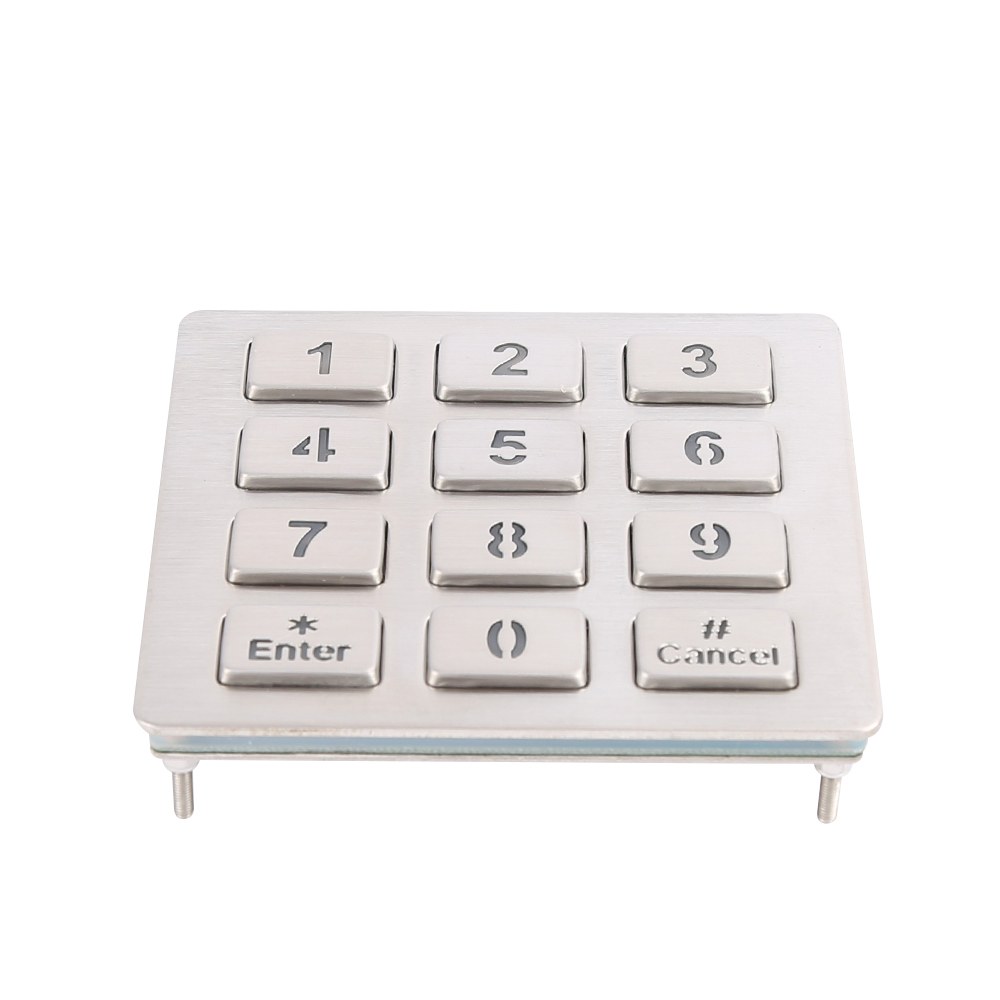
Chemical-resistant metal keypads are the go-to durable input solution for industrial, medical, food processing, and marine environments. Standard rubber and plastic keypads fail rapidly in these settings — metal construction holds up where softer materials simply can’t.
Get a Custom Metal Keypad Quote From Keypado
The range of demanding environments is broader than most OEM engineers expect:
Industrial facilities — exposure to solvents, oils, and cleaning agents degrades plastic keypads fast
Food processing plants — frequent washdowns with harsh sanitizers require surfaces that won’t crack or absorb contaminants
Medical environments — disinfectant chemicals are applied repeatedly, making chemical tolerance non-negotiable
Marine applications — saltwater corrosion destroys unprotected input devices within months
Outdoor installations — vandalism, UV exposure, and weather demand robust, vandal-resistant construction
Keypado supplies rugged metal input devices across access control systems, lockers, vending machines, fuel dispensers, ticketing terminals, self-service kiosks. Industrial control panels — all environments where consistent operation under stress is the baseline requirement, not a bonus.
Why Do Plastic Keypads Fail in These Conditions?
Plastic and rubber keypads absorb chemicals, swell, crack, and lose tactile feedback under repeated exposure to solvents or sanitizers. Metal keypads resist these effects because the alloy structure. Natural passive layer on the surface block chemical penetration at the material level.
What Makes an Environment “Demanding” Enough to Need Metal?
Any environment combining heavy use, chemical exposure, or outdoor access qualifies. Metal keypads engineered for vandal resistance. Consistent operation handle the physical abuse of high-traffic public terminals just as effectively as they handle the chemical stress of a processing plant floor.
How Does IP Rating Reinforce Chemical Resistance?
An IP rating does more than keep water out. IP65+ sealing physically blocks chemical contaminants from reaching the internal components of a chemical-resistant metal keypad. When liquid chemicals, cleaning agents. Airborne particulates cannot penetrate the enclosure, the electronics inside stay protected far longer than any surface coating alone could achieve.
Why Does Sealing Matter as Much as the Metal Itself?
The outer shell of a metal keypad handles surface exposure well. But without a proper IP rating, gaps around buttons and connectors become entry points for corrosive fluids. Keypado’s metal keypads carry IP65+ certification, meaning dust ingress is completely prevented. Water jets from any direction are blocked. And that same sealed barrier stops chemical contaminants from working their way inside.
What Role Does Keypad Technology Play in Chemical Protection?
Not all keypad technologies seal equally well. Here’s a quick comparison:
Piezo keypads stand out because fully sealed construction with no moving parts eliminates every gap where chemicals could enter. Keypado builds vandal-resistant, IP-rated devices across all three technologies, with flexible layouts, engraving, backlighting. Mounting options to match specific deployment needs.
The bottom line is straightforward. IP rating and material choice work together — one without the other leaves a weak point. OEMs deploying equipment in chemical-heavy environments get the most reliable protection when both factors are addressed from the start.
How Can Keypado Help You Source the Right Keypad?
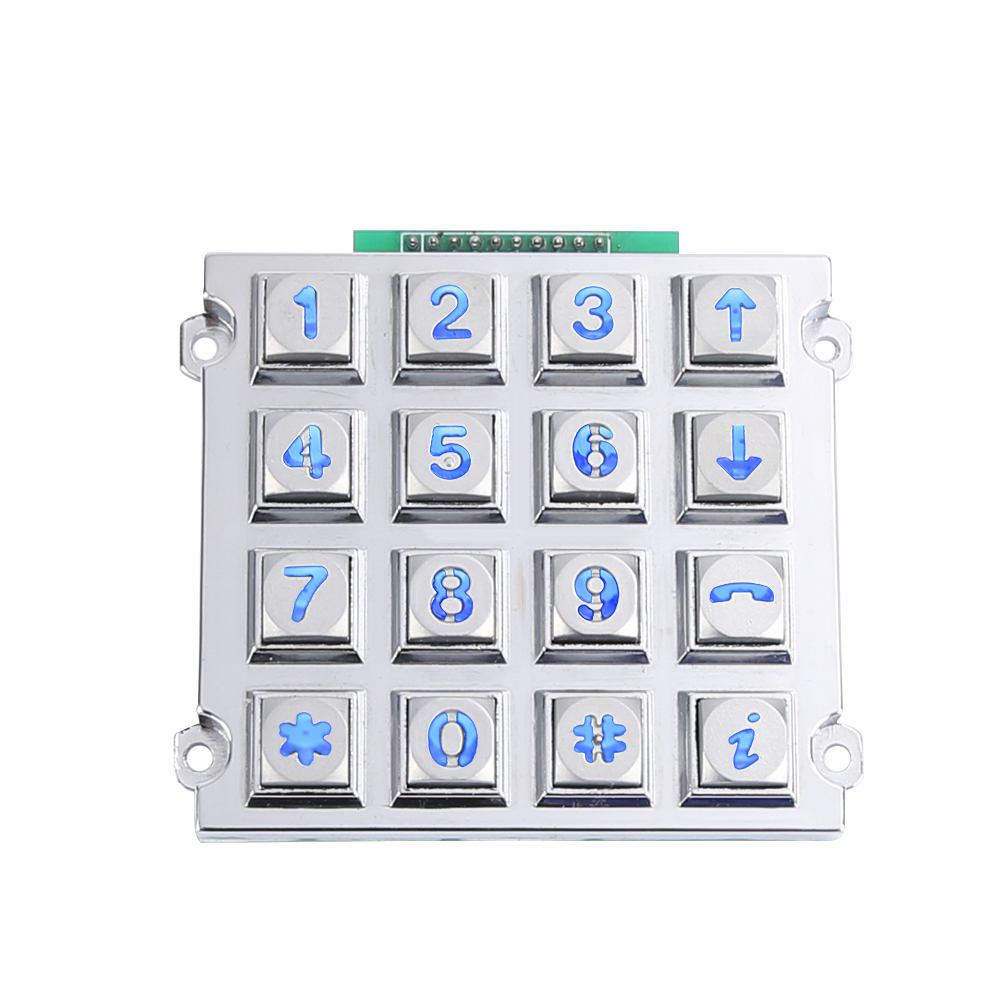
Keypado gives OEM engineers a direct path from concept to certified hardware — no middlemen, no markup. Factory-direct engineering support, including free CAD review and full customization, cuts development time. Strengthens field reliability for every chemical-resistant metal keypad project.
Get a Custom Metal Keypad Quote From Keypado
What Does Factory-Direct Support Actually Mean for OEM Clients?
Keypado’s engineering team works alongside OEM clients from the earliest design stage. Free CAD review means problems get caught before tooling costs pile up. Customization — layouts, interfaces, engraving, backlighting — happens at the source. Clients receive exactly what their equipment needs without paying an intermediary to relay the request.
How Quickly Can OEM Clients Get a Sample?
Speed matters when a product launch is on the line. Keypado supports pilot runs with low minimum order quantities and a fast 7-day sample turnaround. Engineering teams can test real hardware early and iterate without long waits. Short lead times on production runs keep project schedules intact.
Here’s a quick look at what Keypado brings to the sourcing process:
Keypado’s track record spans more than 200 clients across over 30 countries. ISO9001 certification and batch inspection reports give procurement teams the documented evidence they need to approve a supplier with confidence.
So here’s the bottom line: metal keypads deliver the chemical resistance your equipment needs to thrive in harsh environments. Whether you’re dealing with solvents, cleaners. Corrosive substances, the right material selection and protective coatings keep your input device working reliably year after year. That’s the kind of durability that turns a keypad from a potential weak link into a trusted component you can count on.
FAQ
What gives metal keypads their chemical resistance?
A natural chromium oxide passive layer forms on the stainless steel surface, blocking penetration from alcohol, detergents, dilute acids, alkalis, industrial oils, and salt spray.
How do metal keypads hold up against repeated disinfection cycles?
Sealed metal keypads avoid surface degradation entirely, even under frequent cleaning cycles, unlike silicone keypads. Break down, become sticky, and lose input reliability over time.
Which stainless steel grade offers stronger protection in harsh chemical environments?
Grade 316L outperforms 304 in marine environments. Food processing lines because its molybdenum content delivers stronger resistance where harsh chemicals are routine.
 English
  Deutsch
  Français
  Polski
  Português do Brasil
  Español
  日本語
日本語  Русский
  العربية
  Italiano
  Nederlands
  Türkçe
  한국어
한국어