
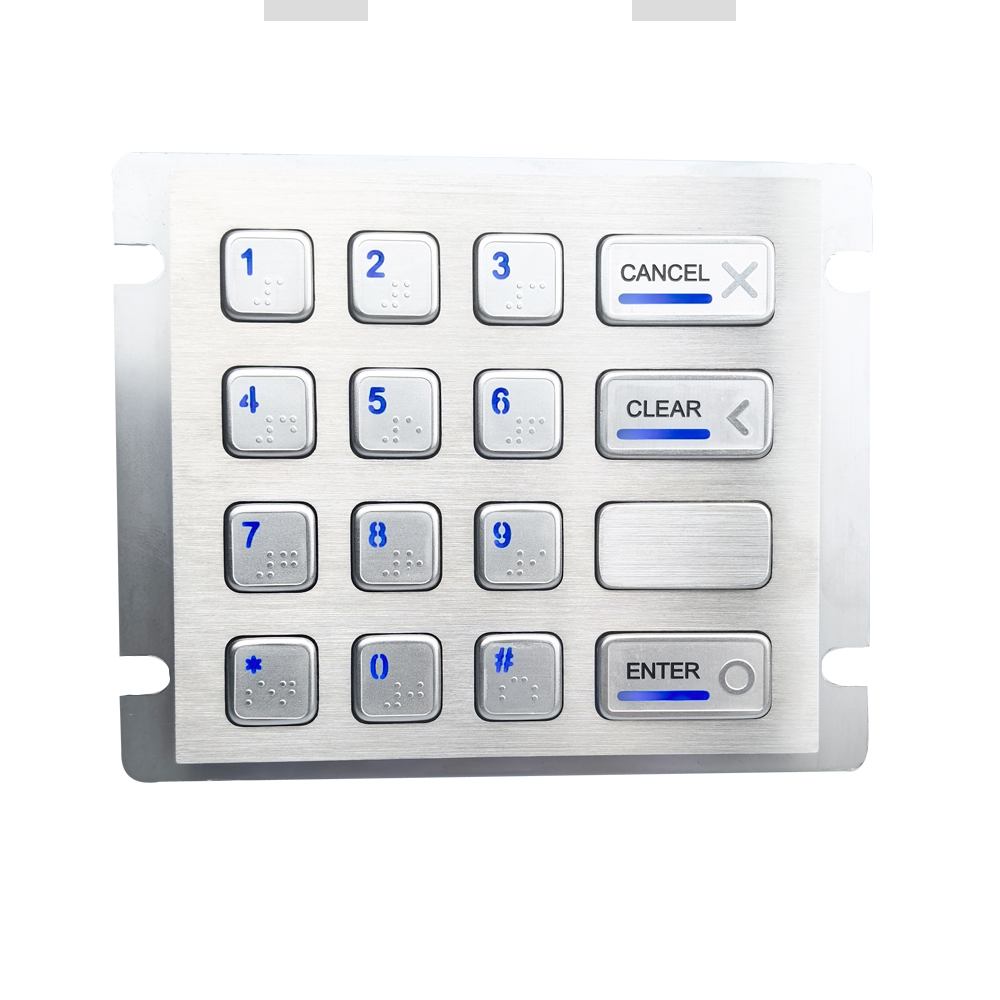
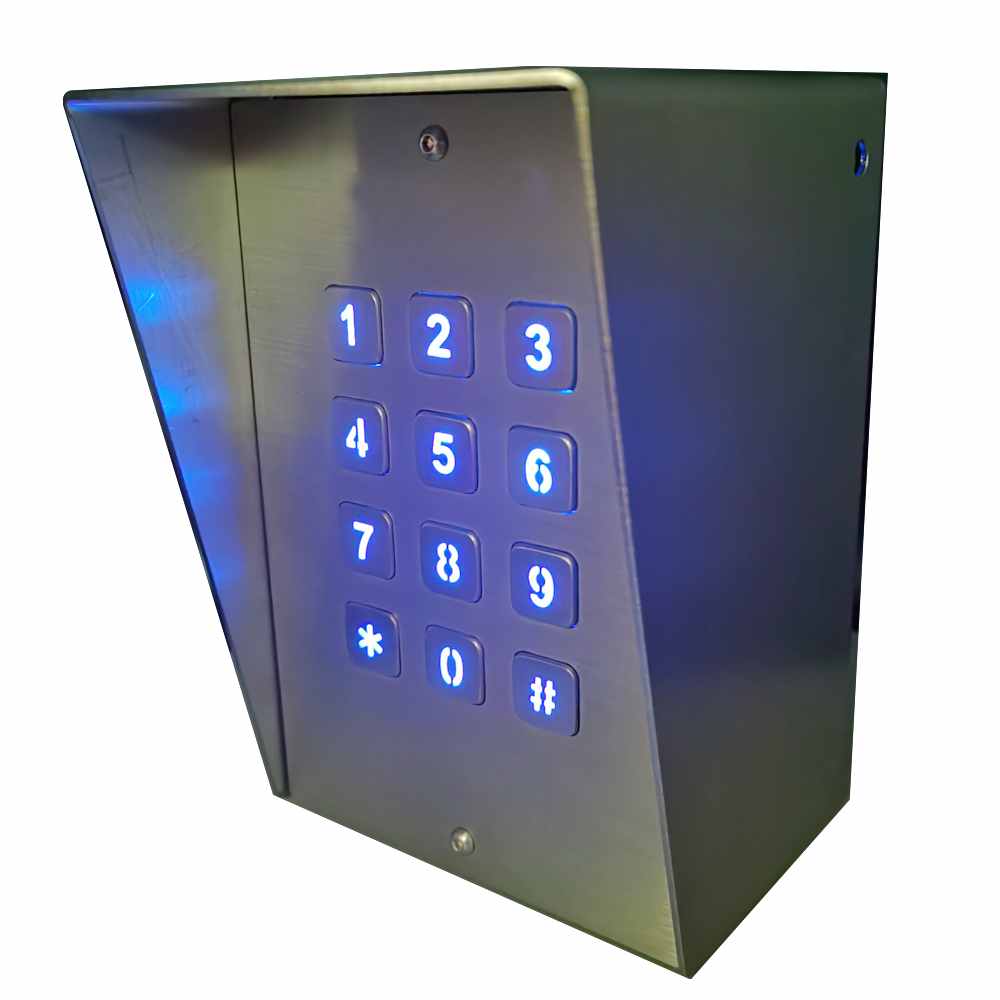
When it comes to laser engrave backlit metal keypads, laser engraving on backlit metal keypads uses a high-powered laser to remove precise layers of paint or coating, creating clear icons and legends that let light pass through evenly. Keypado applies this process across IP-rated, vandal-resistant metal keypads for access control, vending, and kiosk applications, ensuring wear-resistant, corrosion-resistant markings that survive heavy field use.
What Do You Need Before Laser Engraving Metal Keypads?
Four things matter most: equipment application, layout specs, environmental rating, and sample lead time. Skipping any one of these turns a straightforward engraving job into a costly redesign cycle. Access control panels, locker banks, vending machines, and fuel dispensers each demand different key counts, mounting depths, and durability thresholds, so nailing down the end application first saves engineering hours later.
Get a Custom Backlit Keypad Quote From Keypado
What equipment application should drive the design?
OEMs building access control systems, lockers, vending machines, or fuel dispensers need rugged laser engrave backlit metal keypads matched to the hardware’s mechanical stresses and duty cycle. Keypado supplies metal keypads specifically for these categories, which means the starting design already accounts for outdoor exposure, high-frequency presses, and tamper attempts. Matching the keypad family to the actual deployment environment avoids over-engineering (and overpaying) for protection the equipment doesn’t need.
How should procurement handle layout and certification requirements?
Layout flexibility and IP-rated protection come standard on vandal-resistant metal keypads designed for OEM specification. Before requesting a quote, procurement teams should gather:
Key layout and count — numeric, alphanumeric, or custom function sets
Interface type — USB, matrix, or PS/2 connection needs
Engraving and backlighting preferences — legend style, icon set, illumination color
Mounting and IP rating targets — panel depth, sealing requirements for dust or moisture
Low minimum order quantities and fast sample turnaround make it practical to test an engraved layout on a small batch before greenlighting full production. This step matters especially in high-end industrial electrical and communication equipment, where legend clarity and wear resistance directly affect field reliability. Sampling first, then scaling, keeps mistakes cheap instead of expensive.
How Does Laser Etching Create Backlit Legends?
A high-powered laser strips away one or more layers of paint from a keypad’s surface, carving out precise letters, icons, and numbers. That controlled removal process is what allows engineers to laser engrave backlit metal keypads with legends that glow evenly under low-light conditions. The technique replaces guesswork with exact, repeatable marks that hold their shape over years of field use.
What Actually Happens to the Ink During Etching?
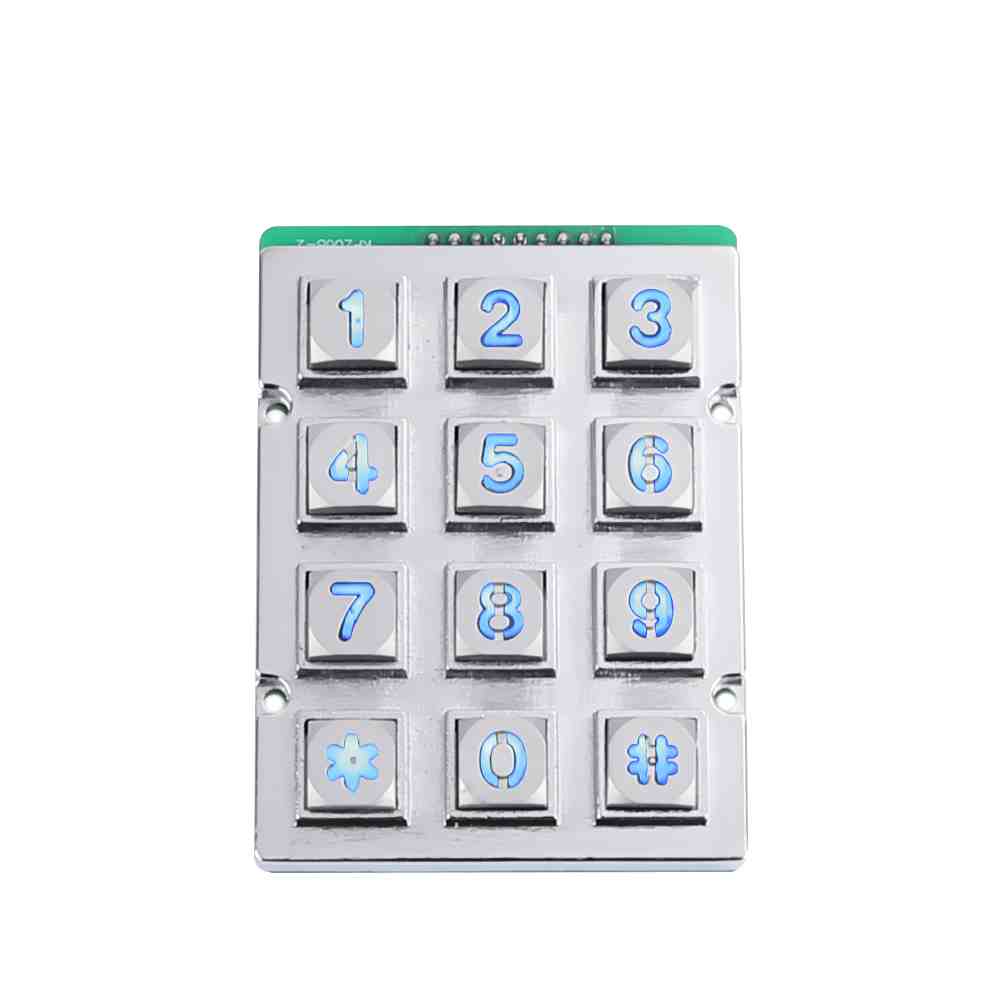
Every spot the laser touches loses its ink coating completely. That bare spot becomes a clear channel, letting light pass straight through from an internal source to the surface. The surrounding painted areas stay opaque, so only the etched characters glow. Creating sharp contrast between lit symbols and dark background.
Why Does Metal Construction Matter for Etched Legends?
Rugged metal housings give etched legends somewhere durable to live. Keypado builds its keypads from solid metal so the fine laser work survives vibration, moisture, and constant hand contact without fading or chipping. Painted plastic panels wear down fast in outdoor kiosks or vending equipment; metal doesn’t.
The production sequence generally follows this order:
Apply a paint layer to the metal keypad surface.
Program the laser path to match the required legend layout.
Fire the laser to remove ink exactly where light needs to pass.
Inspect each unit for clean edges and consistent illumination.
Getting that sequence right takes engineering input, not just equipment. Keypado pairs the etching process with factory-direct support, including free CAD review, so OEMs can fine-tune legend placement and backlighting before committing to production.
Get a Custom Backlit Keypad Quote From Keypado
What Are the Step-by-Step Engraving Steps?
Four production stages turn a blank metal panel into a fully functional, illuminated input device: layout mapping, laser removal of the coating, output wiring, and environmental sealing. Skipping any one of these stages risks a keypad that looks sharp on day one. Fails in the field within months. Manufacturers who laser engrave backlit metal keypads follow this sequence to guarantee consistent results across large production runs.
Map the layout to the panel cutout. Engineers configure custom 3×4 or 4×4 button arrangements so the finished keypad drops into the exact opening an OEM specifies, with no rework needed on the assembly line.
Etch the surface with a precision laser. The laser removes a thin coating layer to create crisp legends and icons, without weakening the metal key structure underneath.
Wire the output for controller integration. Technicians connect the keypad through USB or matrix wiring, letting engineering teams plug the finished unit straight into existing control systems.
Seal the assembly against the elements. The keypad receives an IP65+ rated seal, locking out dust and water so the engraved surface stays legible for years.
Does Engraving Weaken the Metal Keys?
No. Vandal-proof metal keys are built to survive millions of presses even after the etching process. The coating removal affects only the surface layer, leaving the underlying metal structure fully intact for heavy-duty, repetitive use.
Can the Engraved Layout Match an Existing Panel Design?
Yes. Custom 3×4 and 4×4 configurations are engraved specifically to fit an OEM’s existing panel cutout, eliminating the need to redesign enclosures around a new keypad.
How Do You Choose Coatings and Finishes?
Coating choice depends on how much wear a keypad’s face endures and what budget an OEM has for protection. Laser engrave backlit metal keypads hold up best when the right surface treatment locks in legend clarity from day one. Skipping this step risks faded icons and unreadable numbers long before the hardware itself fails.
Selecting a finish follows a straightforward sequence:
Identify the wear environment — high-touch public terminals need tougher protection than low-traffic indoor panels.
Compare coating types against expected service life and budget constraints.
Confirm the coating supports the backlighting method already specified for the keypad.
Request a sample finish before committing to full production runs.
Matte smooth coating, PU coating, and epoxy coating all guard printed legends and icons from wearing off during daily use. Each option protects the surface, but not equally.
Get a Custom Backlit Keypad Quote From Keypado
Which Coating Lasts Longer, PU or Matte Smooth?
PU coating outperforms matte smooth coating on wear resistance, delivering stronger long-term protection for high-cycle applications. That extra durability usually comes with a higher price tag, so procurement teams weigh cost against expected button-press volume.
Properly executed engraving combined with the right coating produces clear printing, wear resistance, and corrosion resistance that resists damage even in harsh field conditions. That combination matters most for OEMs building equipment meant to stay in service for years, not months.
Keypado’s engraved metal keypads have already proven this approach across deployments exceeding 100,000 units. Field performance at that scale gives hardware engineers real confidence before locking in a coating spec for their own project.
What Problems Should You Watch for and Fix?
Two culprits cause nearly every engraving defect: spraying paint problems and laser process errors during production. Procurement teams sourcing laser engrave backlit metal keypads lose money when either issue slips through unnoticed. Rework and delayed shipments eat into project budgets fast. Catching these problems early separates a smooth OEM rollout from a costly redo.
What causes uneven or inconsistent engraving?
Uneven results usually stem from paint layer thickness or laser calibration drift, not the metal substrate itself. Spraying that’s applied too thin or too thick changes how the laser removes material, leading to blotchy or incomplete legends.
Who can troubleshoot these issues before mass production?
Keypado’s engineering team, based at its Yuyao, Zhejiang, China facility, works directly with OEMs to diagnose coating and etching problems before they reach full-scale runs. Direct access to the production floor means adjustments happen fast, without waiting on layers of middlemen.
A few practical fixes address most defects:
Inspect paint thickness before laser processing begins.
Recalibrate laser power settings if legends appear faint or scorched.
Run a batch sample and check under backlighting before committing to volume.
Document defects against ISO9001-backed inspection reports for traceability.
Reliability doesn’t happen by accident. Consistent engraving quality rests on ISO9001 certification paired with batch inspection reports, giving OEMs a paper trail for every production run. That discipline is part of why more than 200 clients worldwide continue relying on the same engraving and finishing processes for repeat orders.
Capacity also matters when defects surface mid-run. Monthly output exceeding 500,000 pieces gives Keypado room to correct engraving issues early without blowing through delivery schedules, keeping OEM launch dates intact even when adjustments are needed.
So there you have it—laser engraving transforms backlit metal keypads from functional components into durable, professional input solutions that stand up to real-world demands. The precision, reliability, and customization possibilities make this process a game-changer for OEMs looking to deliver equipment that performs and looks the part. Whether you’re designing access control systems, kiosks, or industrial panels, understanding how laser engraving works helps you make smarter choices about your input devices. That’s the kind of thoughtful engineering that sets quality apart.
FAQ
What does the laser actually remove during engraving?
The laser strips away one or more layers of paint from the keypad surface, carving precise letters, icons, and numbers. This creates a clear channel that lets light pass through from an internal source.
Why do the etched legends glow while the rest of the keypad stays dark?
Etched spots lose their ink coating completely, becoming clear channels for light. The surrounding painted areas remain opaque, producing sharp contrast between lit symbols and the dark background.
Why does Keypado use solid metal housings for these keypads?
Solid metal construction gives the etched legends a durable base that withstands vibration, moisture, and constant hand contact. This keeps the fine laser work from fading or chipping during heavy field use.
 English
  Deutsch
  Français
  Polski
  Português do Brasil
  Español
  日本語
日本語  Русский
  العربية
  Italiano
  Nederlands
  Türkçe
  한국어
한국어