
Factories like Keypado in Yuyao, Zhejiang, China demonstrate the key criteria worth verifying: ISO certification status, minimum order quantities, material grades (304 or 316 stainless steel), IP rating capabilities, customization options, lead times. Quality control processes, including third-party inspection access before committing to production contracts.
Buyers evaluating a metal keypad factory should verify rugged construction standards, IP ratings. Customization capabilities like layout flexibility and interface options. Quality certifications, batch inspection processes, and proven deployment scale matter too. Factories trusted by 200+ clients across 30+ countries — with low MOQs and fast sampling — signal reliable OEM partnership.
Key Takeaways
Quality directly impacts your reputation with customers; poor products damage business relationships.
Keypado operates from Yuyao, Zhejiang, China, offering established metal keypad manufacturing expertise.
Late orders from fabricators create customer dissatisfaction and reflect poorly on your company.
Professional metal fabrication shops provide expert guidance on material selection for projects.
What prerequisites should you gather before starting?
How to evaluate keypad factory options starts with solid groundwork. OEM buyers who skip the preparation stage risk wasted resources, subpar products, and costly restarts — so gathering the right information before reaching out to any supplier is non-negotiable.
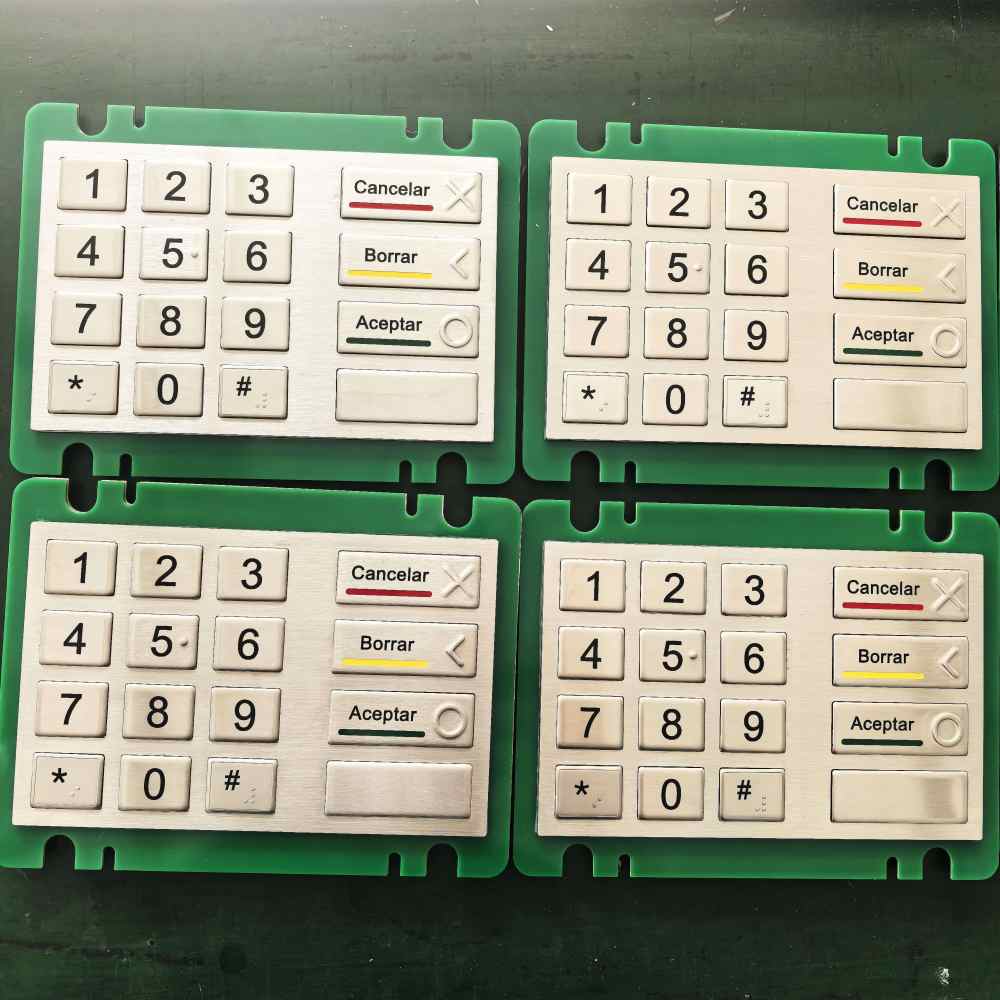
Get a Custom Metal Keypad Quote From Keypado
What application details should OEM buyers define first?
Clarify the deployment environment before contacting a single metal keypad factory. Keypads land in demanding settings — ATMs, lockers, vending machines, fuel dispensers — and each environment carries different durability and ingress-protection requirements. Knowing the exact use case shapes every specification that follows.
What technical specs should buyers document in advance?
Build a metal keypad supplier checklist that covers three core areas:
Define the interface. Confirm whether the application needs USB, matrix, or PS/2 output — factories offer all three, and mismatches cause expensive redesigns.
Map the layout. Decide on key count, arrangement, and any custom engraving or backlighting requirements before the first conversation with a custom metal keypad manufacturer.
Document environmental demands. Note IP rating targets, vandal-resistance needs, and mounting constraints so the industrial metal keypad supplier can match materials and construction from the start.
Rushing this stage is where most OEM metal keypad projects go sideways. A thorough brief handed to a stainless steel keypad manufacturer or metal keypad OEM ODM partner compresses sampling cycles and keeps the project on budget.
How do you verify a factory’s experience and capabilities?
Verifying a metal keypad factory’s experience starts with two concrete signals: deployment scale and client reach. A factory that has proven products across 100,000+ unit deployments carries a fundamentally different risk profile than one with limited field history.
Before reaching out to any supplier, OEM buyers should gather basic background information. Years in operation, industries served, and documented project volume. Then follow these steps to dig deeper.
Request deployment data. Ask the factory how many units have shipped across real-world projects. Keypado, for example, has proven products in 100,000+ unit deployments — a figure that reflects genuine production maturity, not just prototype capability.
Check global client reach. A factory trusted by clients across more than 30 countries signals consistent quality standards across diverse regulatory environments. Keypado serves 200+ clients worldwide, which is a meaningful benchmark when evaluating an industrial metal keypad supplier.
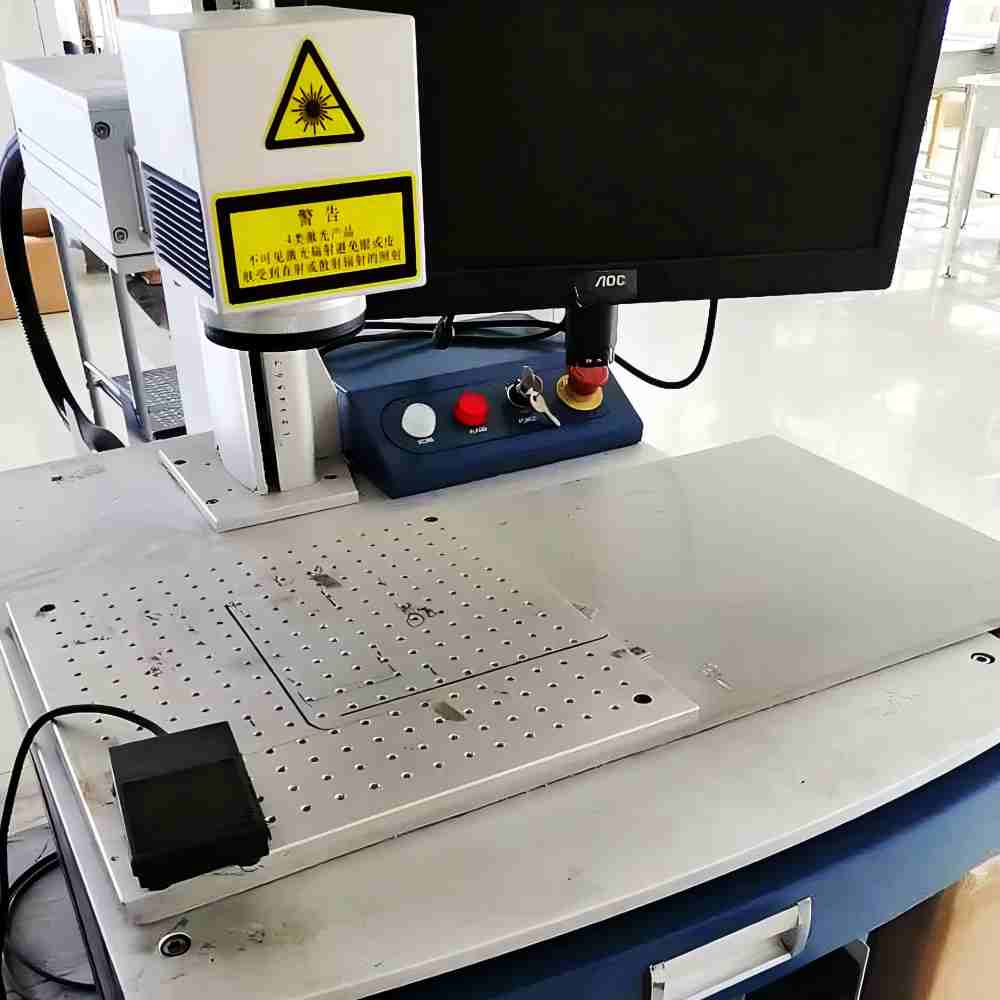
Audit equipment and production capabilities. A fabricator’s equipment must match the complexity of the work required. Confirm that the factory handles the specific processes needed — CNC machining, laser engraving, IP-rated sealing — rather than outsourcing critical steps.
Review certifications. Metal keypad quality certifications like ISO 9001 indicate structured quality management. Ask for batch inspection reports, not just a certificate scan.
Get a Custom Metal Keypad Quote From Keypado
What makes a factory’s track record trustworthy?
A long operational history combined with large-scale deployments is the strongest indicator of reliability. Factories that have navigated high-volume production across multiple industries have already solved the hard problems. Tooling consistency, interface compatibility, and field durability.
Does global client reach matter when choosing a custom metal keypad manufacturer?
Absolutely. Serving clients across 30+ countries means a factory has adapted to varied compliance requirements and shipping conditions. That breadth of experience directly reduces risk for new OEM buyers entering a partnership.
Which quality certifications and materials should you check?
Metal keypad quality certifications and material specifications are the two pillars buyers must verify before committing to any supplier. Skipping this step risks field failures, costly replacements, and damaged OEM reputations.
Start by requesting documentation. Here’s a practical checklist to work through:
Confirm ISO 9001 certification. Ask the industrial metal keypad supplier for a current ISO 9001 certificate. This standard signals that the factory runs a documented quality management system — not just a one-time audit pass.
Request batch inspection reports. Certifications alone don’t tell the whole story. Batch inspection reports show per-production-run data, giving buyers evidence of consistent output across long-term OEM metal keypad deployments.
Verify IP rating. Confirm the keypad carries at least IP65 sealing. That rating means the device resists both dust ingress and water jets — a non-negotiable spec for harsh-environment installations.
Check material grade. Confirm whether keys are stainless steel or zinc alloy. Both materials support vandal-resistant construction, but buyers should match the alloy to the specific environmental demands of their application.
What does IP65 actually mean for a metal keypad?
What IP rating a metal keypad should have is an important question to answer early. The “6” in IP65 means complete protection against dust. The “5” means the device withstands low-pressure water jets from any direction. For a stainless steel keypad manufacturer supplying fuel dispensers or outdoor kiosks, IP65 is typically the minimum acceptable threshold.
How many presses should a quality metal keypad handle?
Material choice drives longevity. Keypads built from stainless or zinc alloy metal keys are engineered to survive millions of presses. When evaluating a custom metal keypad manufacturer, buyers should ask for rated cycle-life data to confirm that figure applies to the specific alloy. Switch mechanism in their target product.
Using a metal keypad supplier checklist that covers certifications, IP ratings. Material specs keeps the evaluation structured — and keeps surprises off the production floor.
How do you assess customization support and OEM ODM flexibility?
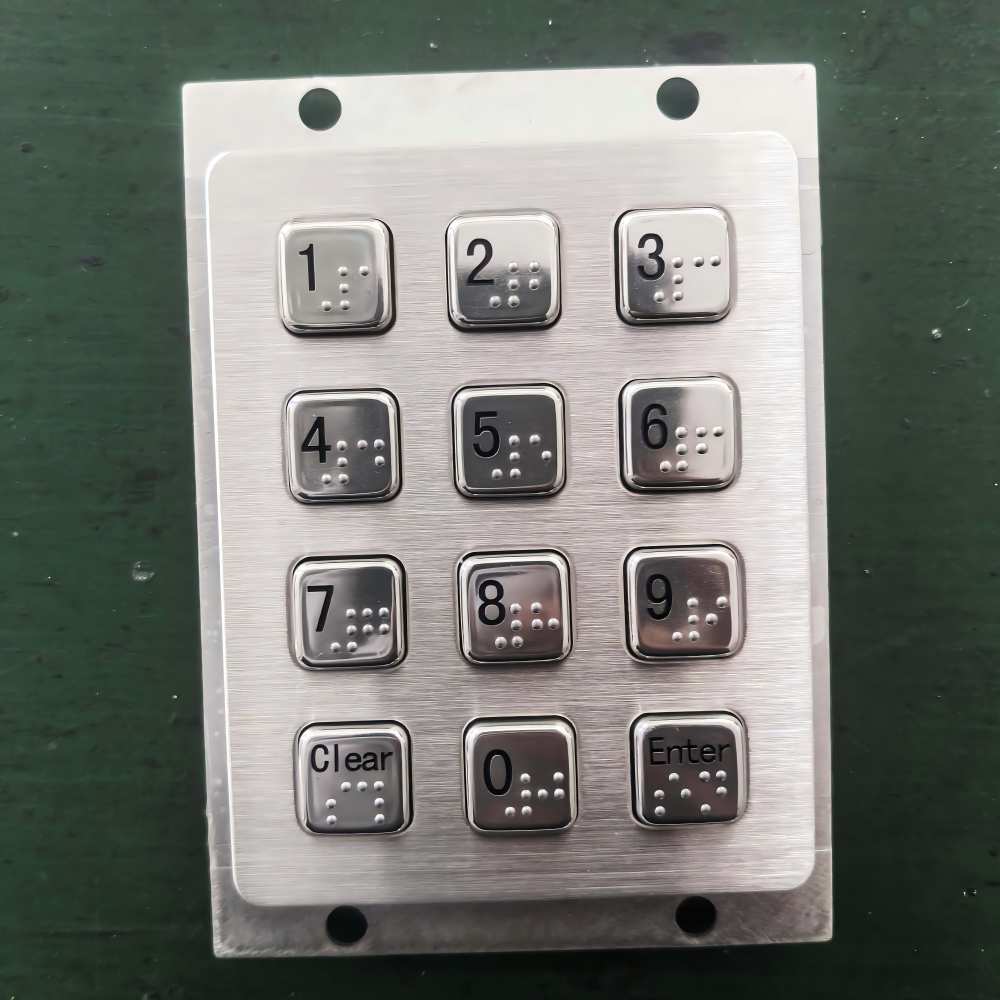
Assessing metal keypad OEM ODM flexibility starts with confirming whether a factory offers direct engineering involvement. Not just a catalog of standard parts. Weak customization pipelines force equipment builders to compromise on layouts, interfaces. Mounting configurations, which drives up integration costs and delays product launches.
Get a Custom Metal Keypad Quote From Keypado
What custom options should OEMs confirm with a factory?
A capable custom metal keypad manufacturer covers far more than basic shape changes. Before committing to a supplier, OEM engineers should verify the full scope of available configurations:
Confirm layout flexibility. Ask whether the factory supports custom key arrangements — numeric, function, or hybrid grids — rather than fixed standard layouts.
Verify interface options. Confirm support for USB, matrix, PS/2, or other interfaces the target equipment requires.
Check engraving and backlighting. Ensure the factory handles custom legends, engraving, and backlighting in-house rather than outsourcing those steps.
Review mounting configurations. Request documentation on panel-mount, surface-mount, and other installation options relevant to the enclosure design.
Running through a metal keypad supplier checklist like this one early in the conversation saves significant rework later.
Does factory-direct support actually speed up development?
OEM metal keypad development moves faster when engineering support comes directly from the factory floor. A metal keypad factory that provides guidance on how many keys a metal keypad should have and free CAD review removes intermediary markups and keeps design feedback loops short. That direct access trims development time and strengthens field reliability — two outcomes equipment builders cannot afford to sacrifice.
The right industrial metal keypad supplier functions less like a vendor and more like an embedded engineering partner. Treating the relationship that way from the first conversation sets the foundation for a smoother, faster product build.
How do you evaluate sampling speed and minimum order terms?
Evaluating sampling speed and minimum order terms requires OEM buyers to request concrete commitments from any metal keypad factory before signing a supply agreement. Slow sample turnarounds and inflexible order minimums are two of the most common reasons pilot programs stall and product launches slip.
Here’s a practical process for assessing both criteria:
Request a sample lead-time commitment in writing. A reliable custom metal keypad manufacturer states a specific turnaround — Keypado, located in Yuyao, Zhejiang, China, delivers samples within 7 days. Vague promises like “as soon as possible” are a red flag.
Confirm the minimum order quantity for pilot runs. Ask the metal keypad OEM ODM partner directly what the lowest production run looks like. Low MOQs let OEM buyers test field performance without overcommitting inventory.
Ask for on-time delivery data or references. Late orders from a supplier reflect directly on the OEM buyer’s own reputation with end customers — making delivery reliability a non-negotiable line item on any metal keypad supplier checklist.
Assess whether the factory’s production model supports low-volume consistency. A streamlined, low-volume production model accelerates time to market and keeps quality consistent across small batches, not just high-volume runs.
Why does sample turnaround time matter so much?
Sample turnaround is a live stress test of a factory’s responsiveness. A 7-day sample window signals that the industrial metal keypad supplier has organized workflows and dedicated engineering capacity. Not just a sales team.
What MOQ terms should OEM buyers expect from a quality supplier?
Flexible MOQ terms are a hallmark of a mature how to evaluate keypad factory process. Suppliers that support pilot-scale orders demonstrate confidence in their quality. Reduce financial risk for the OEM metal keypad buyer during early deployment stages.
Choosing the right metal keypad factory comes down to finding a partner who genuinely understands your needs. Backs up their promises with real expertise. You’ve got the checklist now—quality certifications, customization capabilities, production flexibility, and a track record of reliability. The best factories don’t just manufacture keypads. They collaborate with you from day one, offering engineering support and transparency throughout the process. Trust your instincts, ask the tough questions. Pick a partner ready to deliver durability and performance when it matters most.
 English
  Deutsch
  Français
  Polski
  Português do Brasil
  Español
  日本語
日本語  Русский
  العربية
  Italiano
  Nederlands
  Türkçe
  한국어
한국어