
Customizing a metal keypad for (Original Equipment Manufacturer) or (Original Design Manufacturer) projects demands clear choices on materials, functionality and durability. Metal keypads deliver rugged, reliable performance in demanding environments.
Material Selection for Durability and Performance
Choosing the right metal is essential for keypad lifespan and performance. Stainless steel offers strong corrosion resistance and a premium feel for harsh or outdoor use; aluminum balances strength and weight and can be anodized in a range of colors; zinc alloys are castable and cost-effective for intricate designs. Understanding these differences helps you pick the best option for your specific custom metal keypad needs.
Get a Custom Metal Keypad Quote from Keypado
Key Design and Manufacturing Options
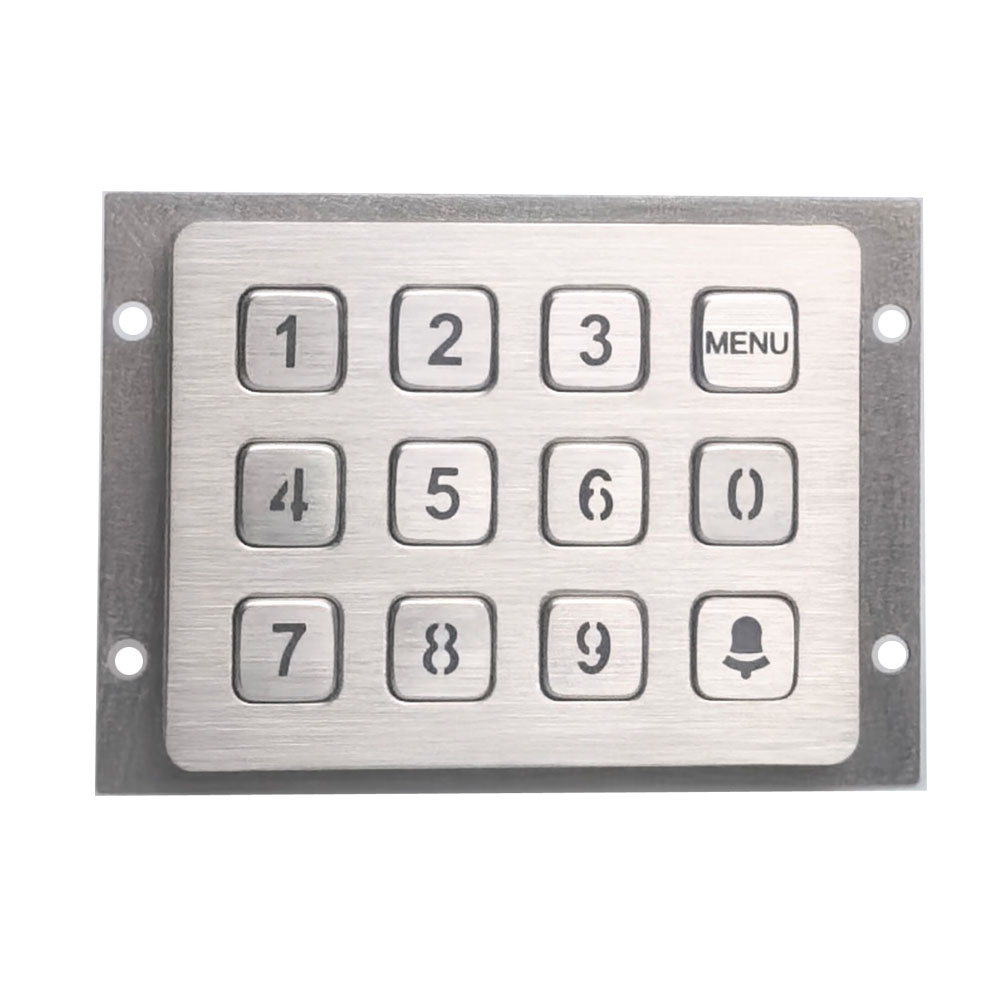
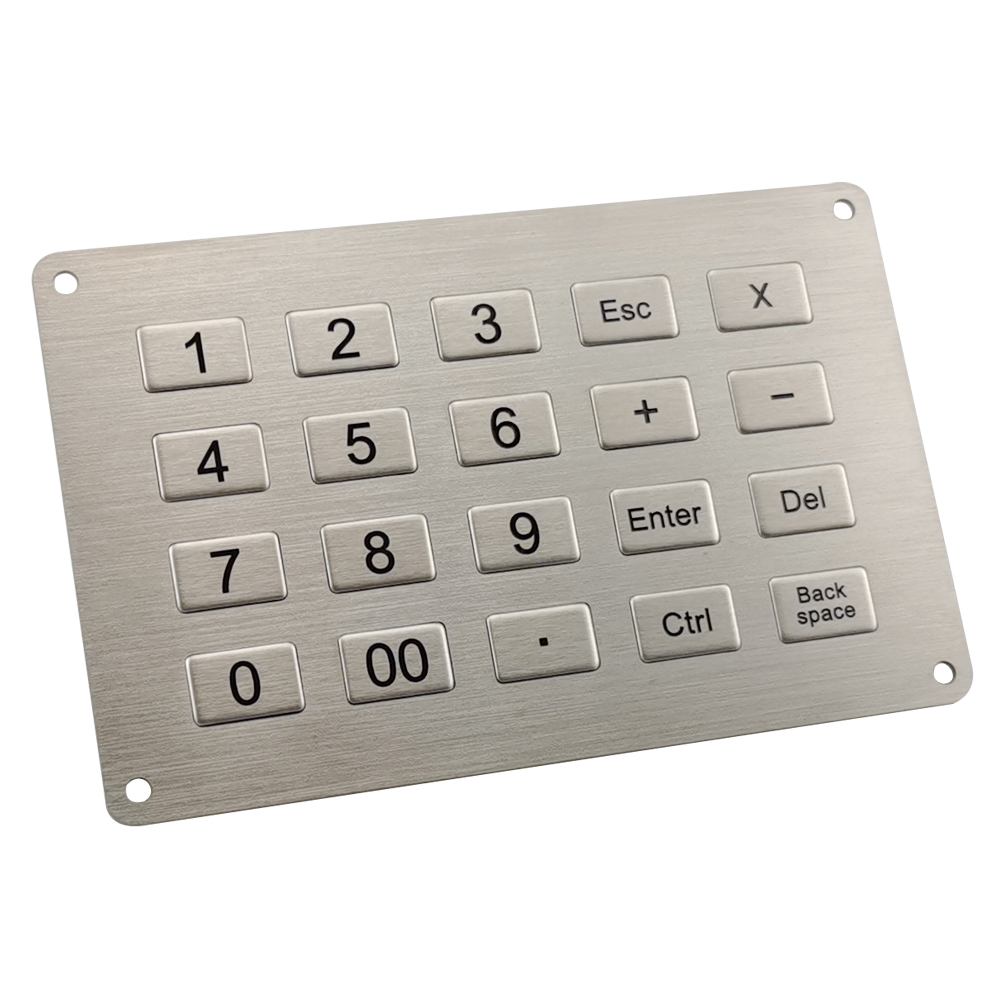
In the design phase, define key layout, size and shape plus any special features such as engraved legends, backlighting for low-light visibility, or integrated pointing devices like a trackball or touchpad. Manufacturing commonly uses precision metal stamping, CNC machining, or die casting, followed by finishes such as etching, laser engraving or powder coating to achieve the required look and durability.
Performance and Testing Requirements
Ensure the keypad meets your project’s operational requirements—tactile feedback, actuation force and expected lifespan are critical. Validate performance through testing under simulated conditions to guarantee reliability and user satisfaction. For tailored solutions and guidance through design and production, consult experienced providers.
If you are developing a custom metal keypad, weigh the available options and required expertise. Contact us to discuss your requirements and see how we can realize your design with high-quality custom metal keypads.
What are the advantages of using metal keypads over plastic ones?
Metal keypads outlast plastic alternatives: they resist wear, higher temperatures and impact better, and often present a more premium appearance. Their resistance to moisture and chemicals makes them a reliable choice for industrial applications where long service life is essential.
How can I ensure the metal keypad is suitable for outdoor use?
For outdoor use, choose corrosion-resistant materials like stainless steel or anodized aluminum and apply protective coatings to guard against UV and moisture. Seal key openings and electronics to prevent water ingress, and validate durability with simulated weather testing.
Get a Custom Metal Keypad Quote from Keypado
What is the typical lead time for manufacturing a custom metal keypad?
Lead time depends on design complexity, materials and production method. Typical timelines range from about 4 to 12 weeks—simpler designs with common materials finish sooner, while intricate parts requiring custom tooling or special finishes extend the schedule. Confirm timing with your manufacturer for an accurate estimate.
What testing should be performed on the custom metal keypad?
Testing should cover tactile feedback, actuation force and endurance under simulated use. Include environmental tests for temperature, humidity and chemical exposure, and perform electrical checks to verify signal integrity and overall functionality.
Are there specific industries that commonly use custom metal keypads?
Yes—custom metal keypads are common in automotive, medical devices, industrial automation and consumer electronics. They provide durable controls in vehicles, hygienic surfaces in medical equipment and robust interfaces on factory panels to meet each industry’s demanding requirements.
Can custom metal keypads be designed with touch capabilities?
Yes—metal keypads can incorporate touch options like capacitive sensing to enable a sleeker, buttonless interface. Design must account for sensitivity, responsiveness and any protective coatings that affect touch performance. Work with manufacturers experienced in touch technology to achieve the desired result.
Conclusion
Custom metal keypads provide the durability and functionality OEM and ODM projects require. Thoughtful material selection, purposeful design and thorough testing help ensure high performance. If you’re ready to upgrade your next project, partner with experienced providers and explore our range of quality keypads for solutions that meet your needs.
 English
  Deutsch
  Français
  Polski
  Português do Brasil
  Español
  日本語
日本語  Русский
  العربية
  Italiano
  Nederlands
  Türkçe
  한국어
한국어