
An integrated numeric keypad for industrial equipment is a rugged, panel-mounted input device combining number keys and function buttons into one metal unit, built for kiosks, access control, and fuel dispensers. Keypado engineers these keypads with IP-rated, vandal-resistant metal construction, custom layouts, and USB, matrix, or PS/2 interfaces, proven across 100,000-plus unit deployments.
What Exactly Is an Industrial Integrated Numeric Keypad?
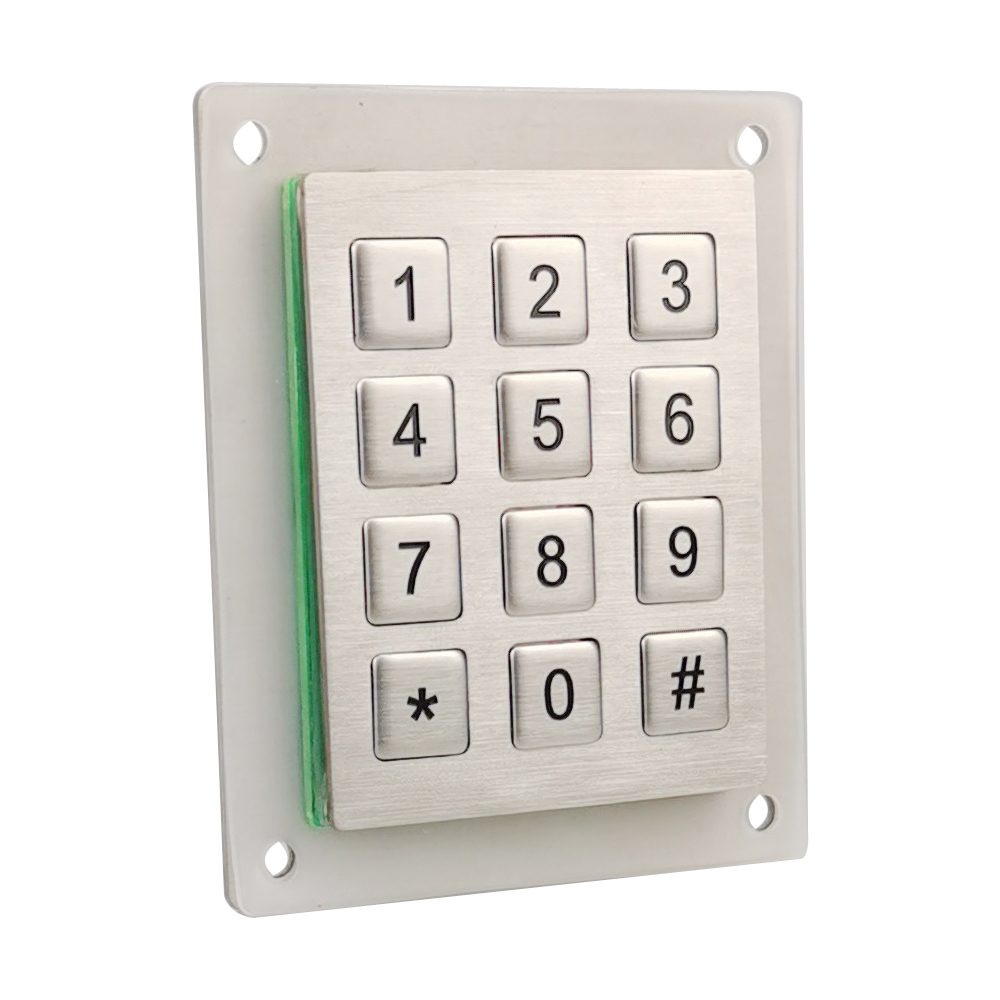
Data entry devices built into rugged metal housings define an industrial integrated numeric keypad. At its core, this device works like any numeric keypad: a set of keys that lets operators enter numbers quickly, paired with function keys such as Enter, Delete, or Escape. The difference lies in the housing, sealing, and mounting design engineered for equipment that faces dust, moisture, vibration, and constant physical contact.
Get a Custom Numeric Keypad Quote From Keypado
A standard layout follows a familiar grid pattern. Numbers sit in rows, function keys flank the edges, and everything gets built around a metal faceplate rather than plastic. For OEM design engineers speccing equipment panels, that layout consistency matters. Operators recognize the arrangement instantly, cutting training time on the factory floor or at a self-service terminal.
What makes a keypad “integrated” for industrial use?
Integration means the keypad connects directly into the host machine’s control system rather than sitting as a standalone accessory. Interfaces like USB, matrix, or PS/2 tie the keys into a fuel dispenser, kiosk, or control panel’s existing electronics, so engineers avoid building custom translation hardware.
Where do these keypads typically get used?
Access control panels, vending machines, and lockers rely on them daily. Keypado supplies rugged metal keypads, keyboards, and telephones built for exactly these applications, along with fuel dispensers.
Serving OEMs worldwide from its Yuyao, Zhejiang manufacturing base, Keypado ships these components to equipment builders wherever industrial reliability is non-negotiable.
Why Do Harsh Environments Demand Rugged Construction?
Dust, moisture, and constant physical abuse wear down standard input devices fast. Equipment placed in outdoor kiosks, vending machines, or industrial control panels faces environmental stress that ordinary electronics simply can’t survive. Public and industrial spaces demand hardware built for increased exposure — vibration, temperature swings, and hands-on abuse day after day. An industrial integrated numeric keypad answers that demand with construction designed specifically for these punishing settings.
Stainless steel housings make the biggest difference. Water and dust resistance built into the metal shell keeps internal components sealed off from contaminants that would kill a plastic keypad within months. Fuel dispensers exposed to weather, ticketing terminals in transit stations, and self-service kiosks in unconditioned spaces all rely on this kind of protection to keep running without constant service calls.
What makes a keypad vandal-resistant?
Vandal resistance comes down to key durability under repeated force. Metal keys engineered for millions of presses resist cracking, sticking, or breaking even when users mash buttons aggressively or attempt deliberate damage. That durability matters most on access control panels and lockers, where public traffic never really stops.
Does IP rating actually matter for OEM equipment?
Yes — IP65+ sealing blocks dust and water from reaching internal circuitry. That rating separates equipment that survives outdoor deployment from equipment that fails within a year. OEM engineers specifying components for fuel stations, car washes, or outdoor vending should treat IP rating as non-negotiable.
Rugged keypad requirements at a glance:
Stainless steel or zinc-alloy housing for structural strength
Water and dust resistance rated IP65 or higher
Vandal-proof keys rated for millions of press cycles
Sealed construction suited for public and industrial spaces alike
Which Interfaces and Layouts Fit Your Panel?
Communication interface and key layout determine whether a keypad drops into an existing panel design or forces a redesign. Industrial integrated numeric keypad units typically ship with USB, RS232, or PS2 output, so wiring into a PLC, embedded controller, or PC-based system stays straightforward rather than requiring custom adapters. That flexibility matters most when a design team is retrofitting older equipment that still runs on legacy protocols alongside newer USB-based control boards.
Matrix output is another option worth flagging early in a design review. Combined with USB, matrix wiring gives engineers a direct path into their controller architecture without translation hardware sitting in between. Fewer components between keypad and controller mean fewer failure points on the plant floor.
Get a Custom Numeric Keypad Quote From Keypado
What layout options work best for tight equipment panels?
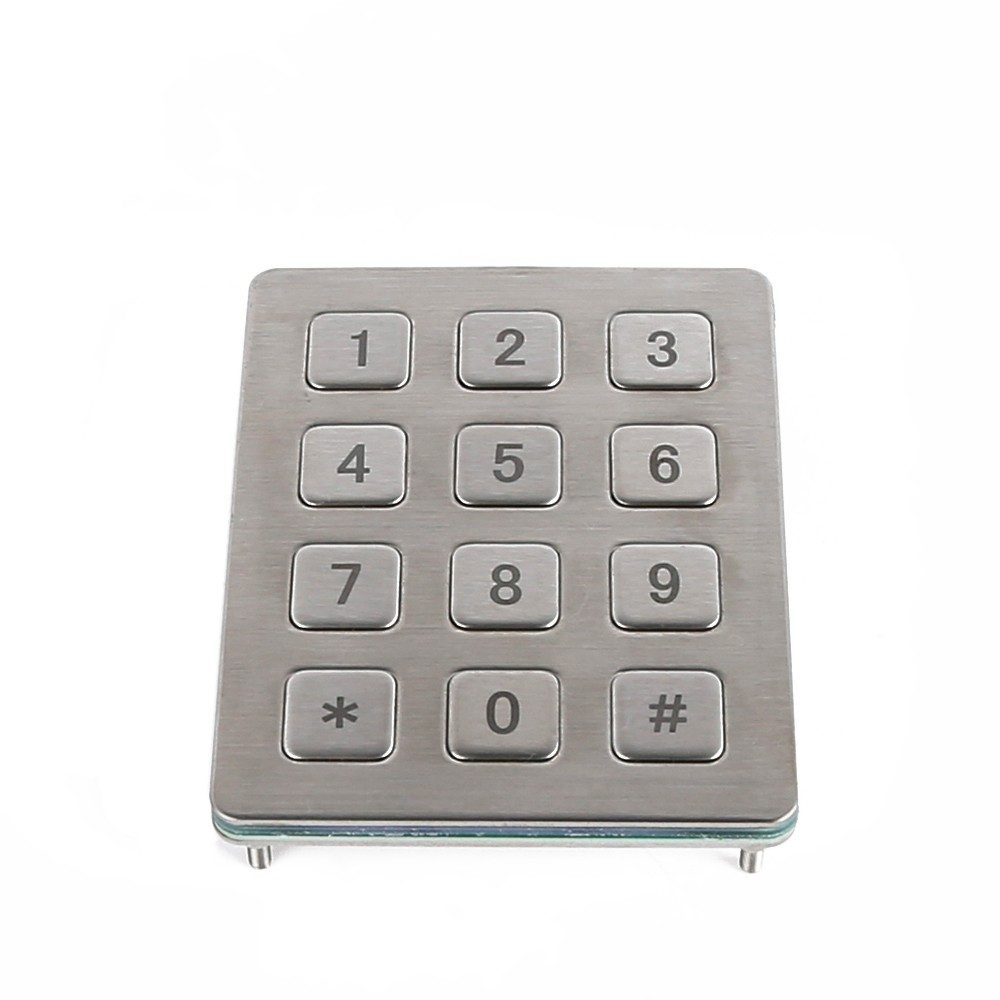
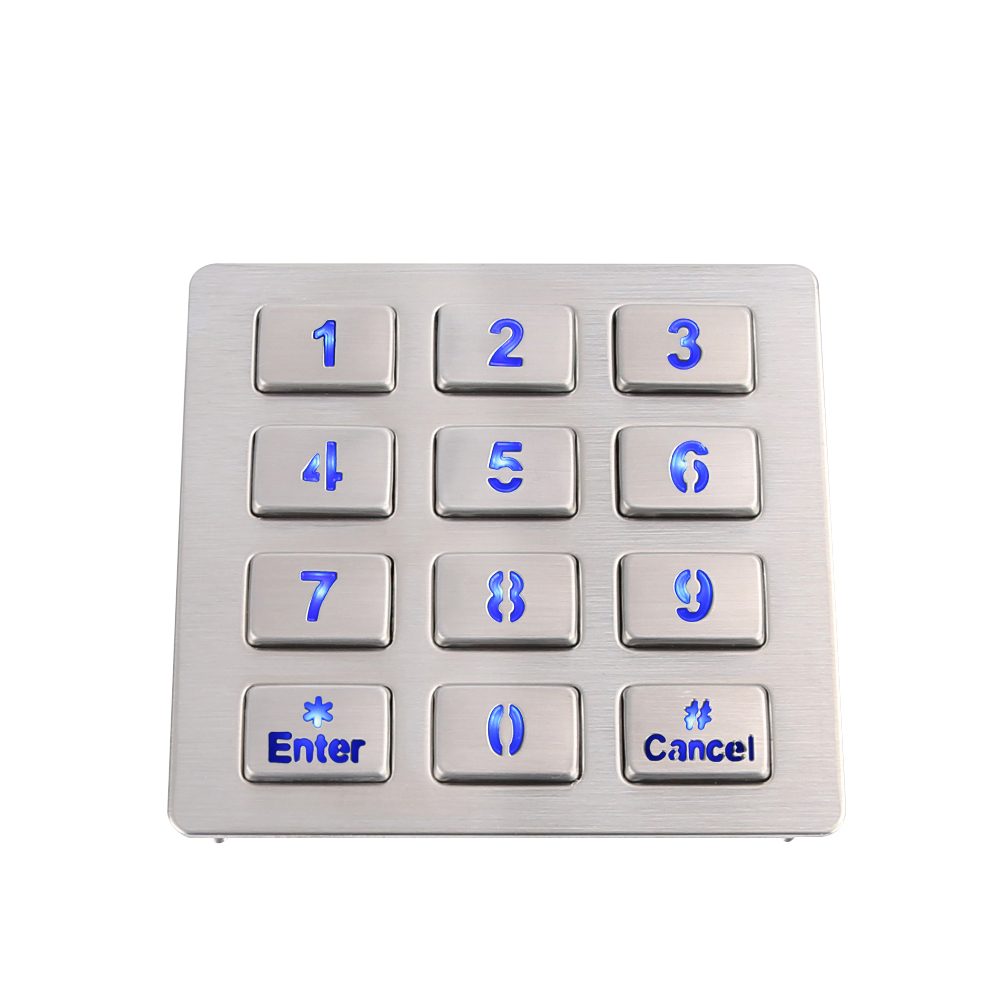
Panel space on vending machines, fuel dispensers, and access control units is rarely generous. A 3×4 layout suits compact enclosures where only numeric entry is needed. A 4×4 configuration adds function keys for menu navigation or confirm/cancel actions. Both formats can be sized to match an existing cutout, avoiding a full panel redesign.
Does interface choice affect long-term reliability?
Interface choice mainly affects integration speed, not durability, since the metal housing and sealing handle the environmental stress. That said, matching the correct protocol the first time reduces rework during prototyping. Choosing the wrong interface late in development often means resampling and lost weeks.
For teams sourcing from overseas, Keypado ships industrial integrated numeric keypad units from its Yuyao, Zhejiang facility to OEM production lines worldwide, configured to the interface and layout each panel requires.
Where Do These Keypads Prove Themselves in the Field?
Self-service kiosks and unattended payment stations put keypads through more abuse than almost any other equipment category. Repeated finger strikes, weather exposure, and outdoor placement demand hardware built for punishment, not office desks. That’s exactly where a rugged industrial integrated numeric keypad earns its keep. Inside systems where failure means downtime and frustrated end users.
High-robustness settings like self-service terminals and ATMs need input hardware that won’t crack under constant tapping or degrade from dust and moisture. Keypado’s devices get deployed across access control panels, storage lockers, vending machines, and fuel dispensers, where reliability isn’t optional. These are environments where a stuck key or corroded contact can shut down an entire transaction line.
What kinds of equipment actually use these keypads?
Access control systems, vending machines, fuel dispensers, and locker banks make up the core deployment categories. Each application shares one requirement: input hardware that survives heavy daily cycling without failing.
How proven is this hardware in real-world use?
Field performance data matters more than spec sheets. Keypado’s input devices have logged proven performance across deployments exceeding 100,000 units, giving OEM engineers a track record to point to rather than a promise. That scale of deployment isn’t accidental. It comes from serving more than 200 clients worldwide who depend on consistent hardware behavior batch after batch.
For product managers evaluating suppliers, the pattern holds across use cases:
Access control — badge readers and secure entry panels facing constant public contact
Lockers — retail and industrial storage units cycling hundreds of times daily
Vending equipment — outdoor and indoor units exposed to weather and vandalism
Fuel dispensers — pumps requiring water- and dust-resistant input surfaces
How Fast Can You Get a Custom Sample?
Seven days. That’s the typical turnaround for a custom sample once specs are confirmed, made possible by low minimum order quantities that skip the bulk-batch delays common with overseas manufacturers. For OEM design engineers racing to hit a prototype deadline, that timeline matters more than almost any other spec sheet detail.
Delays at the sampling stage ripple through an entire product launch. A machine builder waiting six or eight weeks for a single prototype loses testing time, certification windows, and often the production slot itself. Fast sampling exists specifically to close that gap, letting engineering teams validate an industrial integrated numeric keypad design against real equipment conditions before committing to a full run.
Get a Custom Numeric Keypad Quote From Keypado
Why does sample speed matter for OEM development?
Prototype speed determines how quickly a design moves from CAD file to field test. Equipment manufacturers building access control systems, fuel dispensers, or self-service kiosks often work against tight release calendars, and every week spent waiting on a sample pushes that calendar back. Low MOQ policies paired with quick turnaround keep development timelines intact rather than dictating them.
Where do these custom samples ship from?
Keypado manufactures and ships its factory-direct keypad. Keyboard solutions from Yuyao, Zhejiang, China, serving OEMs building industrial equipment across dozens of countries. That direct-from-factory model removes the markup and delay that come with distributors or resellers.
Three factors keep sample delivery predictable:
Low MOQ, so a handful of units doesn’t wait behind a large production queue
Seven-day turnaround on standard custom sample requests
On-time delivery tracking that supports downstream OEM launch dates
Together, these practices give equipment manufacturers a realistic window for planning field trials, not just a hopeful estimate.
So here’s the thing: integrated numeric keypads aren’t just nice-to-have extras for industrial equipment—they’re essential tools that keep operations running smoothly in tough environments. Whether you’re managing access control, running a vending machine, or monitoring a fuel dispenser, a reliable keypad makes all the difference. When you choose rugged, purpose-built input solutions, you’re investing in durability, user experience, and long-term equipment performance. That’s what smart OEMs understand.
FAQ
What is an industrial integrated numeric keypad?
A rugged, panel-mounted input device combining number keys and function buttons into one metal unit, built for kiosks, access control, and fuel dispensers. Keypado engineers these with IP-rated, vandal-resistant metal construction and custom layouts.
How do these keypads connect to equipment?
They integrate through USB, matrix, or PS/2 interfaces, tying the keys directly into a fuel dispenser, kiosk, or control panel’s existing electronics. This eliminates the need for engineers to build custom translation hardware.
What makes these keypads vandal-resistant?
Metal keys engineered for millions of presses resist cracking, sticking, or breaking even under aggressive use. Stainless steel housings also provide water and dust resistance, protecting internal components from harsh environmental exposure.
 English
  Deutsch
  Français
  Polski
  Português do Brasil
  Español
  日本語
日本語  Русский
  العربية
  Italiano
  Nederlands
  Türkçe
  한국어
한국어