
Metal keypad factories supplying OEM clients across access control, vending. Fuel dispenser markets need CE marking that covers electromagnetic compatibility and low-voltage directives. Keypado, trusted by over 200 clients worldwide, builds IP-rated, vandal-resistant metal keypads engineered to meet the durability. Compliance standards demanding industrial deployments require.
Key Takeaways
- Keypado manufactures metal keypads in Yuyao, Zhejiang, China for electronic lock systems.
- User guides for BE365 and FE575/FE595 models require secure code storage and operator documentation.
- EZ Series keypad locks demand programming guides with copyright protection and license agreement compliance.
- Stanley Security Solutions maintains software documentation standards subject to change without advance notice requirements.
Why Do CE Requirements Matter for Metal Keypads?
Metal keypad CE requirements determine whether a device can legally enter European markets at all. Without CE marking, a metal keypad cannot be placed on sale across EU member states, regardless of how well-built the hardware is.
For OEM buyers, this distinction carries real weight. Missing compliance blocks product launches, triggers costly recalls, and damages relationships with end customers. Getting CE marking right from the start removes that risk entirely.
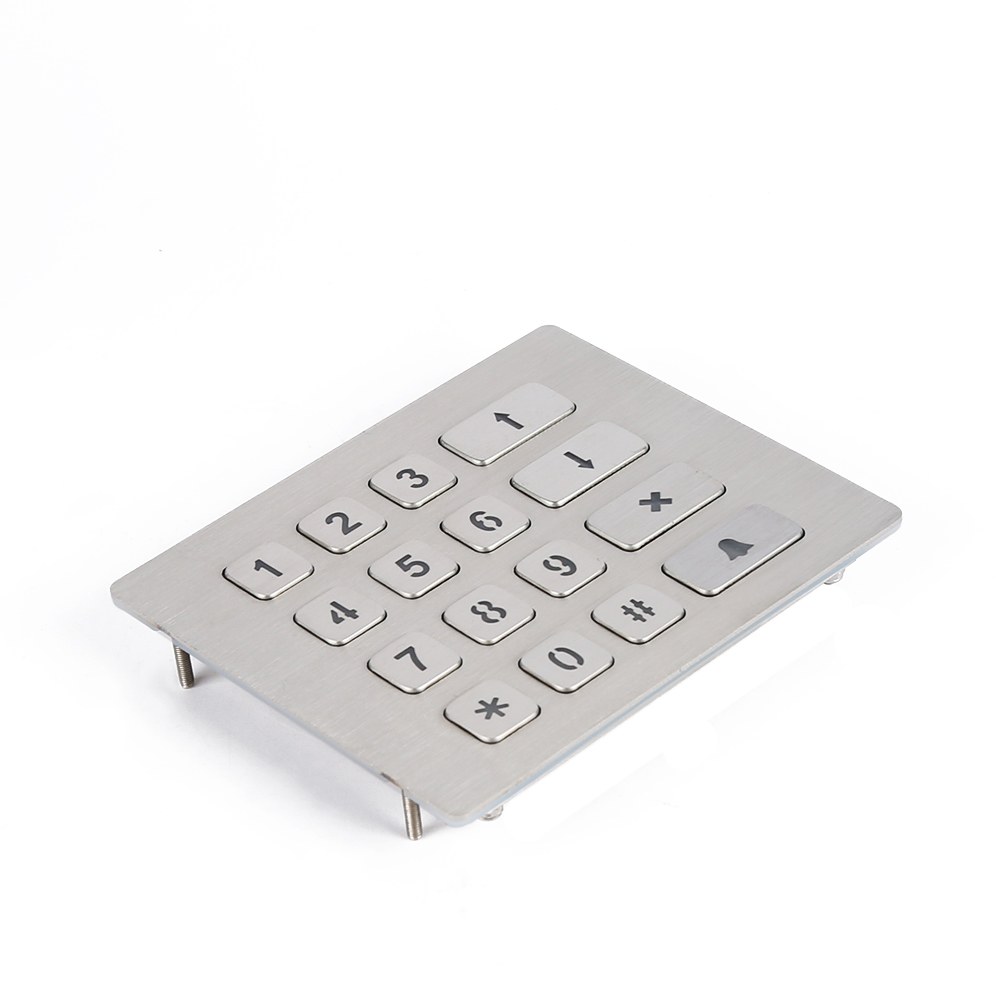
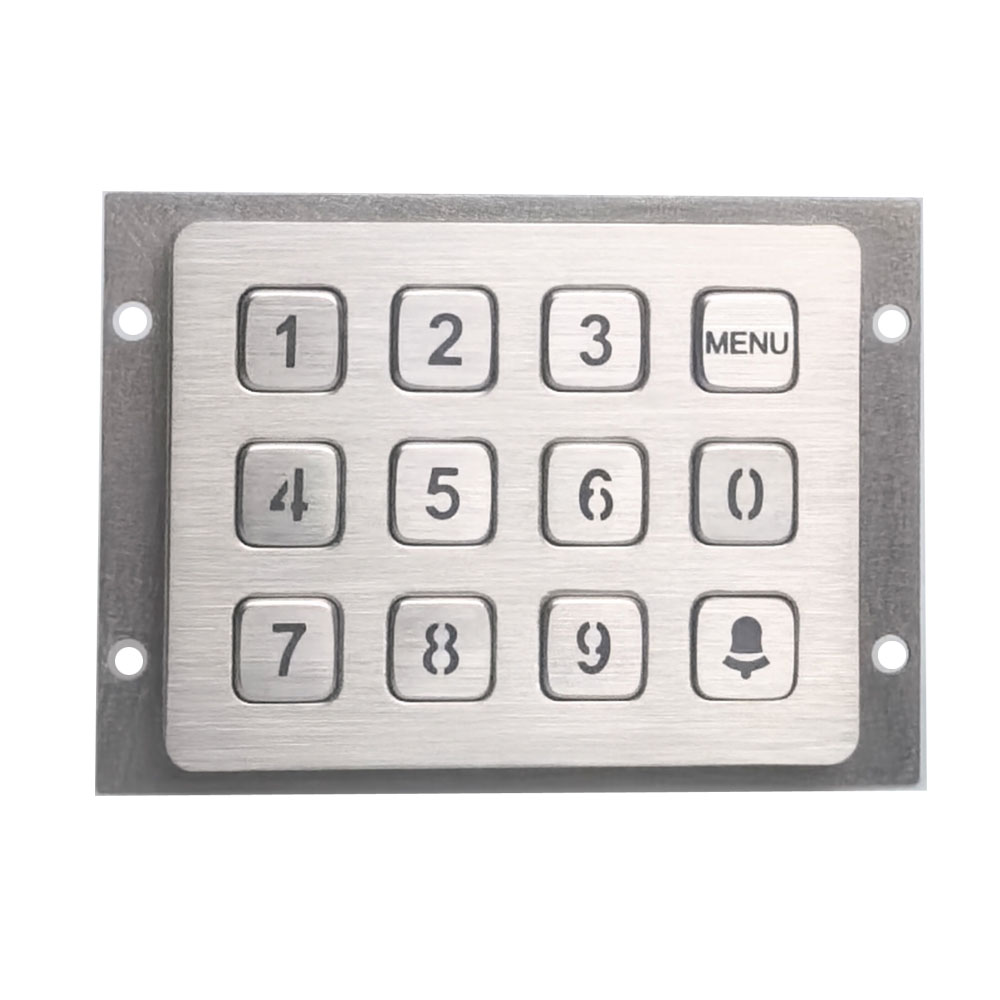
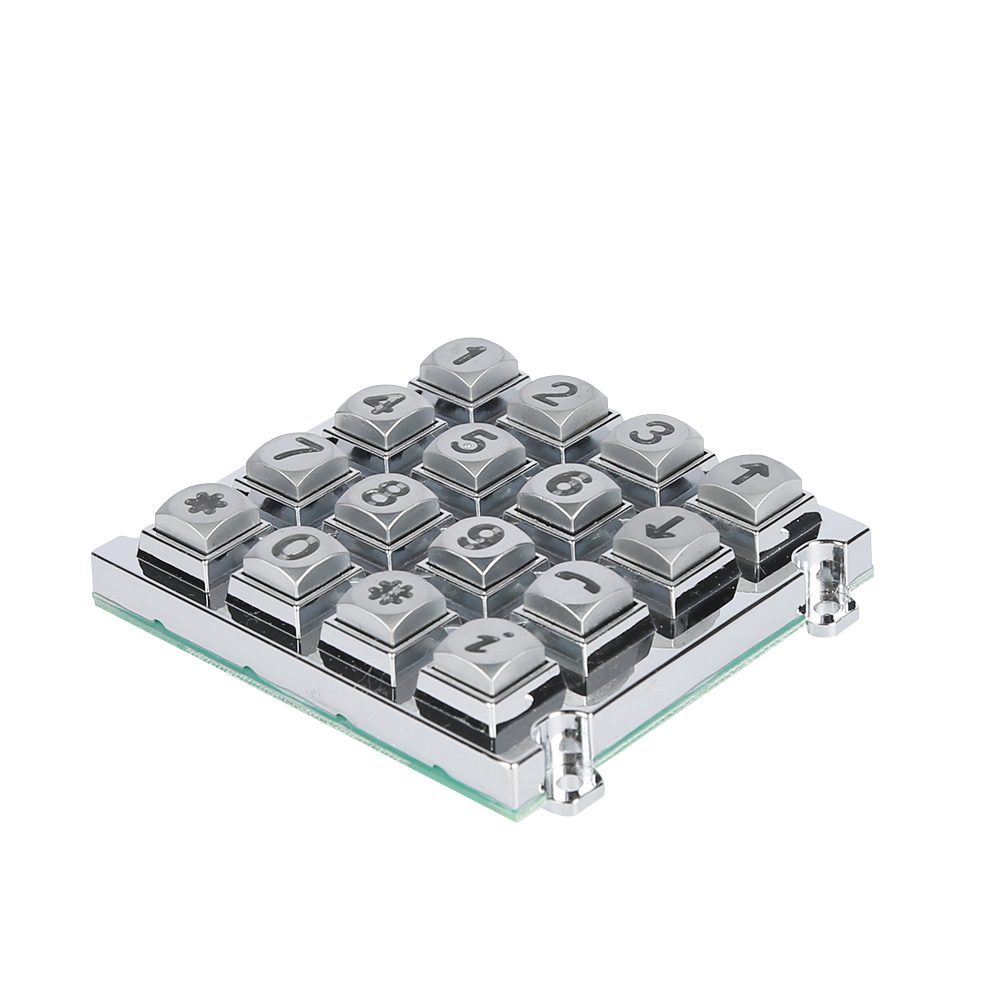
Keypado manufactures rugged metal keypads for application categories. Access control systems, lockers, vending machines, and fuel dispensers — where CE compliance is a baseline market-entry requirement across Europe. These aren’t niche edge cases. They’re among the most common OEM deployment environments on the continent.
Get a Custom Metal Keypad Quote From Keypado
What Applications Require CE-Marked Metal Keypads?
Any metal keypad integrated into equipment sold in European markets needs CE marking. Access control panels, self-service kiosks. Fuel dispensers all fall under applicable EU directives, making compliance non-negotiable for OEMs targeting those sectors.
Does International Reach Make CE Compliance More Important?
Keypado’s products serve clients across more than 30 countries. Means the OEM customer base regularly navigates multiple compliance frameworks simultaneously. CE marking is one of the most widely recognized conformity marks globally. Achieving it often simplifies entry into additional regulated markets beyond Europe.
- Access control systems — CE required for EU deployment
- Vending and fuel dispensers — covered under relevant EU directives
- Industrial lockers and kiosks — same baseline compliance applies
Which EU Directives Apply to Metal Keypad Factories?
Metal keypad CE requirements center on two primary EU directives: the Low Voltage Directive (LVD) and the Electromagnetic Compatibility (EMC) Directive. Metal keypads that connect to electronic equipment via USB, PS/2, or matrix interfaces fall squarely under both frameworks.
Here’s a quick breakdown of which directive covers what:
Does backlighting affect which directives a keypad must meet?
Yes — and this is where many OEM engineers get caught off guard. Keypads featuring backlighting or other active electronic components must demonstrate EMC compliance. Without it, the keypad risks causing interference in the very systems it’s built into. Becoming vulnerable to interference from nearby equipment.
How does an IP rating connect to CE certification?
An IP rating isn’t just a marketing claim — it’s a testable, documented result. Keypads rated IP65 or higher undergo IEC 60529 testing. That test data feeds directly into the technical documentation as evidence of environmental protection performance. Factories that skip this step produce incomplete documentation, which stalls market entry.
Keypado builds IP65+ sealed keypads and supports the full technical documentation process, including interface-specific compliance for USB and matrix outputs. For OEMs targeting EU markets, that factory-level groundwork removes a significant certification bottleneck before the product ever reaches a notified body.
What Technical Documentation Does CE Compliance Require?
Metal keypad CE requirements center on a core set of documents that manufacturers must assemble, maintain, and present to EU authorities on request. The Technical Construction File (TCF) is the foundation — and without a complete, accurate TCF, a product cannot legally carry the CE mark.
A complete TCF typically includes:
- Product specifications — detailed drawings, materials, and component data
- Test reports — results from EMC, electrical safety, and any applicable environmental testing
- Risk assessments — documented analysis of potential hazards and how the design addresses them
- Declaration of Conformity — the manufacturer’s formal statement that the product meets all relevant EU directives
Every one of those elements needs to be traceable back to real engineering data. That’s where the documentation process gets tricky for OEMs working with unfamiliar suppliers.
Get a Custom Metal Keypad Quote From Keypado
How Does ISO 9001 Certification Support a CE Technical File?
ISO 9001 certification gives a manufacturer’s quality system the structure that CE documentation demands. Keypado’s ISO 9001 certification and batch inspection reports create the traceability backbone that regulators expect. Each production run is documented, inspected. Recorded in a way that maps directly onto the evidence requirements inside a TCF.
Batch inspection reports aren’t just internal paperwork. They’re the audit trail that proves consistent quality across long-term OEM deployments.
Does Factory-Direct Engineering Support Help With CE Documentation?
Getting the design specifications right from day one is critical. Keypado’s factory-direct engineering support — including free CAD review — helps OEM clients document product geometry, materials, and interface configurations accurately before production begins. Accurate design records are the starting point for every other document in the TCF. Skipping that step early means expensive corrections later, often after testing has already begun.
How Does Metal Construction Affect CE Testing Outcomes?
Metal keypad CE requirements are easier to satisfy when the device’s physical construction does the heavy lifting before formal testing even begins. Stainless steel and zinc alloy housings provide inherent electromagnetic shielding, reducing radiated emissions at the source and simplifying the EMC portion of CE conformity work.
Metal construction touches three distinct areas of CE compliance:
- EMC shielding — Stainless steel and zinc alloy enclosures naturally contain electromagnetic interference, which means radiated emissions are lower going into the test chamber. That head start reduces the risk of costly re-testing.
- Mechanical durability evidence — Vandal-resistant metal keys rated for millions of presses generate the kind of real-world durability data that CE technical documentation for industrial-grade input devices requires. Numbers matter in a technical file.
- Ingress protection — IP65+ sealing, verified through standardized testing, directly supports CE conformity claims under product safety and environmental protection directives.
Each of these factors compounds. A device that passes IP65+ testing, demonstrates mechanical longevity. Keeps emissions low arrives at the CE declaration stage with a much thinner list of open issues.
Why Does Enclosure Material Matter for EMC Testing?
Conductive metal enclosures act as a Faraday cage around internal electronics. Stainless steel and zinc alloy both conduct electricity. Electromagnetic energy generated by the keypad’s circuitry stays contained rather than radiating outward. Lower radiated emissions mean fewer corrective design cycles before a device clears EMC limits.
Does IP-Rated Sealing Count as CE Evidence?
IP-rated sealing is not just a marketing claim — standardized ingress protection tests produce documented, repeatable results. Those test reports become part of the CE technical file, giving notified bodies. Market surveillance authorities concrete proof that the device meets environmental protection requirements. Short test reports, strong compliance case.
How Can OEMs Streamline CE Compliance With Their Keypad Supplier?
Choosing a factory-direct keypad supplier dramatically simplifies the CE compliance process for OEMs. The right manufacturing partner provides direct access to engineering documentation, pre-production test units. A proven quality track record — three things that CE technical files demand.
Get a Custom Metal Keypad Quote From Keypado
Does Working Factory-Direct Actually Speed Up CE Documentation?
Working directly with a manufacturer like Keypado eliminates the intermediary layer that typically slows down documentation requests. Engineering teams are reachable without a middleman, which means OEMs get the CAD files, material declarations. Design records needed to build a complete CE technical file faster. No markup, no delay, no telephone game.
Can Low-MOQ Sampling Help OEMs Meet CE Type-Testing Requirements?
Pre-production testing is a non-negotiable step in CE certification. Fast sampling and low minimum order quantities let OEMs obtain physical units early. Before full production volumes are committed — so those units go straight into type-testing. Skipping this step means discovering compliance gaps after tooling is locked, which is an expensive mistake.
Here’s a quick look at how supplier characteristics map to CE compliance needs:
Keypado’s global deployment record signals that manufacturing processes already meet the consistency standards that underpin CE programs. That track record matters when auditors review a technical file.
So here’s the thing—CE compliance isn’t just a box to check off. It’s your factory’s commitment to building keypads that work reliably in real-world conditions, wherever your customers are. When you partner with a manufacturer who takes these standards seriously, you’re investing in products that earn trust and stand the test of time. That’s the foundation of a solid OEM relationship. It’s exactly what drives us to keep pushing for excellence in everything we build.
FAQ
Which EU directives apply to metal keypads sold in Europe?
Metal keypads fall under the Low Voltage Directive and the Electromagnetic Compatibility Directive, covering electrical safety. Electromagnetic interference for devices with USB or matrix outputs.
Why does missing CE marking matter for OEM buyers?
Missing CE compliance blocks product launches, triggers costly recalls. Damages relationships with end customers, making correct CE marking a baseline market-entry requirement.
Which application categories require CE-marked metal keypads?
Access control systems, vending machines, fuel dispensers, and industrial lockers all require CE marking for deployment in European markets.
 English
  Deutsch
  Français
  Polski
  Português do Brasil
  Español
  日本語
日本語  Русский
  العربية
  Italiano
  Nederlands
  Türkçe
  한국어
한국어