
Choosing the right metal keypad for industrial use ensures durability, reliable function and system compatibility. Rugged input devices matter across manufacturing, logistics and outdoor installations. This article outlines the key factors — durability, waterproofing, customization and more — so you can pick a keypad that boosts efficiency and improves user experience in tough environments.
How Does Durability Impact Your Choice of Metal Keypad?
Durability determines lifespan, maintenance costs and performance under pressure. Industrial keypads must resist extreme temperatures, moisture and physical impact, so selecting a model built for those conditions reduces downtime and lowers total cost of ownership.
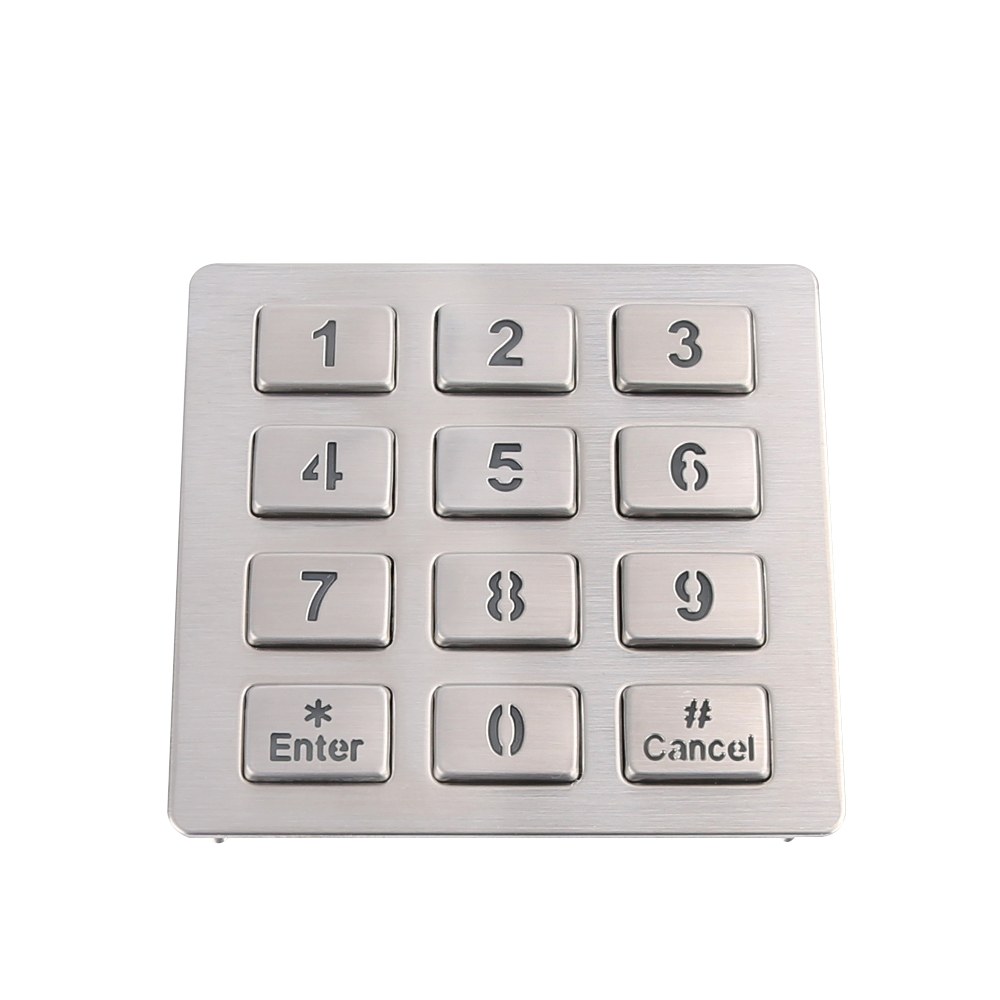
Get a Custom Metal Keypad Quote from Keypado
What Rugged Materials Ensure Long-lasting Metal Keypad Performance?
Rugged materials are central to longevity. Stainless steel and zinc alloy are common choices that deliver strength and wear resistance.
Material properties shape durability, cost and maintenance. Stainless steel may cost more initially but often lowers long-term replacement needs caused by rust and damage.
Why Is Vandal Resistance Important for Industrial Keypads?
Vandal resistance matters in high-traffic or public locations. Hardened surfaces and reinforced key switches add protection against abuse.
Investing in vandal-resistant designs reduces repair costs and downtime. Evaluate real-world use cases where heavy interaction occurs to determine how robust the construction must be.
How Do Waterproof and IP Ratings Affect Metal Keypad Selection?
Waterproofing and IP ratings are critical when a keypad will face moisture or dust. IP ratings describe how well a device resists solids and liquids.
What Do IP65, IP67, and Other Ratings Mean for Metal Keypads?
IP ratings use two digits: the first covers protection from solids, the second from liquids. IP65 means dust-tight and protected against low-pressure sprays; IP67 allows brief immersion up to 1 meter.
For factory floors or outdoor installs, choose a higher IP rating to ensure dependable long-term performance where exposure to the elements is frequent.
How Does Waterproof Design Enhance Keypad Reliability in Harsh Environments?
Waterproof design prevents moisture from reaching electronic components and causing shorts or failures. Proper seals and suitable materials extend service life.
In harsh industrial settings, waterproofing guards against contamination and reduces the risk of operational failures, keeping performance consistent.
What Customization Options Should You Consider for Metal Keypads?
Custom options improve usability and the device’s visual fit for specific applications. Customization can include layout changes, backlighting and other features tailored to operational needs.
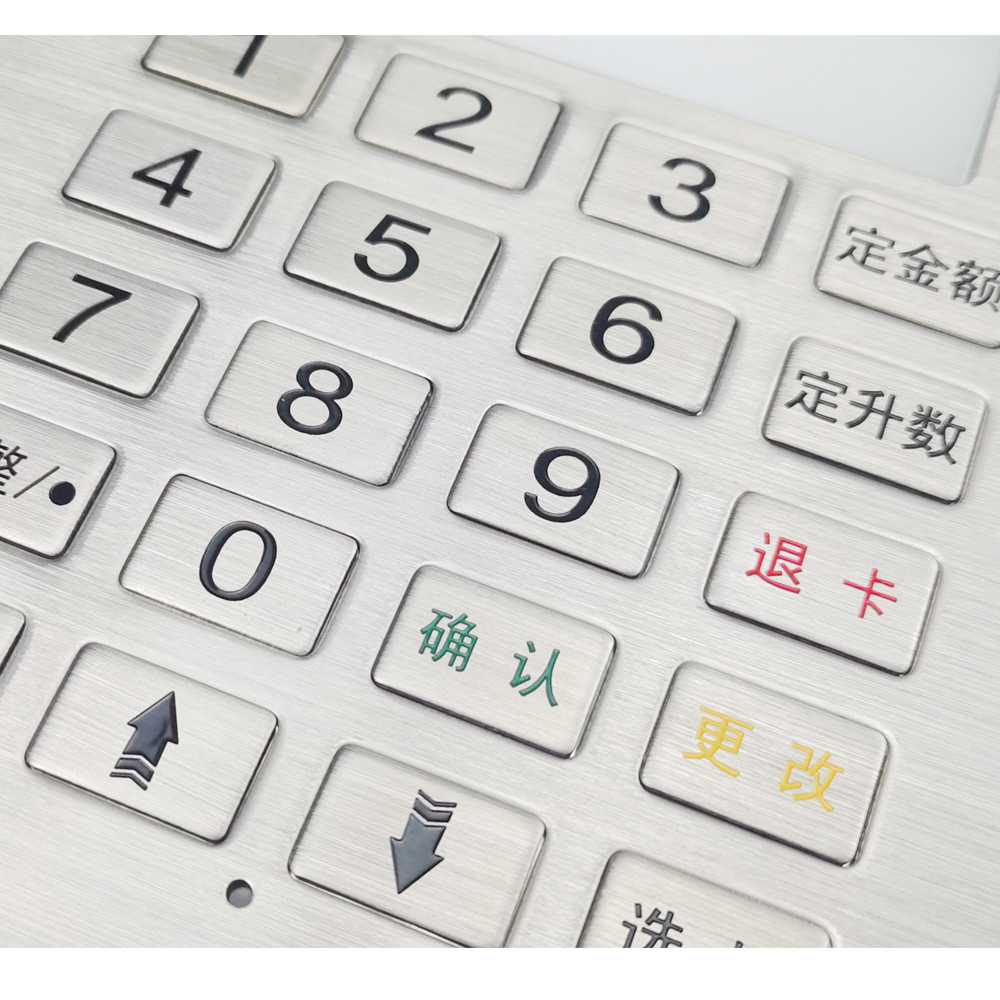
Get a Custom Metal Keypad Quote from Keypado
How Can Layout and Backlighting Be Tailored to Your Industrial Application?
Custom layouts place frequently used keys within easy reach and can add specialised functions for specific tasks. Backlighting improves visibility in low light and can indicate status or alerts.
These features raise efficiency and reduce training time for staff unfamiliar with standard layouts.
What Mounting Styles Are Available for Rugged Metal Keypads?
Choose a mounting style that matches durability and access needs. How a keypad is mounted affects interaction with its environment and how it’s serviced.
- Panel Mount: Provides a flush fit integral to control panels, ideal for permanent installations.
- Front Mount: Enables easy access and maintenance, suitable for more transient setups.
- Embedded Structures: Ideal for integration into kiosks or specialized machinery where space is limited.
Understanding these options helps you select the mount that best fits your environment, improving performance and usability.
How Do Tactile Feedback and Integration Requirements Influence Metal Keypad Choice?
Tactile feedback affects user speed and accuracy. Keypads offer mechanical or capacitive feedback, each with distinct trade-offs depending on the operating environment.
What Types of Tactile Feedback Are Offered: Mechanical vs Capacitive?
- Mechanical Keypads: Offer significant tactile feedback and reliability, conducive to heavy-duty industrial usage.
- Capacitive Keypads: Provide a sleek design with a responsive interface; ideal where spillage might occur, since they tend to resist environmental contaminants better.
Choose the type that matches your functional needs and the conditions where the keypad will operate.
Which Electrical Specifications Ensure Smooth Integration with Equipment?
Electrical specifications are key to smooth integration — check voltage compatibility, interface type and communication protocols before buying.
Ensuring that your selected keypad meets these specs prevents integration problems and keeps systems communicating reliably.
High-quality metal keypads can improve industrial operations; making informed choices based on these considerations supports optimal performance.
How to Select A Metal Keypad | FAQs
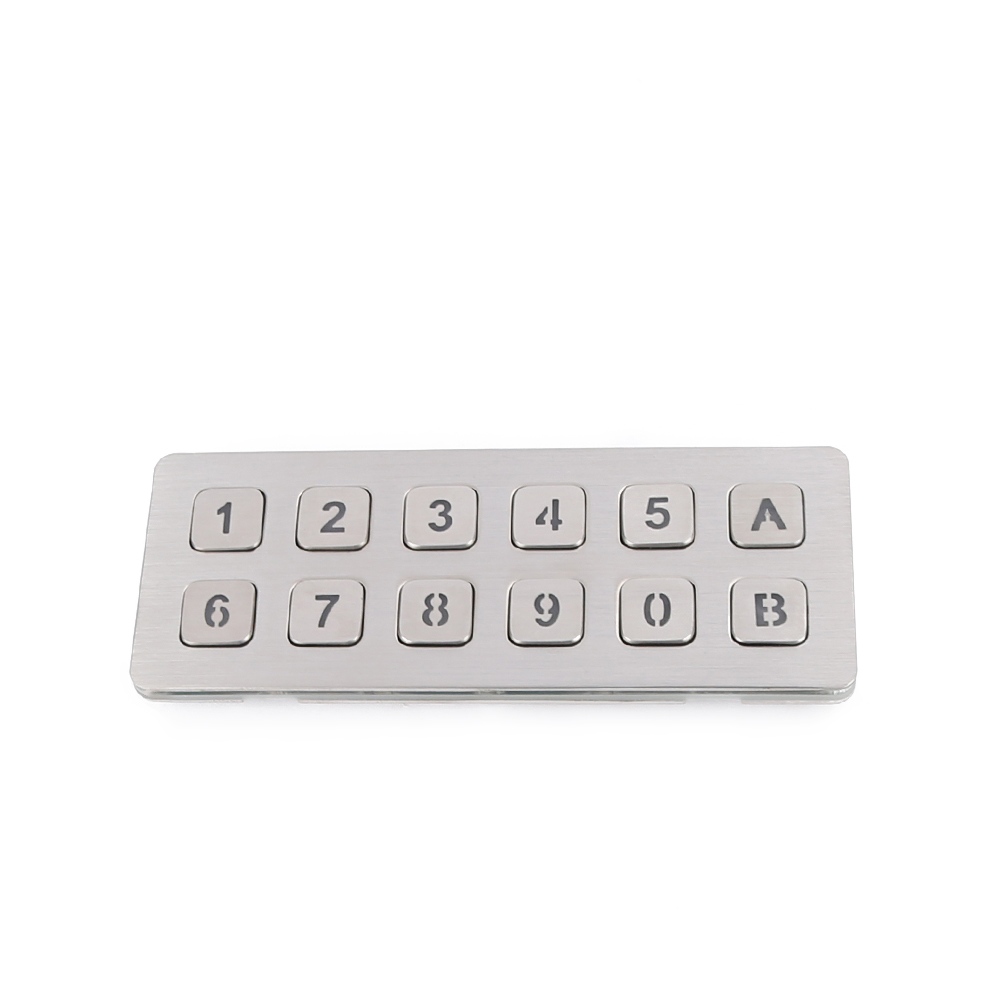
Get a Custom Metal Keypad Quote from Keypado
What industries benefit from using metal keypads?
Metal keypads work well in manufacturing, logistics and outdoor applications. Their rugged materials and designs withstand factory floors, warehouses and kiosks, improving uptime and reliability.
How does the customization of metal keypads contribute to oprational efficiency?
Customizing layouts or adding functions speeds tasks and cuts training time. Backlighting aids low-light operation. Tailoring the keypad aligns it with specific job needs and workflows.
Why should a waterproof metal keypad be prioritized in industrial applications?
Waterproof keypads protect internal components from moisture that can cause shorts or failures. They lower contamination risk and reduce maintenance, saving costs over time.
What are the advantages of using tactile feedback in metal keypads?
Tactile feedback confirms presses without visual checks, speeding input and reducing errors. Mechanical keypads suit heavy-duty use, while capacitive models offer sensitivity and better resistance to spills.
How can mounting styles affect the usability of metal keypads?
Mounting affects stability, access and space usage. Panel mounts offer a permanent, stable fit; front mounts ease maintenance; embedded mounts save space while remaining responsive.
What role do electrical specifications play in selecting metal keypads?
Electrical specifications ensure compatibility with existing machinery. Voltage, interfaces and protocols must match to avoid disruptions. Verify specs during selection to maintain system performance.
Conclusion
Choosing the right metal keypad improves durability, functionality and cost-effectiveness in demanding settings. Prioritise durability, waterproofing, customization and suitable mounting to reduce maintenance and meet operational needs. Explore our selection of rugged metal keypads to find the right fit and boost your facility’s efficiency and reliability.
 English
  Deutsch
  Français
  Polski
  Português do Brasil
  Español
  日本語
日本語  Русский
  العربية
  Italiano
  Nederlands
  Türkçe
  한국어
한국어