
Installing a metal keypad for access control or industrial equipment requires the right approach to preserve function and lifespan in harsh conditions. This guide provides concise steps, necessary tools and materials, and basic troubleshooting so your keypad performs reliably in demanding environments.
What Tools and Materials Are Needed for Metal Keypad Installation?
Successful installs use proper tools and durable materials suited to industrial settings. The correct mounting hardware and reliable wiring parts make installation smoother and extend service life.
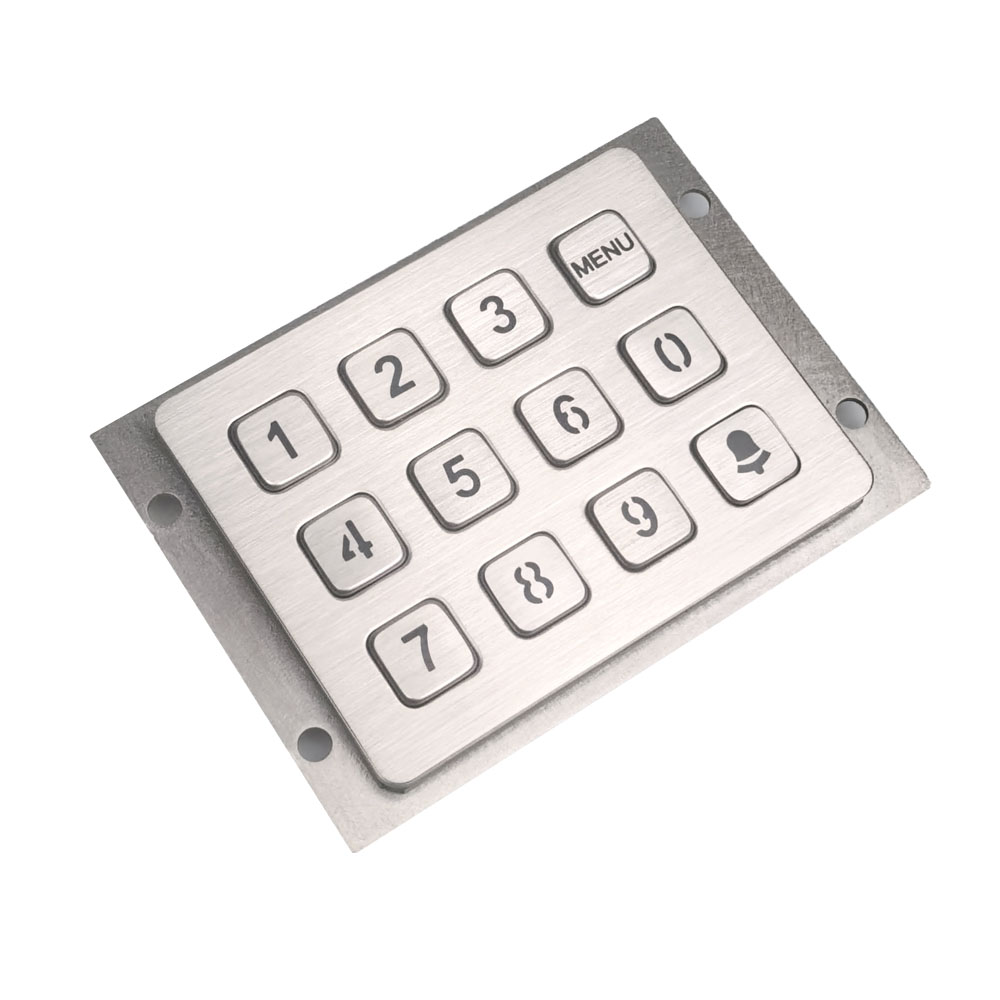
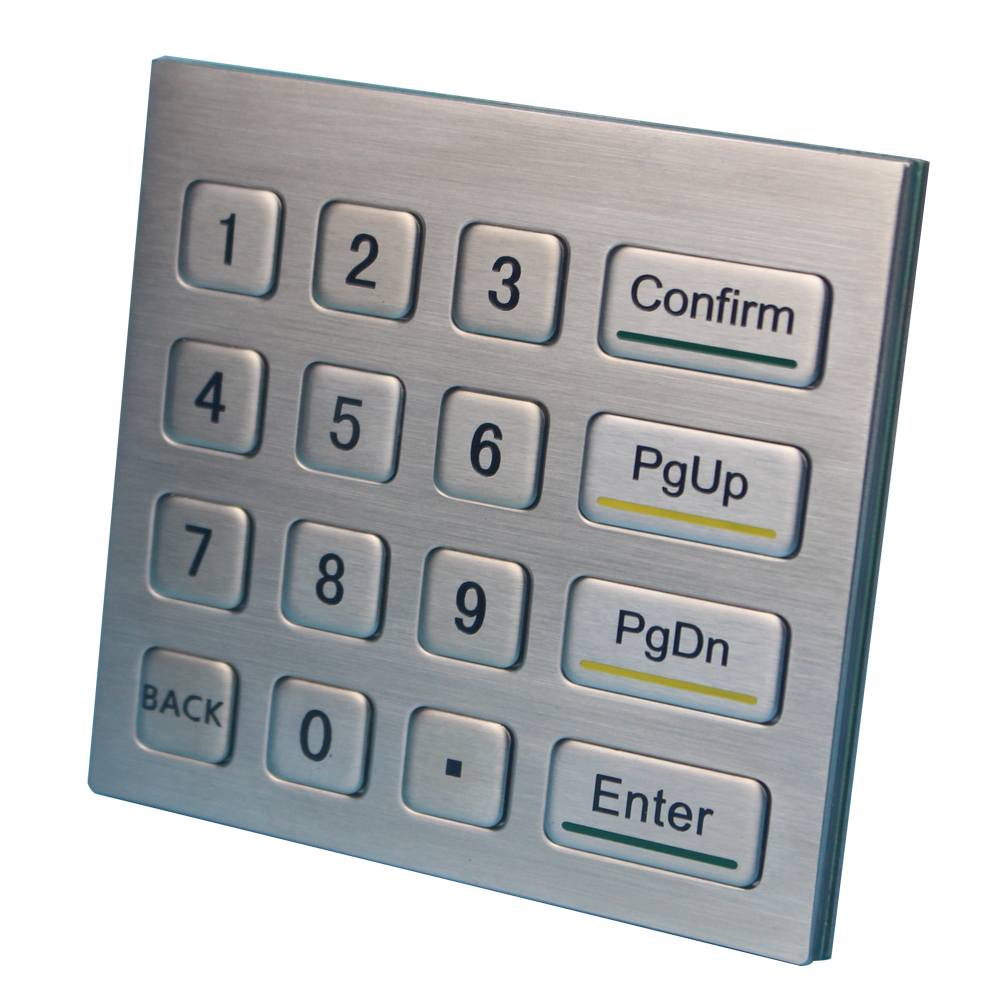
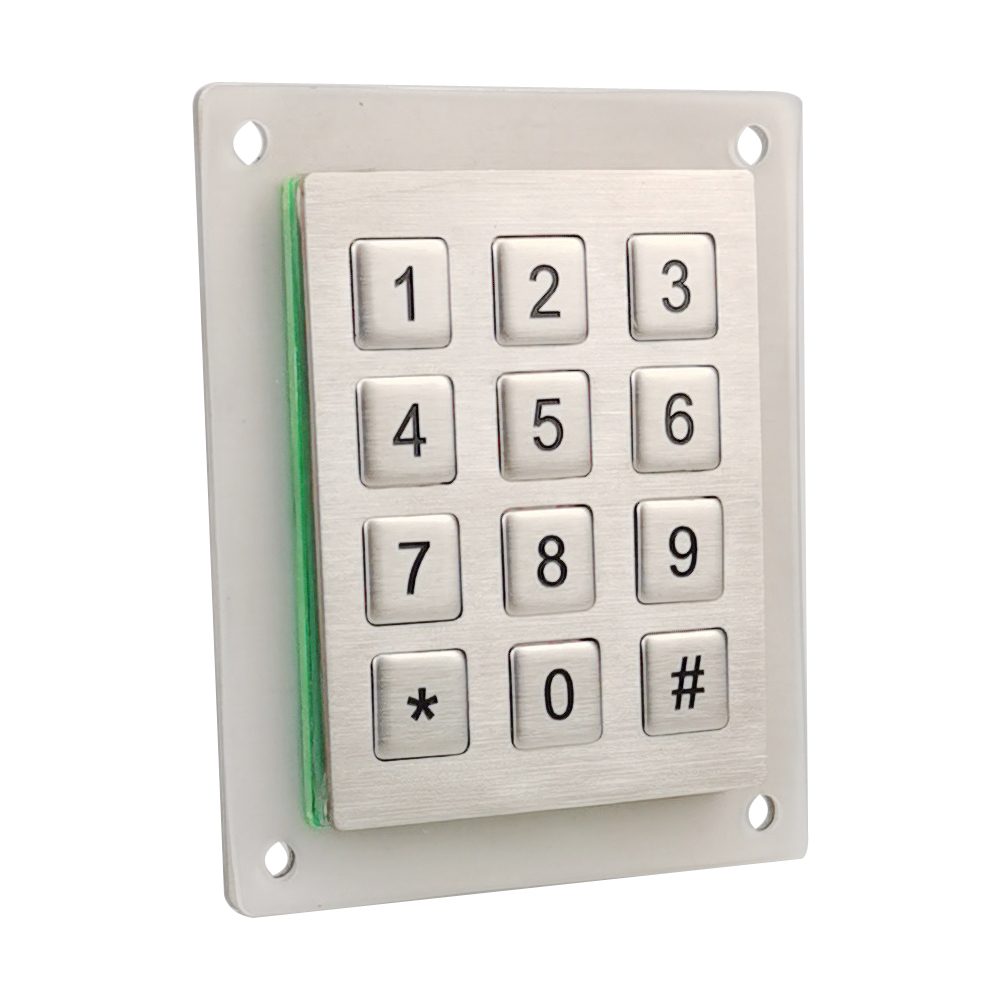
Keypado specializes in durable industrial keypads built to withstand harsh environments. Their metal keypad line is designed for long-lasting use in access control systems, kiosks, vending, and industrial equipment.
Get a Custom Metal Keypad Quote from Keypado
Which Tools Are Essential for Mounting and Wiring?
Essential tools for mounting and wiring a metal keypad include:
- Drill: For pilot holes for screws or anchors.
- Screwdriver: For fastening screws to the mounting surface.
- Wire Strippers: For preparing wiring and removing insulation cleanly.
These basic tools help ensure a sturdy installation and reliable operation.
What Materials Ensure Durable and Weatherproof Installation?
Choosing corrosion-resistant materials and proper seals improves durability and weatherproofing:
- Stainless Steel Housing: Resists corrosion and physical damage.
- Zinc Alloy Keypad: Vandal-resistant for high-traffic areas.
- Sealing Gaskets: Prevent moisture ingress and protect internal components.
Use robust housings, quality keypad alloys, and proper gaskets to help your installation withstand weather and wear.
How Do You Mount a Metal Keypad on Industrial Panels?
Mounting a metal keypad requires accurate placement and secure fastening to protect internal components and resist vibration or impact.
What Are the Steps to Securely Attach a Metal Keypad?
To securely attach a metal keypad, follow these steps:
- Prepare the Mounting Surface: Ensure it is clean and structurally sound.
- Position the Keypad: Align the keypad and use a level to verify placement.
- Drill Holes: Drill holes for screws or anchors per the keypad’s specifications.
- Secure the Keypad: Fasten screws through mounting holes; avoid overtightening.
- Check for Stability: Verify the unit is secure and has no excessive movement.
Careful positioning and correct fastening reduce wear and mounting failures.
How to Ensure Weatherproof Sealing and Stability?
Weatherproofing is crucial for outdoor or exposed installations. To seal effectively:
- Use Weatherproof Gaskets: Fit gaskets around the keypad to block water at joints.
- Apply sealant: Use silicone sealant around edges after mounting for extra protection.
- Inspect Sealing Regularly: Check seals, especially after severe weather.
Gaskets, a quality sealant, and routine inspections reduce moisture problems and extend outdoor life.
What Are the Best Practices for Industrial Metal Keypad Wiring?
Correct wiring and adherence to safety standards are essential for reliable operation in industrial environments.
Get a Custom Metal Keypad Quote from Keypado
How to Connect Wiring Safely for Access Control Systems?
When connecting wiring:
- Turn Off Power Supply: Shut off electrical sources before working.
- Identify Wire Types: Label wires for clear, correct connections.
- Secure Connections: Use wire nuts or approved connectors and verify each joint.
These steps reduce shock risk and prevent loose connections once power is restored.
What Are Common Wiring Errors and How to Avoid Them?
Avoid these common wiring mistakes:
- Incorrect Wire Connections: Double-check wiring against the installation guide.
- Neglecting Proper Insulation: Insulate all wiring to prevent shorts.
- Ignoring Grounding: Proper grounding improves safety and performance.
Verify connections, insulate exposed conductors, and ensure grounding to reduce failures and maintenance.
How Can You Troubleshoot Common Installation Issues Quickly?
Troubleshooting promptly saves operating time and prevents extended outages.
What Are Typical Symptoms of Keypad Installation Problems?
Common signs include:
- Unresponsive Keypad: May indicate wiring or power issues.
- Intermittent Operation: Often due to loose connections or grounding problems.
- Moisture Damage Signs: Corrosion or malfunction from poor sealing.
Early detection lets you restore operation quickly and avoid longer outages.
How Do You Resolve Frequent Mounting and Wiring Errors?
To resolve issues:
- Re-assess Mounting Stability: Tighten or replace mounting hardware if loose.
- Verify Wiring Connections: Recheck and secure all electrical connections.
- Inspect for Damage: Replace visibly damaged parts that could affect function.
Apply these fixes promptly to restore stability and electrical reliability, minimizing downtime.
If you require further assistance or specialized industrial keypad solutions, please do not hesitate to contact us. Our team provides expert support for access control and industrial equipment needs.
How to Install a Metal Keypad | FAQs
Get a Custom Metal Keypad Quote from Keypado
What maintenance is required for a metal keypad after installation?
Perform routine checks: tighten screws, inspect and replace worn gaskets, clean with mild cleaners to prevent corrosion, and test keys and electrical function regularly to catch small problems early.
Can a metal keypad be installed outdoors, and what factors should be considered?
Yes. For outdoor use, consider water exposure, temperature changes, and impact. Choose weather-rated, corrosion-resistant materials, use proper sealing (gaskets and sealant), and check seals after severe weather.
How does a metal keypad compare to other types of keypads for industrial settings?
Metal keypads typically outlast plastic or rubber options. Stainless steel and zinc alloy constructions resist impacts, corrosion, and vandalism better and often provide waterproof and dustproof protection, reducing replacement frequency.
Are there specific safety standards for wiring a metal keypad?
Yes. Follow relevant electrical codes—such as the National Electrical Code (NEC)—and local regulations. Use correct wire gauge, tighten and insulate connections, and ensure proper grounding to meet safety and reliability requirements.
What troubleshooting steps should be taken if the keypad is unresponsive?
Confirm the power supply is connected and live, check wiring for loose or damaged conductors, verify keypad settings and programming, and test continuity with a multimeter. If problems persist, consider replacement parts or professional inspection.
What accessories or add-ons can enhance the functionality of a metal keypad?
Useful add-ons include backlit keys for low-light use and tamper switches for added security. Integrations with RFID or biometric readers expand functionality, and firmware or software updates can add features and improve compatibility.
Conclusion
Correct installation improves security and extends the service life of metal keypads in demanding settings. Use the right tools, materials, and procedures to reduce failures and maintenance. For better industrial access systems, choose high-quality metal keypads and explore available options to find the right fit.
 English
  Deutsch
  Français
  Polski
  Português do Brasil
  Español
  日本語
日本語  Русский
  العربية
  Italiano
  Nederlands
  Türkçe
  한국어
한국어