
Most metal keypad deployments require at least IP65 — full dust protection plus resistance to water jets. Harsh environments like fuel dispensers, vending machines, and access control panels demand higher ratings. Keypado supplies vandal-resistant metal keypads with IP-rated sealing, suitable for demanding industrial and outdoor applications.
Key Takeaways
IP ratings consist of two numbers: first digit rates dust protection from 0 to 6.
Second numeral in IP codes rates liquid protection on a separate numerical scale.
Metal keypads require appropriate IP ratings for industrial sites and harsh environment applications.
HMI interface designers must verify metal keypads meet specified IP rating requirements during design.
What Does an IP Rating Actually Mean?
An IP rating — short for Ingress Protection rating — measures how well electronic components resist dust and water intrusion. Every IP rating consists of exactly two digits, and each digit tells a different part of the protection story.
The standard behind these ratings has been around since 1976, when IEC 60529 was first published to consolidate all enclosure protection requirements into one unified document. Before that, separate standards existed for different equipment categories. That single framework is still the global benchmark today.
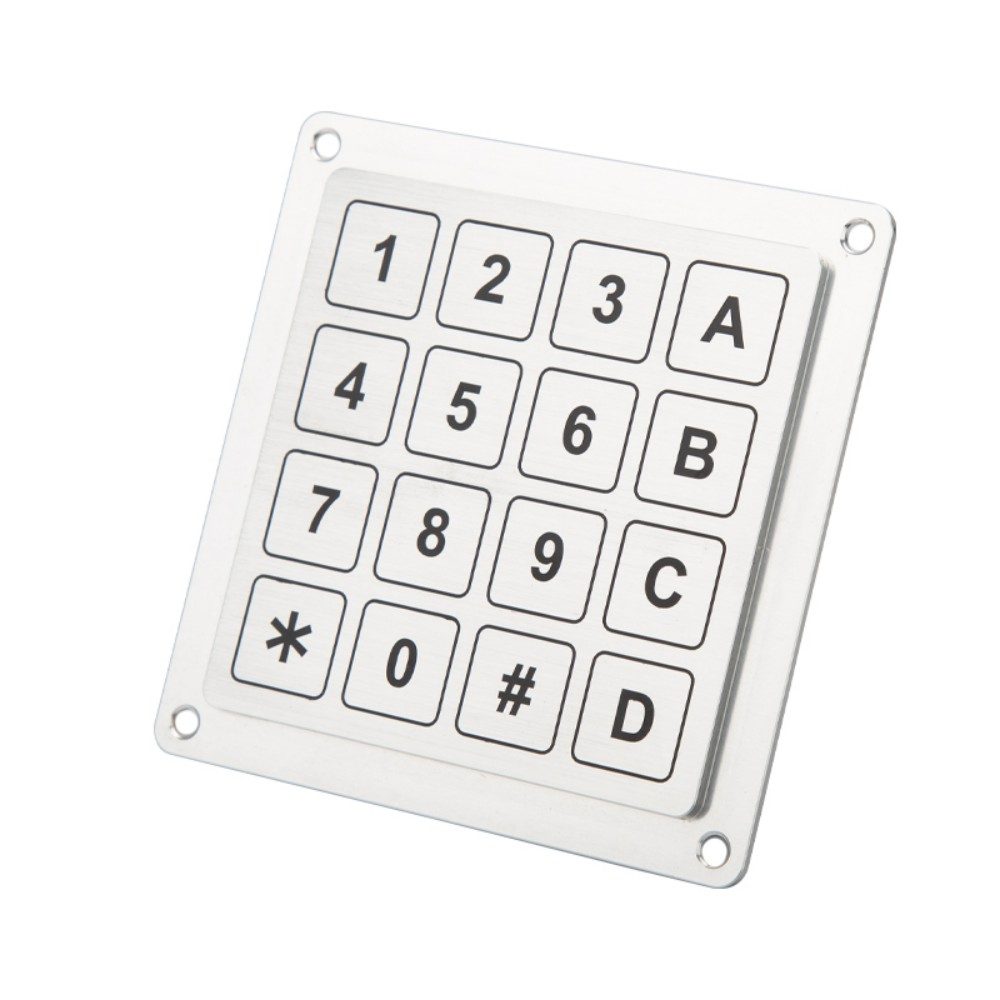
Get a Custom Metal Keypad Quote From Keypado
How do the two digits break down?
The first digit covers protection against solid objects — things like dust, grit, and debris. The scale runs from 0 (zero protection) to 6 (completely dust-tight, with no ingress of particles whatsoever). The second digit addresses liquid protection, running from 0 (no protection at all) to 9 (resistance against high-pressure hot water sprayed from multiple angles).
Why does the metal keypad IP rating matter for OEM equipment?
Choosing the wrong rating means components fail early — and field replacements are expensive. A keypad rated IP65, for example, offers full dust protection (first digit: 6) plus resistance to water jets (second digit: 5). OEM engineers use these two digits together to match a device’s protection level to the real-world conditions the equipment will face.
Why Does IP Rating Matter for Metal Keypads?
The metal keypad IP rating determines how well a keypad resists dust and water. And directly affects how long the device lasts in demanding environments. Choosing the wrong rating means premature failure, costly replacements, and equipment downtime that disrupts operations.
At the heart of every IP rating is a two-digit code. The first digit rates protection against solid particles like dust, on a scale from 0 (no protection) to 6 (fully dust-tight). The second digit covers liquid ingress, running from 0 (no protection) to 9 (high-pressure hot water resistance). A keypad rated IP65, for example, is fully dust-tight and protected against low-pressure water jets from any direction.
What Makes a Metal Keypad Physically Sealed?
Physical sealing is what separates a durable keypad from one that fails in the field. Sealing components like gaskets and O-rings form tight barriers that block dust and moisture from reaching internal electronics. Without these elements, even a metal housing offers limited protection against environmental ingress.
Which IP Rating Do Keypado’s Metal Keypads Carry?
Keypado’s metal keypads are sealed to IP65 or higher, making them suitable for environments where dust accumulation and water exposure are everyday realities. Applications like self-service kiosks and vending machines all benefit from this level of protection. Keypado’s vandal-resistant construction pairs that sealing with rugged metal housing. The keypad holds up against both environmental stress and physical abuse.
Key factors that determine a keypad’s protection level include:
Gaskets and O-rings that seal gaps around keys and connectors
Metal housing that resists corrosion and physical impact
IP65+ certification confirming dust-tight and water-jet resistance
Which IP Rating Is Right for Your Application?
The right metal keypad IP rating depends entirely on the environment where the device will operate. Industrial sites and access points exposed to harsh conditions demand higher protection levels. Choosing too low a rating risks premature failure and costly replacements.
Different deployments call for different thresholds. A keypad mounted inside a dry control room faces far less stress than one bolted to the side of a fuel dispenser in an outdoor lot. Matching the rating to the real-world environment is the practical starting point.
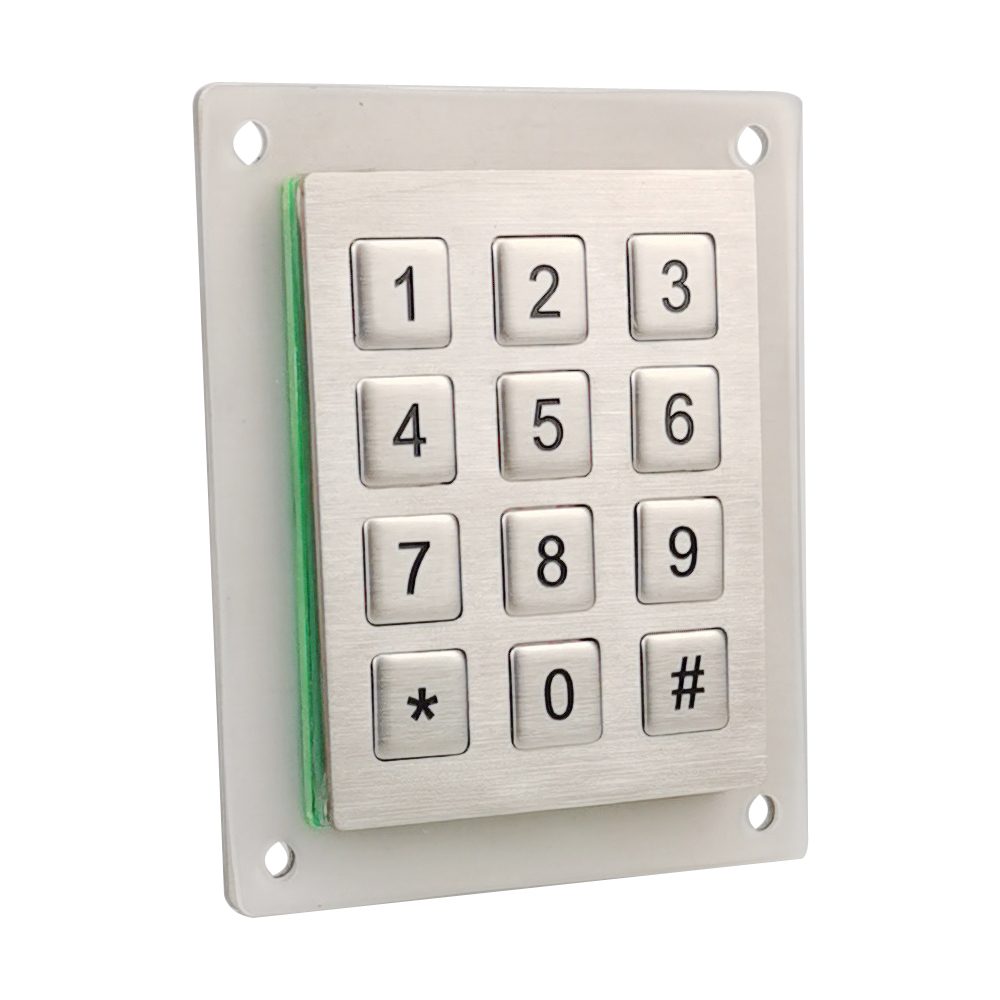
Get a Custom Metal Keypad Quote From Keypado
What does IP65 protect against?
Products rated IP65 resist water projected by a nozzle from any direction. That makes IP65 a solid fit for outdoor kiosks, vending machines. Access control panels where rain, cleaning sprays, or splashing are routine hazards. Dust ingress is fully blocked at this level too, which matters on factory floors and construction sites.
When is IP68 the better choice?
IP68-rated products handle continuous immersion in water — a much tougher standard. Environments like car-wash stations, marine terminals, or any installation where flooding is a realistic risk call for IP68. It’s the ceiling of liquid protection for most OEM deployments.
Here’s a quick reference for common applications:
Keypado supplies rugged metal input devices across all of these sectors. Access control systems, lockers, vending machines, fuel dispensers, ticketing terminals, self-service kiosks, and industrial control panels. Each environment carries its own ingress risks. Selecting the correct IP level from the start protects both the hardware and the OEM’s long-term reliability record.
How Does Metal Construction Improve IP Performance?
Metal keypad IP rating performance starts with the material itself. High-grade alloys and stainless steel deliver superior corrosion and wear resistance compared to plastic alternatives, giving the enclosure a structural foundation that supports tighter, longer-lasting seals.
Metal doesn’t just look tough — it performs tough. The rigid surface of stainless steel or zinc alloy resists deformation under impact. Means gaskets and O-rings stay compressed and seated correctly over time. A warped housing breaks the seal. A metal housing holds its shape.
What Role Do Coatings and Mounting Details Play in IP Protection?
Application-specific customization — including surface coatings and mounting details — directly affects how well a keypad maintains its rated protection in the field. A coating adds a chemical barrier against moisture and corrosive agents. Proper mounting prevents gaps where water or dust can sneak in around the edges. Both factors work alongside the base material to preserve the IP rating across the product’s service life.
How Long Do Metal Keypads Actually Last Under Heavy Use?
Keypado’s vandal-proof metal keys are engineered to withstand millions of presses. Matters in high-traffic deployments like kiosks, fuel dispensers, and access control panels. Durability at that scale isn’t accidental. It comes from combining robust materials with precision manufacturing tolerances that keep sealing surfaces intact press after press.
Keypado also offers custom layouts, interface options, and engraving on metal keypads. OEM clients can tailor the physical design without compromising the sealing integrity. Here’s the practical takeaway: metal construction doesn’t just improve IP performance at the moment of installation. Metal construction sustains that performance across years of demanding use.
How Do You Source the Right IP-Rated Keypad?
Sourcing a metal keypad IP rating that matches a specific application starts with finding a manufacturer that combines engineering depth with flexible production. Skipping that step means OEM teams risk costly redesigns, delayed launches, and field failures that damage end-customer trust.
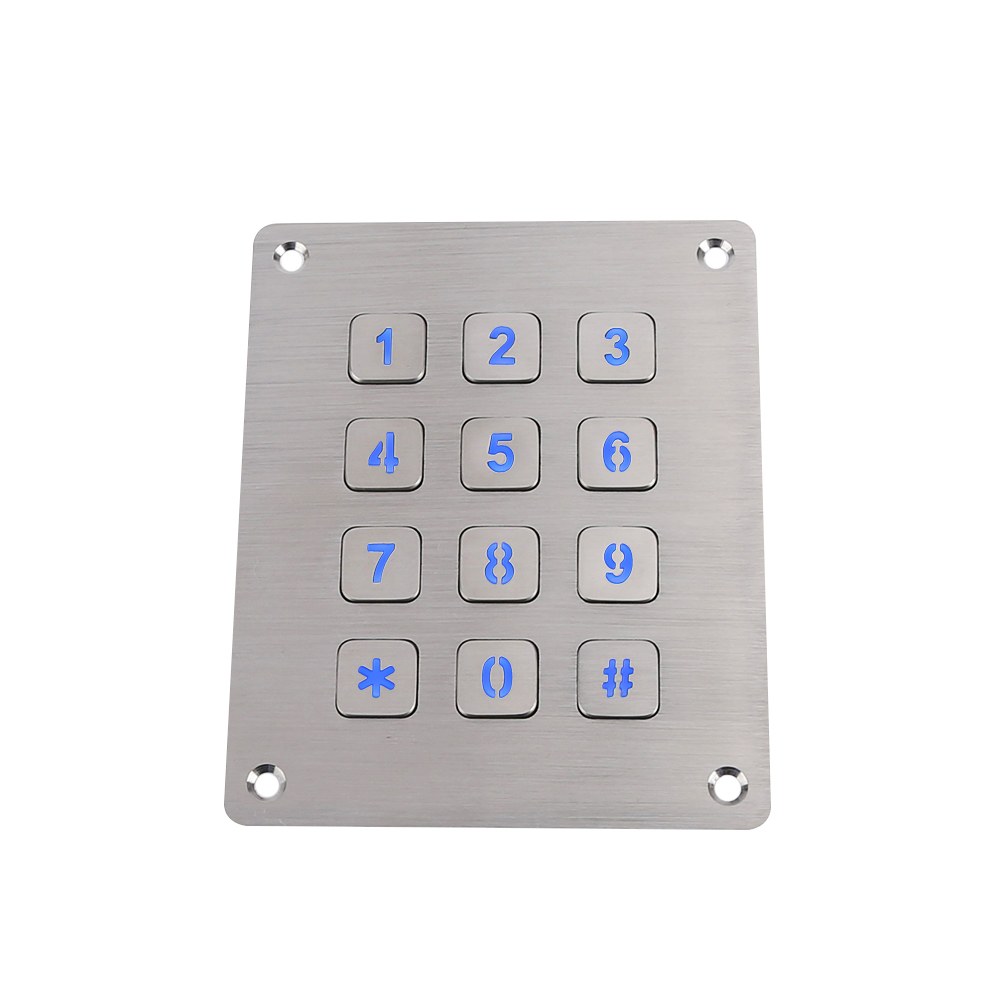
Get a Custom Metal Keypad Quote From Keypado
What Should OEMs Look for in a Keypad Supplier?
The right supplier brings three things together: factory-direct engineering support, verified quality systems, and production flexibility. Keypado offers factory-direct engineering support without intermediary markups. OEM engineers get direct access to the people actually building the product. That shortcut alone trims development cycles significantly.
Quality verification matters just as much as design support. Keypado backs every deployment with ISO 9001 certification and batch inspection reports. Documentation that procurement teams and end-customers can rely on across long production runs.
How Quickly Can OEMs Get a Sample?
Speed is often the deciding factor in a competitive product launch. Keypado supports pilot runs with low minimum order quantities and quick sample turnaround. That fast feedback loop lets engineering teams validate the IP rating, layout, and interface before committing to full production volumes.
Here’s a quick look at what a reliable sourcing checklist covers:
Factory-direct engineering support with free CAD review
ISO 9001 certification and batch inspection documentation
Low MOQ pilot runs with quick sample turnaround
Global reach backed by clients across more than 30 countries
Keypado’s combination of engineering access, quality controls. Flexible manufacturing makes it a practical starting point for OEMs specifying rugged input devices.
So here’s the thing—picking the right IP rating for your metal keypad really comes down to understanding your specific environment. What you’re asking that device to handle day in and day out. Whether you’re dealing with dust, moisture. Both, matching the rating to your actual conditions keeps your equipment running reliably and saves you headaches down the road. That’s the kind of thoughtful engineering that makes all the difference.
FAQ
What IP rating do most metal keypads need?
Most metal keypad deployments require at least IP65. Delivers full dust protection and resistance to water jets from any direction.
What do the two digits in an IP rating measure?
The first digit rates solid and dust protection on a scale from 0 to 6. The second digit rates liquid protection on a scale from 0 to 9.
What physically seals a metal keypad against dust and moisture?
Gaskets and O-rings form tight barriers that block dust. Moisture from reaching internal electronics, separating durable keypads from those that fail in the field.
 English
  Deutsch
  Français
  Polski
  Português do Brasil
  Español
  日本語
日本語  Русский
  العربية
  Italiano
  Nederlands
  Türkçe
  한국어
한국어