
Choosing the right IP (Ingress Protection) rating for metal keypads determines how well they resist dust and water and how long they last in different environments. The IP code is important for industrial sites and access points exposed to harsh conditions. Below we cover factors affecting durability, recommend ratings by application, and explain IP codes so you can select the right product.
Factors Influencing Durability and Protection
Durability depends on several elements. The keypad material—high-grade alloys or stainless steel—improves corrosion and wear resistance. Sealing features like gaskets and O-rings block dust and moisture. Application-specific customisation, such as coatings and mounting details, also affects how well a keypad holds up.
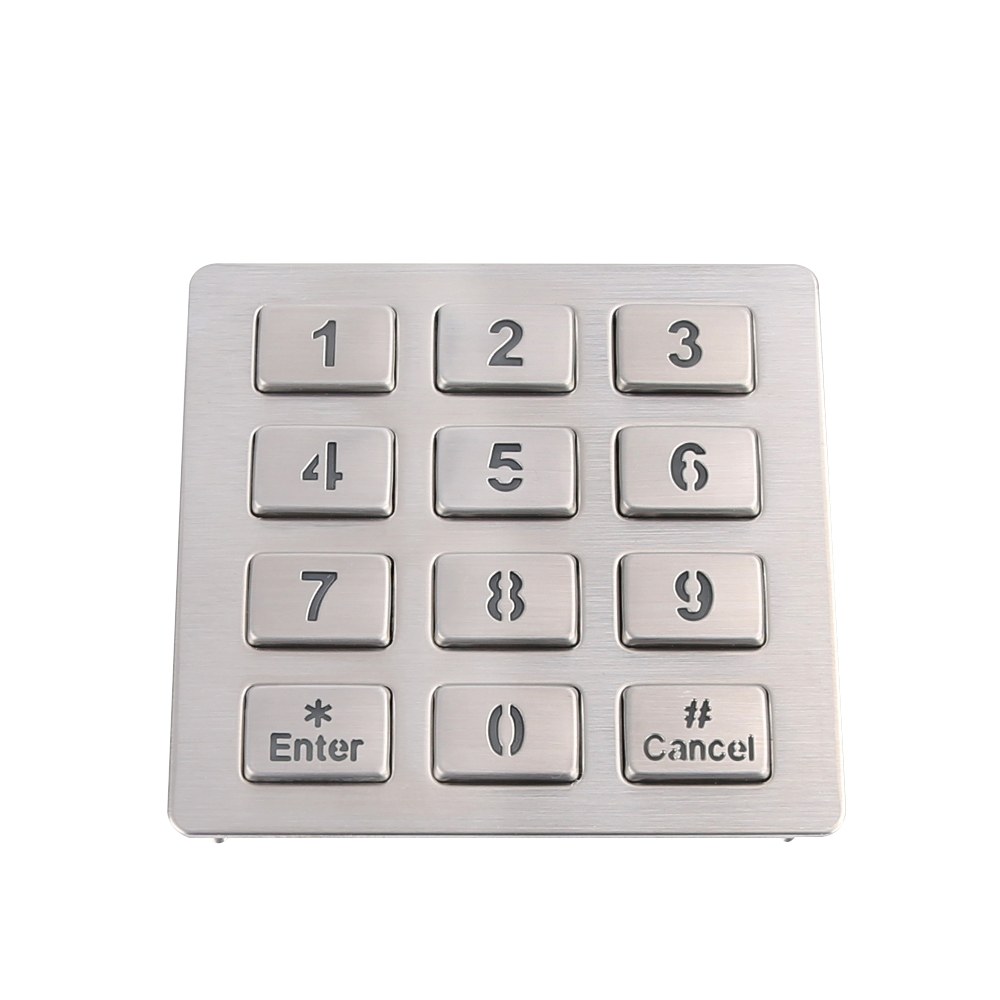
Get a Custom Metal Keypad Quote from Keypado
Industry Standards and Significance of IP Ratings
IP ratings measure how well enclosures protect electronics from solids and liquids, ranging from IP00 to IP69K. Each higher number denotes stronger protection, making the ratings essential for industrial uses where dust, water, and other hazards occur. Following these standards helps ensure keypads perform as intended in their environments.
Recommended Ratings for Different Applications
The right IP rating depends on where and how the keypad will be used.
What Does an IP Rating Tell You About Metal Keypads?
An IP rating has two digits: the first shows protection against solids like dust, and the second shows liquid protection. Matching the keypad’s rating to the environment ensures reliable operation.
IP65
IP65 means the keypad is dust-tight and resists low-pressure water jets from any direction—suitable for outdoor kiosks, factory control panels, and similar locations.
IP67
IP67 adds short-term immersion protection, typically up to 1 meter. Use IP67 keypads where rain, temporary submersion, or heavy splashing is likely, such as food processing areas and outdoor access points.
IP68
IP68 denotes continuous immersion protection at depths and durations set by the manufacturer. This rating fits applications demanding sustained waterproofing—like underwater controls or equipment used in extreme conditions.
How Are IP Ratings Defined for Industrial Keypads?
IP ratings follow IEC standards. The first digit ranges from 0 (no protection) to 6 (dust-tight); the second ranges from 0 (no protection) to 8 (protection against immersion under defined conditions). This standardised system helps manufacturers and users judge a keypad’s suitability for specific environments.
For a wide range of industrial-grade solutions, exploring metal keypad options is essential. These devices are engineered to withstand demanding environments, making them suitable for various applications where durability is paramount.
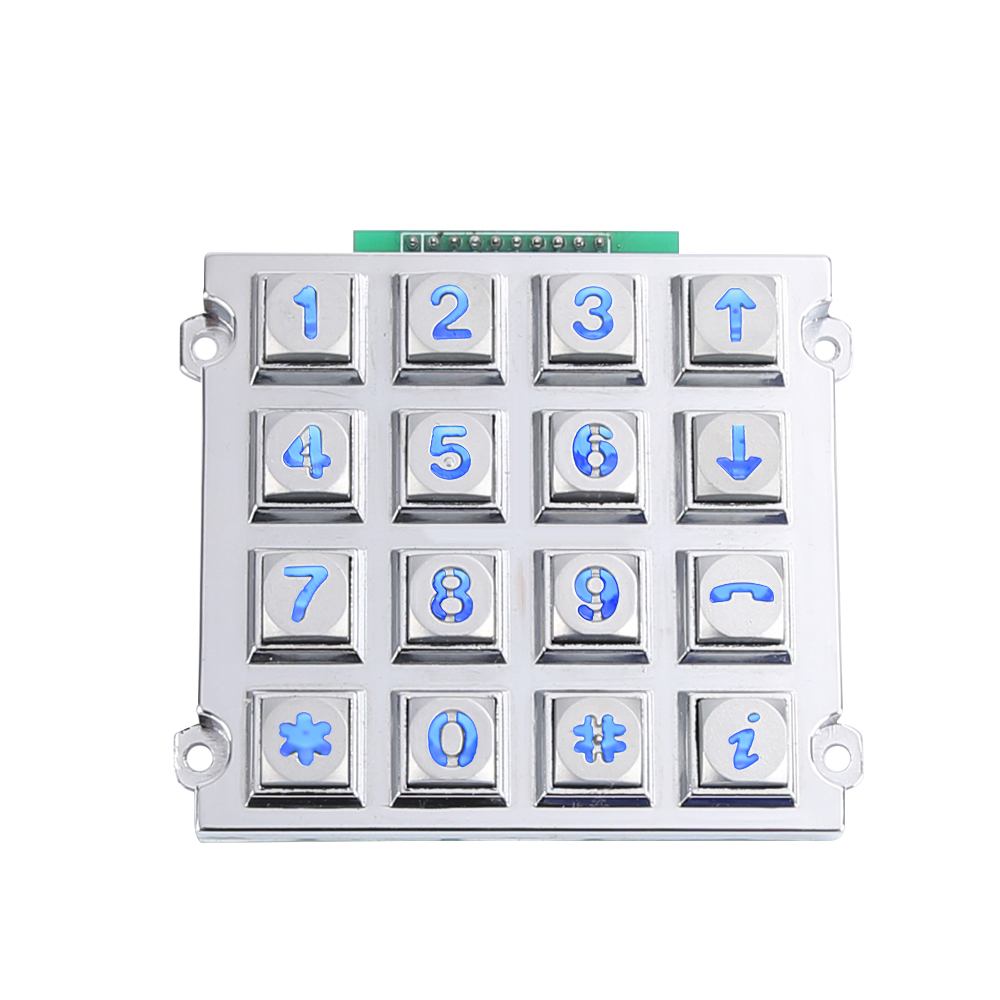
Get a Custom Metal Keypad Quote from Keypado
Which Environmental Hazards Do IP Ratings Measure?
IP ratings assess resistance to hazards like dust and moisture that can degrade electronics. Choosing a keypad with an insufficient rating increases the risk of failures and maintenance costs, so the classification should guide purchasing decisions.
How to Choose the Right IP Rating: IP65 vs IP67 vs IP68 for Metal Keypads?
Select the correct IP rating by reviewing the operating environment. Key points to evaluate include:
- Exposure Level: Assess the risk of dust and water exposure.
- Application Needs: Determine the functions and locations where each keypad will be used.
- Durability Expectations: Consider duration and conditions of use to ensure long-term reliability.
Match these factors to an appropriate IP rating to reduce equipment failure and extend service life.
What Are the Differences Between IP65, IP67, and IP68 Ratings?
The distinctions relate to protection levels:
- IP65: Dust-tight and protected against water jets.
- IP67: Dust-tight and able to withstand immersion for limited periods.
- IP68: Can operate underwater continuously at specified depths.
Knowing these differences helps you pick the right keypad for expected exposure.
Which IP Rating Best Fits Rugged Industrial Keypad Applications?
Rugged industrial sites should match ratings to hazards. Areas with heavy machinery or chemical exposure typically need at least IP67; extreme conditions may call for IP68. Assess the environment, operator interaction, and likely exposure scenarios before deciding.
Can Metal Keypads Withstand Harsh Conditions Like Dust, Water, and Vandalism?
When built from robust materials and sealed to the appropriate IP rating, metal keypads resist dust and water ingress effectively. Rugged designs and reinforced housings improve vandal resistance—IP68 models are commonly chosen for high-security or exposed locations where environmental and physical threats coexist.
How Do Rugged Designs Enhance Dustproof and Waterproof Protection?
Rugged designs combine strong materials and engineered seals to block dust and moisture. Reinforced metal enclosures protect against impact and corrosion, while precision sealing prevents ingress and extends reliable operation.
Are Metal Keypads Vandal Resistant at Higher IP Ratings?
Higher IP ratings often pair with tougher construction, boosting resistance to vandalism. Reinforced glass or hardened metal housings strengthen devices against physical attack as well as environmental threats.
What Are the Industry Standards and Best Practices for Metal Keypad IP Ratings?
Meeting industry standards ensures keypads perform as specified. Following IEC tests and documented procedures validates protection claims and gives users confidence that devices will withstand expected conditions.
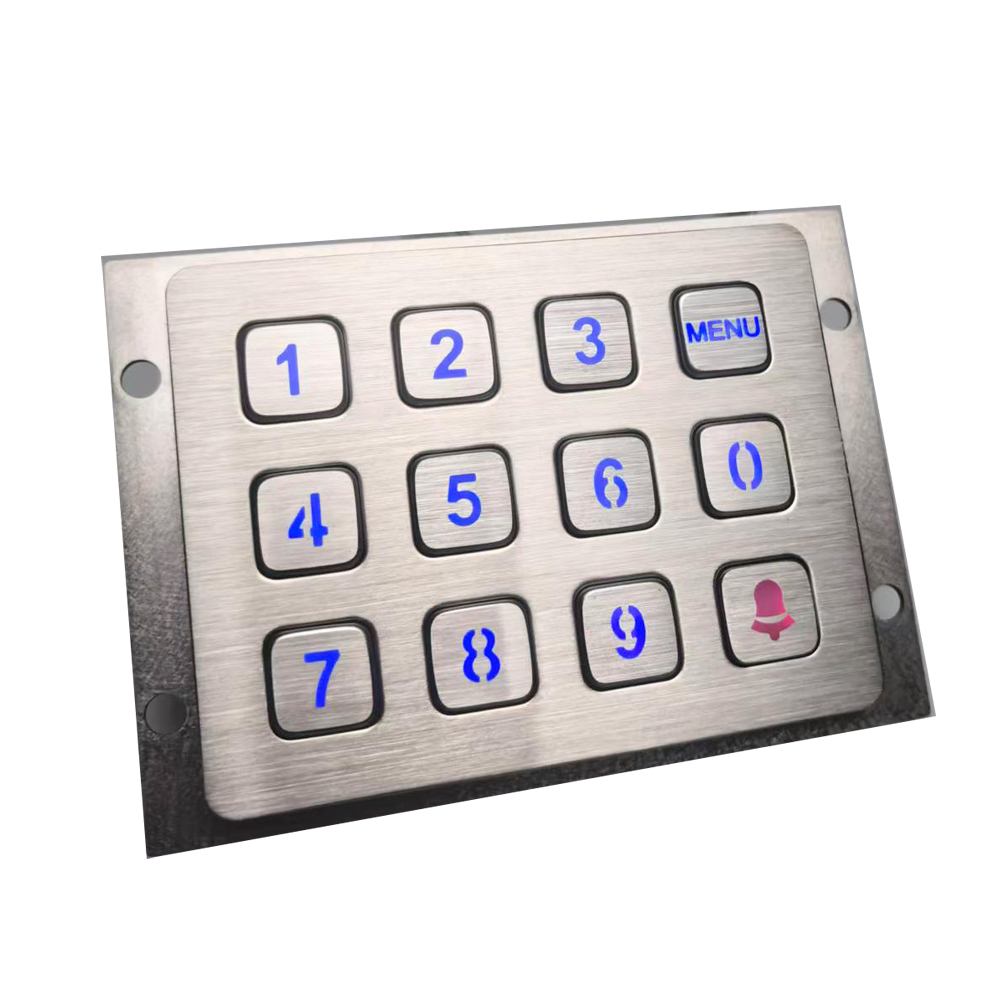
Get a Custom Metal Keypad Quote from Keypado
Which IEC Standards Govern IP Ratings for Metal Keypads?
IEC 60529 defines criteria for classifying enclosure protection against solid and liquid ingress. Manufacturers reference this standard to confirm products meet regulatory and customer expectations.
How Do OEMs Customize IP Ratings to Match Application Needs?
OEMs tailor IP performance through material choices and design changes—better seals, protective coatings, and mechanical reinforcements extend keypad life in demanding settings. Customisation lets manufacturers align products with operational needs while following standards.
Should you require assistance or have specific project needs, our team is ready to help. You can reach us through our contact us page to discuss your requirements.
Frequently Asked Questions
What makes IP ratings important for metal keypads?
IP ratings provide a standard measure of how well a keypad resists dust, water, and other elements, helping you choose a model suited to the environment to reduce failures and maintenance.
How can I determine the appropriate IP rating for my application?
Assess dust and moisture risks and whether the keypad will face water jets or immersion. Use that assessment to decide between IP65, IP67, or IP68 so the keypad remains reliable.
Are there specific industries that require higher IP ratings?
Yes. Food processing, outdoor kiosks, and heavy equipment often need IP67 or higher due to exposure to liquids, dust, and strict cleanliness requirements.
Can metal keypads with high IP ratings be installed indoors?
Yes. High IP-rated keypads perform indoors and provide extra durability where dust or moisture are concerns, or where more durable hardware is preferred.
How do environmental conditions impact the choice of metal keypads?
Humidity, dust levels, temperature swings, and chemical exposure determine the needed IP rating. High humidity or frequent washdowns typically require a higher-rated keypad.
What additional features should I look for in a robust metal keypad?
Look for rugged construction, reinforced materials, strong seals, and anti-vandal elements like tempered glass or hardened housings to complement a suitable IP rating.
How often should metal keypads be inspected or maintained?
Inspect keypads regularly—quarterly or biannually is common—to clean debris and check seals and wear. Regular maintenance catches issues early and extends service life.
Conclusion
Choosing the correct IP rating ensures your metal keypad stays reliable and minimises downtime and repair costs. Review the operating environment and application needs to select the right rating, and consider our range of metal keypads tailored to specific uses. Contact us for personalised guidance to find the best solution for your project.
 English
  Deutsch
  Français
  Polski
  Português do Brasil
  Español
  日本語
日本語  Русский
  العربية
  Italiano
  Nederlands
  Türkçe
  한국어
한국어