
Moving a metal keypad from prototype to mass production requires locking down the design, validating samples, and then scaling through low-volume bridge runs before full production, with DFM review and process control to keep quality consistent. Partnering with an experienced supplier that can support fast sampling, OEM development, and scalable manufacturing helps reduce risk and shorten the path to high-volume output.
Key Takeaways
- A working prototype proves function but not reliable, repeated manufacturing at scale with consistent quality.
- Scaling too soon without proper preparation leads to waste and introduces significant financial and operational risks.
- Mass production requires design choices, tighter process control, and stronger supplier relationships than prototyping demands.
- Moving from one unit to 10,000+ units forces critical decisions about manufacturing reliability and profitability.
What Do You Need Before Starting?
Successful metal keypad mass production starts long before a factory floor runs a single unit. A working prototype proves a design functions once. It does not prove that design can be manufactured reliably, repeatedly, and profitably at scale.
Get a Custom Metal Keypad Quote From Keypado
What specifications should OEMs define before requesting a sample?
OEMs need three core decisions locked down before engaging a manufacturer:
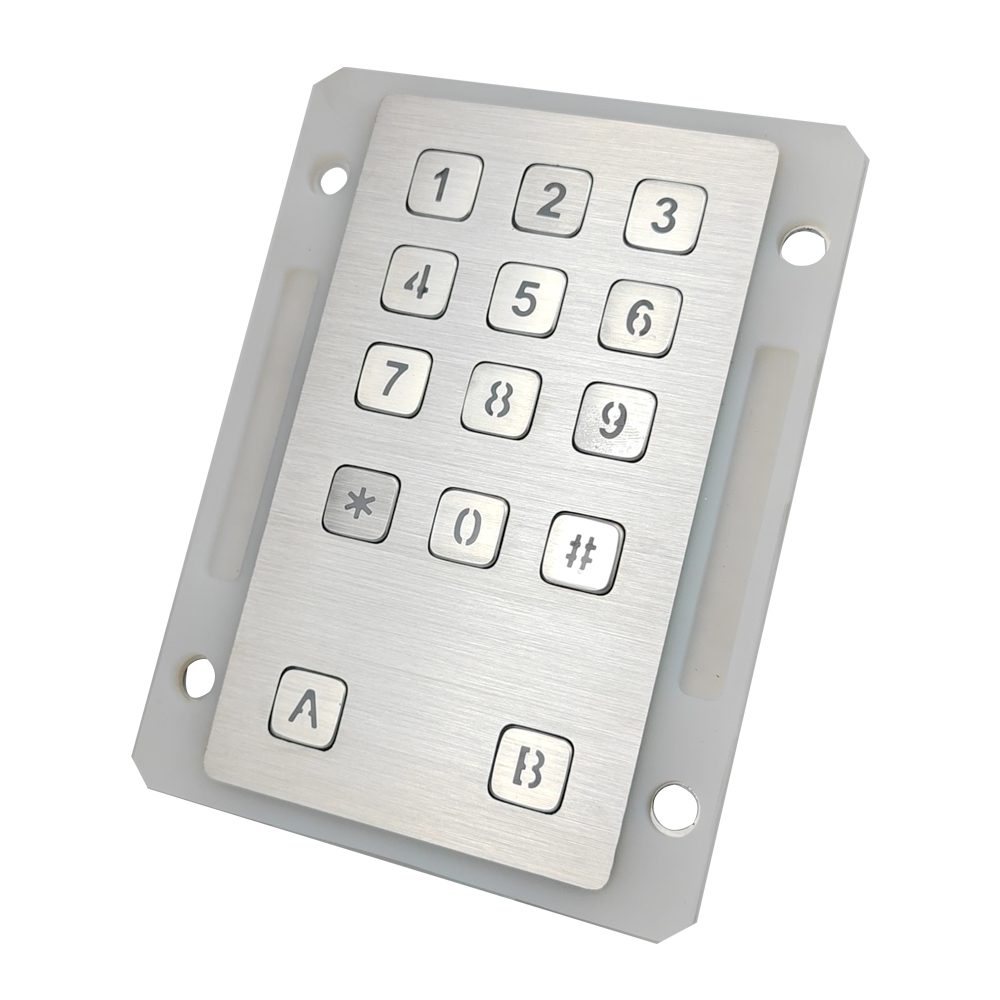
- Define the layout. Confirm the key count, arrangement, and any function-specific zones the application requires.
- Choose the interface type. Decide between USB, matrix, PS/2, or another communication protocol that matches the host system.
- Specify mounting requirements. Determine panel cutout dimensions, orientation, and any IP-rating or vandal-resistance targets the end environment demands.
- Document engraving and backlighting needs. Capture legend text, icon artwork, and any illumination requirements before sampling begins.
Locking these details down early prevents costly redesigns mid-cycle.
Does a manufacturer review the design before production starts?
Keypado provides factory-direct engineering support without intermediary markups. Engineers examine submitted drawings for manufacturability issues before sampling begins. That review catches tolerance mismatches and interface conflicts early — problems that grow far more expensive once tooling is committed.
Getting these prerequisites right is straightforward. Confirm the specification, submit the CAD files, and let the engineering review surface any gaps before the first sample ships.
How Do You Validate Your Metal Keypad Design?
Validating a metal keypad design means confirming the design works as intended in physical form. Catching manufacturability issues before committing to full-scale tooling. Skipping this stage exposes OEM projects to costly redesigns and wasted investment that could have been avoided at low volume.
Validation follows a clear sequence. Prerequisites: OEMs need a finalized layout, interface specification, and defined environmental requirements before starting.
- Build a physical prototype. Prototyping is the foundation of validation — it transforms a concept into something tangible that engineers can test against real application requirements.
- Request a sample from the manufacturer. Keypado delivers samples within 7 days, giving OEM teams a fast path to hands-on evaluation without long delays.
- Test environmental ratings. Because Keypado’s metal keypad mass production units are vandal-proof and IP65+ sealed, validation must confirm the device meets those dust and water ingress ratings under actual operating conditions.
- Stress-test mechanical durability. Run key-press cycle tests and impact tests to verify the metal construction holds up to the demands of the target environment.
- Identify and resolve design issues at low volume. Solving problems before scaling prevents the expensive tooling changes and supply chain disruptions that surface when issues are discovered mid-production.
Why Does Environmental Rating Verification Matter Before Production?
Environmental ratings like IP65+ are not just marketing specs — they are performance commitments that field deployments depend on. Confirming these ratings at the prototype stage means production units ship with verified protection, not assumed protection.
What Happens If Design Problems Are Found Late?
Finding design flaws after tooling is finalized multiplies the cost of correction significantly. Addressing issues at the low-volume sample stage keeps redesign costs manageable and protects the overall project timeline.
How Do You Run a Successful Pilot Production Run?
A pilot production run is a low-volume manufacturing phase that lets OEMs validate processes, tooling. Quality before committing to full metal keypad mass production. Skipping this stage carries real consequences — wasted tooling budgets, costly redesigns. Supply chain disruptions that derail even well-funded product launches.
Get a Custom Metal Keypad Quote From Keypado
Prerequisites before starting a pilot run:
- Finalized mechanical drawings and interface specifications
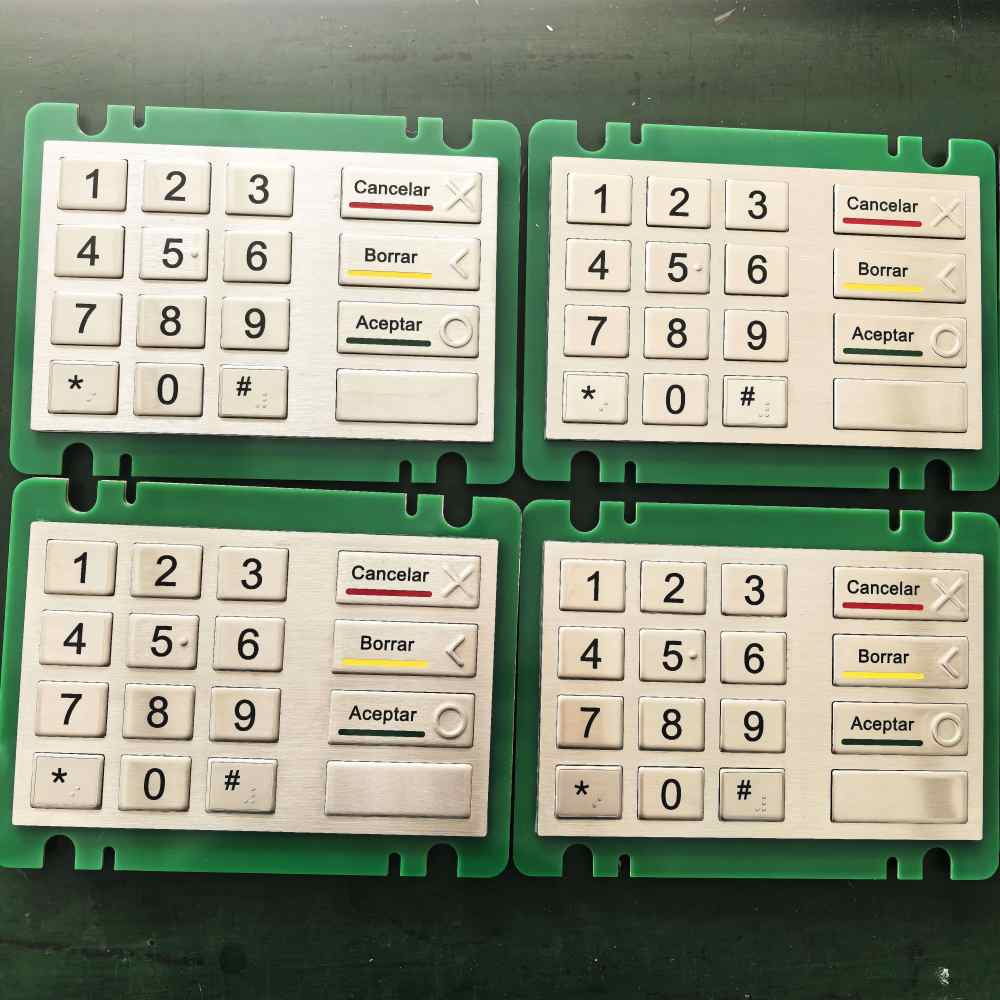
- Confirmed material selections (stainless steel, zinc alloy, etc.)
- Agreed-upon quality acceptance criteria and inspection checkpoints
Steps to run a successful pilot production run:
- Lock the design. Freeze all layout, engraving, and interface configurations before ordering pilot units. Late changes multiply costs.
- Order a low-MOQ sample batch. Keypado supports pilot runs with low minimum order quantities, which limits financial exposure during this critical transition phase.
- Run batch inspection. Inspect every unit against the agreed acceptance criteria. Document dimensional tolerances, key actuation force, and IP-rating integrity.
- Stress-test in real conditions. Deploy pilot units in the target environment — whether a fuel dispenser, access control panel, or vending machine — and log any failure modes.
- Review and iterate. Analyze inspection reports and field feedback together. Address any gaps before scaling.
- Confirm production consistency. Only after pilot units pass all checks should OEMs authorize full production volumes.
Why Does Rushing to Mass Production Cause Problems?
Scaling too soon, without completing a proper pilot phase, leads to wasted tooling investment, expensive redesigns, and supply chain headaches. A failed launch costs far more than the time a pilot run requires.
How Does Keypado Reduce Risk During the Pilot Phase?
Keypado’s metal keypads are proven across deployments exceeding 100,000 units, giving OEMs strong confidence in pilot-to-production consistency. Combined with low minimum order quantities and short lead times, Keypado keeps the pilot phase lean and financially manageable.
How Do You Lock In Quality for Mass Production?
Locking in quality for metal keypad mass production starts well before the first full production run begins. Building quality systems early in the scaling process is the single most reliable way to maintain consistency across high-volume output.
The sequence matters. OEM engineers who skip structured quality checkpoints during the transition from prototype to production often discover defects only after thousands of units have shipped. A costly mistake that delays deployments and damages client relationships.
What Steps Should OEMs Follow to Establish Production Quality?
Follow these steps in order before committing to full-volume runs:
- Validate critical design parameters — confirm that tolerances, materials, and interface specs perform reliably under real-world conditions, not just lab settings.
- Lock materials and processes — freeze the approved material grades, surface finishes, and assembly methods so every batch starts from the same baseline.
- Run a pilot build — produce a controlled small batch to stress-test the process before scaling up.
- Build quality systems early — establish inspection checkpoints, acceptance criteria, and documentation protocols before volume ramps.
- Generate batch inspection reports — document results for every production run so deviations are traceable and correctable.
How Does Keypado Ensure Consistent Quality Across High-Volume Orders?
Keypado backs every production run with ISO9001 certification. Batch inspection reports, giving OEM clients verifiable evidence of quality rather than just a verbal assurance. That documentation trail is especially valuable for long-term deployments where field reliability is non-negotiable.
Rugged metal construction reinforces this reliability at the unit level. Metal keypads withstand harsh operating environments that would degrade plastic alternatives, keeping field failure rates low across large installed bases.
The results speak for themselves. Keypado’s products are trusted by over 200 clients across more than 30 countries. A track record that reflects repeatable, scalable quality built into every stage of production.
What Common Mistakes Should You Avoid?
Most metal keypad mass production projects stumble not because the original design was flawed. Because the manufacturing process wasn’t ready before scaling began. Skipping critical preparation steps turns a promising OEM project into a costly scramble.
Get a Custom Metal Keypad Quote From Keypado
Why Does Scaling Too Soon Cause Problems?
Moving from a single working prototype to consistent, high-volume output forces three things at once: critical design decisions, tighter process control, and stronger supplier partnerships. Teams that underestimate this shift often face expensive redesigns mid-run. Getting all three elements locked in before committing to volume is the only reliable path forward.
Avoid these common mistakes in order of when they typically occur:
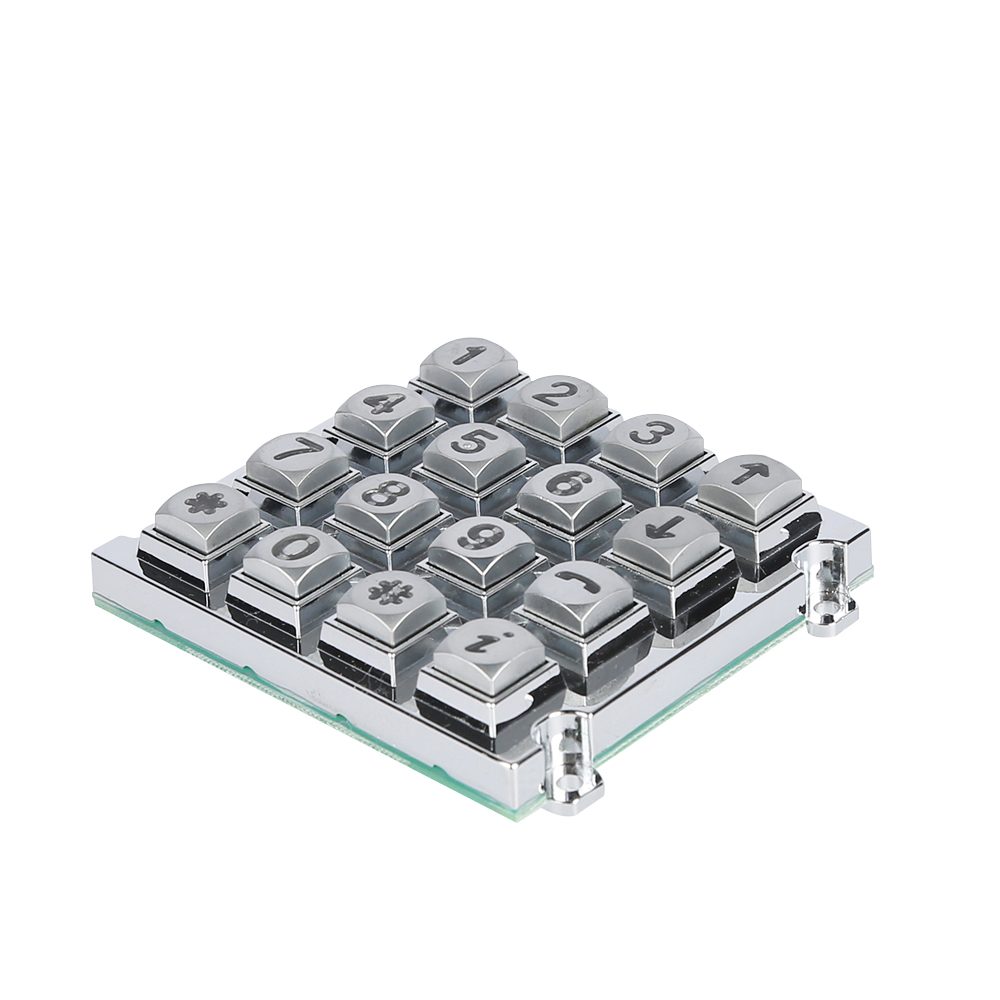
- Freeze the design before tooling. Locking in the keypad layout, interface type, and engraving specs after tooling begins wastes money and delays delivery.
- Validate the manufacturing process, not just the prototype. A prototype proves function. A validated process proves the design can be reproduced reliably at scale.
- Establish supplier partnerships early. Weak supplier relationships create quality inconsistencies that compound across large batches.
- Account for total landed cost. Routing orders through intermediaries adds markups that quietly erode scaling budgets — working directly with the manufacturer eliminates that layer entirely.
- Match the input device spec to the deployment environment. Industries like access control, vending, fuel dispensing, and industrial control panels demand vandal-resistant, IP-rated construction from day one, not as an afterthought.
What Happens When Process Control Is Ignored?
Process control gaps produce inconsistent output across batches. For OEMs deploying devices in ticketing terminals or self-service kiosks, even minor variation in keypad performance creates field failures that damage end-customer trust and trigger costly recalls.
Moving from prototype to mass production isn’t just about scaling up—it’s about partnering with someone who gets the journey. You’ve learned that thoughtful design, early collaboration, and the right manufacturing partner make all the difference. When you’re ready to take that leap, you’ll find that the path forward becomes clearer with factory-direct support, flexible tooling. A team invested in your success from day one.
FAQ
What specifications do OEMs need to lock down before requesting a sample?
OEMs define key layout, interface type, mounting requirements. Engraving or backlighting needs before engaging a manufacturer, preventing costly redesigns mid-cycle.
Does Keypado review CAD files before production starts?
Keypado provides factory-direct engineering support with free CAD review, examining submitted drawings for manufacturability issues, tolerance mismatches. Interface conflicts before sampling begins.
Where is Keypado located?
Keypado is located in Yuyao, Zhejiang, China.
 English
  Deutsch
  Français
  Polski
  Português do Brasil
  Español
  日本語
日本語  Русский
  العربية
  Italiano
  Nederlands
  Türkçe
  한국어
한국어