
A USB接続の金属製テンキー 堅牢で破壊行為に強いステンレス製の筐体を採用し、産業用システム向けに高速かつ専用の数字入力機能を提供します。Keypado社は、IP規格に準拠した密閉構造、カスタマイズ可能なレイアウト、USBまたはマトリックスインターフェースを備えたこれらのユニットを製造しており、標準的なプラスチック製キーパッドでは毎日の過酷な使用に耐えられないような、アクセス制御、自動販売機、キオスクなどの用途に対応しています。.
USBメタルテンキーとは何ですか?
USB接続の金属製テンキーは、頑丈な金属キーの入力グリッドとUSB出力を組み合わせたもので、コンピュータや産業用コントローラに直接接続できます。激しい使用で割れてしまうような脆弱なプラスチックパネルとは異なり、キーは長年にわたる繰り返しの押下にも耐えられるよう設計された金属製の筐体に収められています。この違いは、産業現場において最も重要な意味を持ちます。 キーパッドが故障すると、稼働停止や修理依頼、さらにはエンドユーザーの不満につながる可能性があります。.
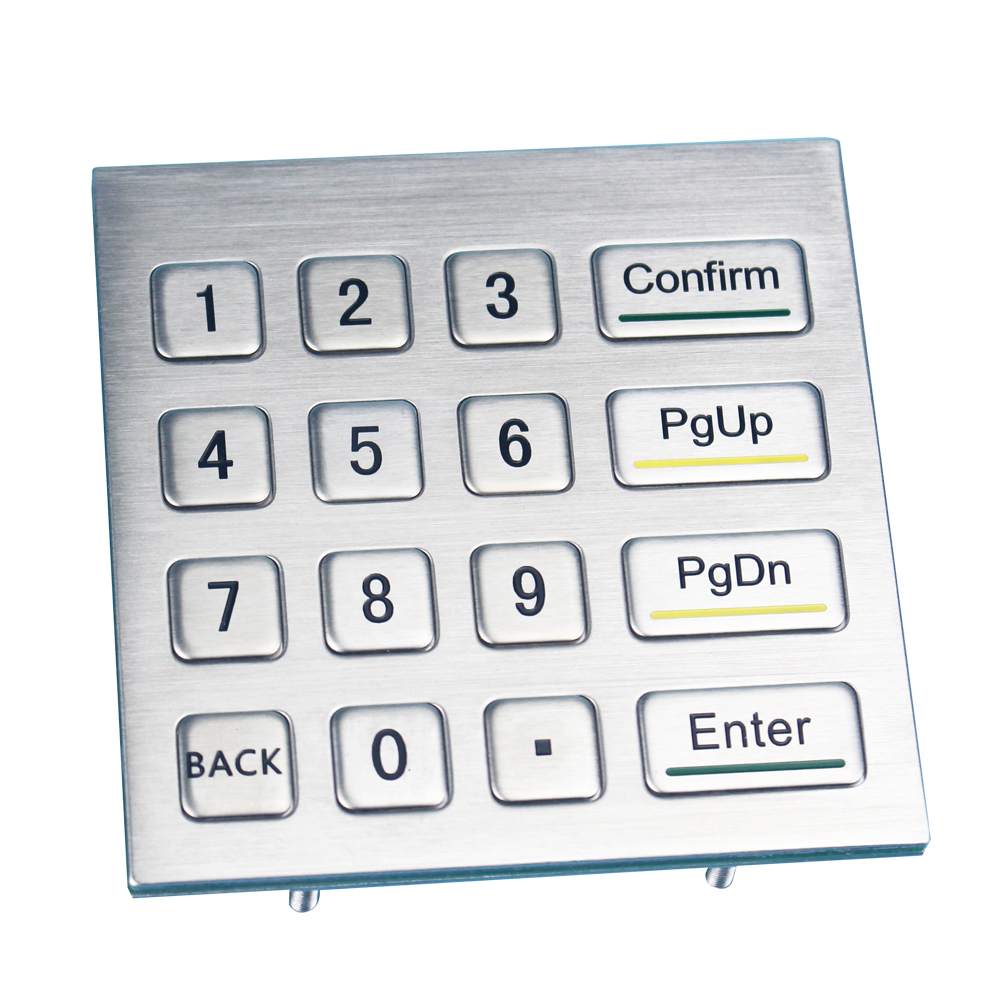
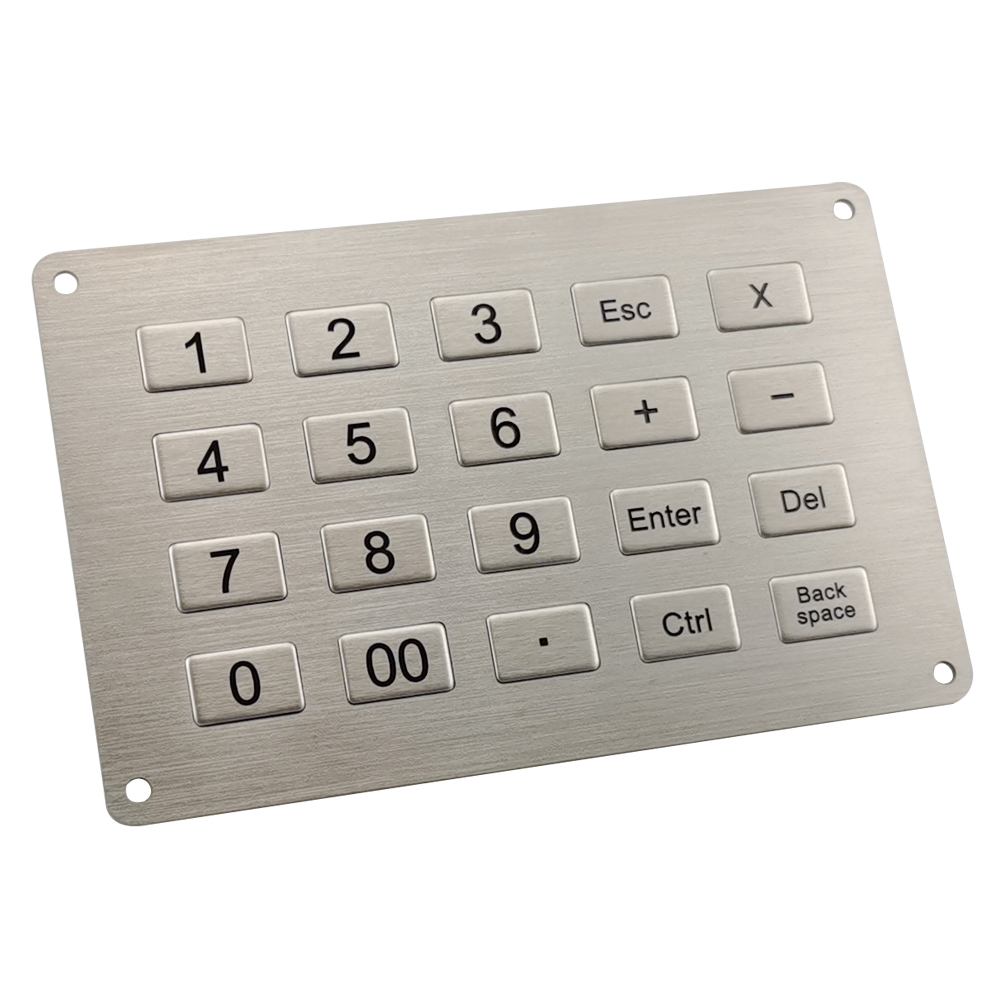
このカテゴリーのキーパッドの多くは、おなじみのレイアウトを採用しています。つまり、0から9までの数字キーに加え、EnterやDelete、場合によってはEscapeなどのファンクションキーが配置されています。この配置は、標準的なコンピュータキーボードのテンキー部分とまったく同じであるため、エンジニアなら一目でそれとわかります。工業用モデルが一般向け製品と一線を画すのは、その金属製の構造にあります。.
これらのキーパッドは、どこで使われているのでしょうか?
Keypadoは、入退室管理システム、ロッカー、自動販売機、給油機向けに、堅牢な金属製キーパッドを製造しています。これらの環境には、天候への曝露、破壊行為、あるいは絶え間ない一般利用者との接触といった、共通の課題があります。USB出力を備えた金属製キーパッドは、こうした過酷な環境にも耐えつつ、接続されたシステムに正確で信頼性の高いデータを送り続けます。.
メーカーの所在地は、品質やサポートに影響を与えますか?
Keypadoは、中国浙江省余姚市を拠点として事業を展開しており、この拠点はOEMメーカーとの直接的な製造提携を支えています。単一の製造拠点で業務を行うことで、設計、金型製作、品質管理が密接に連携しています。調達チームやシステムインテグレーターにとって、この連携の密さは、カスタム製品の開発において、試作の迅速化や明確なコミュニケーションにつながります。.
要するに、USB接続の金属製テンキーは、単に金属製の筐体に収められたテンキーというだけのものではありません。これは、標準的なキーボードではすぐに故障してしまうような環境向けに特別に設計された入力デバイスなのです。.
データ入力のスピードはどのように向上するのでしょうか?
数字入力の高速化は、専用キーとシンプルな信号経路にかかっています。USB接続の金属製テンキーは、数字入力専用に設計された配列をオペレーターに提供します。文字と数字が混在する複雑なレイアウトの中でキーを探す必要がありません。この特化性は、倉庫の現場や給油所など、操作に手間取る時間が1秒でもあれば処理能力の低下につながるような場所では、極めて重要です。.
速度は、キーの背後で何が起きているかにも左右されます。Keypadoのキーパッドは、USBまたはマトリクス出力を基盤として構築されており、追加の変換レイヤーや専用ドライバーを必要とせずにコントローラーに接続できます。統合の手順が少なければ、キーを押してから入力が認識されるまでの遅延も少なくなります。これは些細な技術的な詳細ですが、1日数千件にも及ぶトランザクション全体で見れば、その効果が積み重なっていくのです。.
なぜテンキーは、通常のキーボードに比べて入力精度が向上するのでしょうか?
専用の数字グリッドにより、誤って隣接する文字キーを押してしまう可能性が低くなります。経理業務、在庫棚卸し、あるいは科学的な計算を行う際、このグリッドレイアウトにより、指をキーボード全体に広げる必要がなく、1つのコンパクトな領域に留めることができるため、入力が迅速かつ正確に行えます。.
レイアウトを特定のパネルデザインに合わせて調整することは可能ですか?
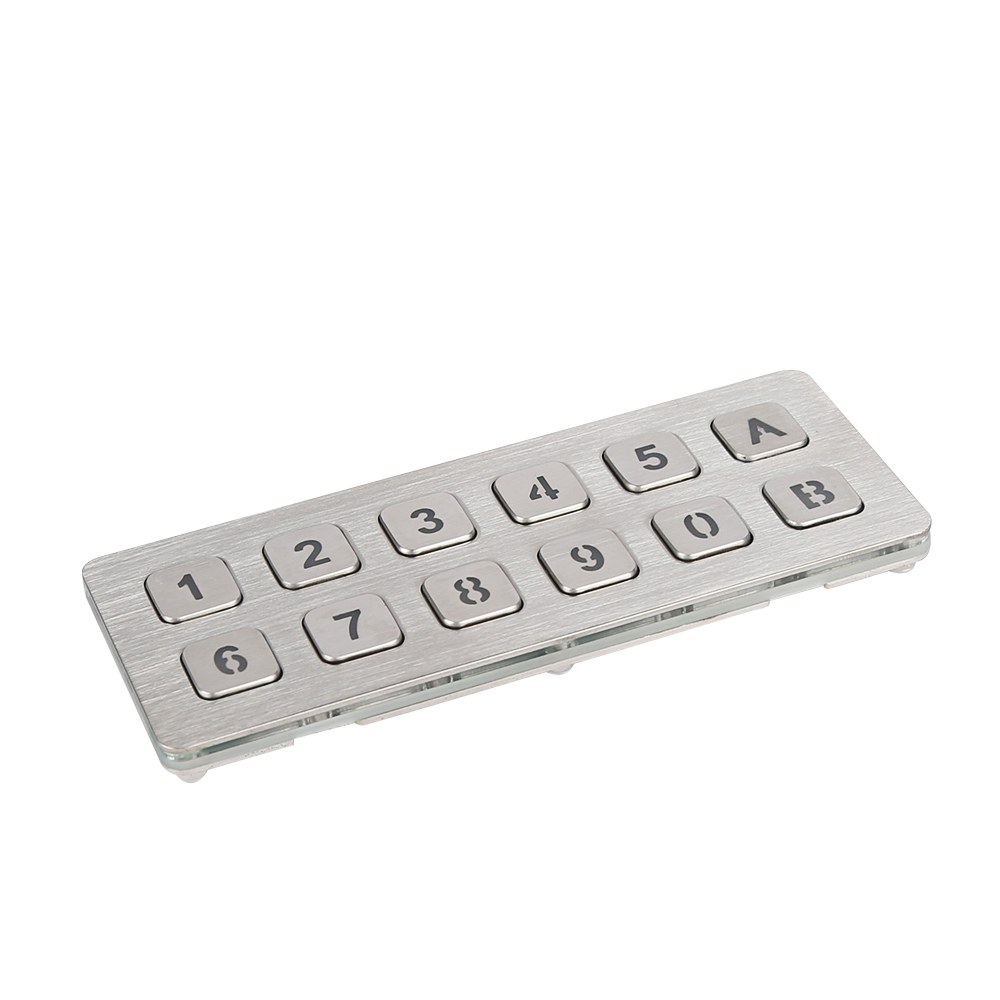
はい。エンジニアは、利用可能なパネルスペースや機能要件に応じて、3×4または4×4の構成を指定することができます。この柔軟性により、OEMチームは、周囲のハードウェアを再設計することなく、狭い筐体内にキーパッドを組み込むことが可能になります。.
Keypadoは、レイアウトだけでなく、インターフェースや刻印の面でもカスタマイズが可能であり、製品マネージャーは既製の部品に合わせて設計を調整するのではなく、キーパッドを既存の仕様に合わせることができます。これは、複数のデバイスバリエーションを構築するシステムインテグレーターにとって、どのような意味を持つか考えてみてください:
レイアウトの選択 — 3×4または4×4のグリッドは、パネルの設置面積に応じて適しています
インターフェースの選択肢 — コントローラーとの直接接続に対応したUSBまたはマトリクス出力
刻印および仕上げ — OEMのブランドイメージおよびオペレーターの視認性の要件に合わせて調整
これらの選択肢はいずれも、導入プロセスの煩わしさを軽減し、1シフトあたり数百回も繰り返される定型業務にかかる時間を短縮します。.
耐久性の観点から、金属構造はなぜ重要なのでしょうか?
金属製の筐体があるかどうかで、入力デバイスが日々の過酷な使用に耐えられるか、それとも数ヶ月で故障してしまうかが決まります。プラスチック製のキーパッドは、繰り返される衝撃でひび割れたり、熱で歪んだり、ほこりや湿気が内部回路に侵入したりします。一方、USB接続の金属製テンキーは、ステンレス鋼や亜鉛合金製の構造により、ポリマーでは到底実現できないほどの耐凹性、耐こじ開け性、耐腐食性を備えているため、こうした故障の原因を回避できます。.
「耐破壊設計」は単なるマーケティング用語ではなく、測定可能な技術的成果です。金属製筐体のキーパッドは、IP規格に準拠した防塵・防水性能を備えており、これは一年中屋外に設置される機器を製造するOEMメーカーにとって重要な要素です。 給油機、自動販売機、アクセスパネルなどは、空調管理が行き届いていないことが多いため、外部環境からの侵入を防ぐ密閉構造により、設置後も長期間にわたり内部の電子機器を正常に機能させることができます。.
金属製のキーパッドは、実際には何回押しても大丈夫なのでしょうか?
金属製のキーは、機械的な故障が生じるまで数百万回の押下にも耐えることができます。この耐用年数は、チケット発券キオスクやロッカーなど、利用頻度の高い環境において最も重要な要素となります。1台の機器で1日に数千回の操作が行われることもあります。部品を比較検討する調達チームは、押下サイクルの耐久性をオプションのアップグレードではなく、基本仕様として扱うべきです。.
キーパッドの耐破壊性は、一体何によって決まるのでしょうか?
耐破壊性は、金属のみに頼るのではなく、ポリマーとステンレス鋼を複合構造で組み合わせることで実現されています。この組み合わせにより、メーカーはダイカスト製のキーに番号を直接刻印できる一方で、周囲のハウジングを十分な剛性を保ち、無理な侵入の試みに耐えることができます。実地試験および実験室での検証により、これらの構造は単なる理論上の応力モデルだけでなく、過酷な使用条件下でも耐えうることが確認されています。.
OEMエンジニアにとって、耐久性の計算式は次のように単純化されます:
IP65+の防塵・防水構造により、ほこりや水が内部の接点に侵入するのを防ぎます
ステンレス鋼または亜鉛合金製の本体は、へこみ、傷、こじ開けに強くなっています
高分子・金属複合材製のキーは、数百万回の押下にも耐え、色あせやひび割れが生じません。
実験室での試験により、実環境での過酷な使用に耐えられることが確認された上で、導入が行われる
最初から金属構造を採用しておけば、将来的な交換の頻度を減らすことができます。.
USBかRS485か:どちらのインターフェースが最適か?
インターフェースの選択によって、キーパッドが産業用システムの他の部分とどれだけ円滑に連携できるかが決まります。生産設備用の入力デバイスを調達するエンジニアや調達チームは、常にこの判断に直面しています。選択を誤ると、後工程で多額のコストがかかる手直しが必要になります。主要な2つの規格であるRS485とUSBは、それぞれ異なる統合上の課題を解決します。.
RS485とUSBキーパッドの実際の違いは何ですか?
RS485は、長いケーブル配線が必要な場合や、1本の回線を複数のデバイスが共有する構成においてその真価を発揮します。これは、工場フロアや分散型制御盤でよく見られる状況です。 一方、USBは、ケーブル長が短く、コントローラやPCが近くに設置されているプラグアンドプレイ環境に適しています。どちらが絶対的に優れているというわけではありません。適切な選択は、機器の配置や、キーパッドがホストシステムからどの程度離れているかによって異なります。.
Keypadoは、両方の接続方式に対応していますか?
はい。Keypado社は、マトリックス接続やPS/2接続に加え、USB対応の金属製テンキーなど、柔軟なインターフェースオプションを備えたテンキーを製造しています。こうした幅広いラインナップにより、OEM各社は、特定のコネクタタイプに合わせて制御システムを再設計することなく、既存のハードウェアに合わせてテンキーを選定することができます。.
簡単に並べて比較してみると、判断の指針になります:
調達チームは、どのインターフェースが標準装備されているかを、早い段階でサプライヤーに確認すべきです。カスタムレイアウトや刻印も重要ですが、OEM展開の際には、接続性の不整合が統合作業において最も大きな問題を引き起こします。.
特注のキーパッドは、どれくらいの速さで調達できますか?
カスタムキーパッドのサンプルの納期は、通常7営業日です。Keypadoでは、サンプルの最小注文数量を低く設定することで、製品マネージャーが本格的な量産に踏み切る前に、デザインを試験的に導入できるようにしています。.
プロジェクトの設計検証段階では、このスピードが最も重要です。プロトタイプの完成を数週間も待っていると、統合テストが遅れ、リリーススケジュールが後ろ倒しになってしまいます。サンプル作成サイクルが短ければ、エンジニアはレイアウト、キーのストローク、インターフェースのオプションなどを反復的に調整し、数ヶ月ではなく数日以内に実際の結果を確認することができます。.
OEMプロジェクトにおいて、サンプリング速度が重要なのはなぜでしょうか?
プロトタイプの作成が遅れると、機器製造の下流工程がすべて停滞してしまいます。キーパッドのサンプルが届くまでに数週間もかかる場合、エンジニアリングチームの勢いが失われ、統合テストが延期されてしまいます。迅速なサンプル提供により開発スケジュールを順守できるため、製品発売日に向けて急ピッチで開発を進めるチームにとっては、これが最も重要な要素となります。.
試作段階を過ぎても、Keypadoは量産段階においても納期に対する同じ姿勢を貫いています。設計が試作段階から量産注文に移行した後も、納期スケジュールは予定通り遵守されます。この一貫性こそが、発売時期を見据えて在庫計画を立てる調達チームにとって頼りになる要素となっています。.
その信頼性は、大規模な導入においても実証されています。Keypadoのキーパッドは、累計10万台以上に及ぶ導入実績を通じてその信頼性を証明しており、これは製造プロセスが小規模な試験生産の段階を超えて安定していることを示しています。さまざまな業界の200社以上の顧客が、この同じ生産ラインを通じて入力ハードウェアを調達しています。.
調達スケジュールの概要:
サンプル段階:カスタムキーパッドのプロトタイプ、納期は約7日間
最小注文数量:MOQが低いオプションがあり、試験生産に最適です
生産段階:フルボリューム注文に対する納期遵守の確約
実績:10万台以上の導入実績、200社以上の顧客へのサービス提供実績
USB接続の金属製テンキーと他のインターフェースオプションを比較検討しているチームにとって、この調達スピードはあらゆる構成で同様に適用されるため、コネクタの選択にかかわらず、評価期間を短く抑えることができます。.
つまり、USB接続の金属製テンキーは単なる便利なツールではなく、効率性と耐久性への賢い投資なのです。一日中数字を処理する場合でも、在庫管理を行う場合でも、あるいは特殊な機器を組み立てる場合でも、頑丈で信頼性の高い入力デバイスがあれば、ワークフローの円滑さが格段に向上します。 金属製の筐体、シンプルなUSB接続、そして数字入力に特化したレイアウトが組み合わさることで、余計なものを省きつつ、まさに必要な機能だけを提供します。どのような環境に置かれても、毎日黙々とその役割を果たしてくれるツールなのです。.
よくある質問
USB接続の金属製テンキーとは何ですか?
頑丈な金属製のキー入力グリッドとUSB出力を組み合わせ、コンピュータや産業用コントローラに直接接続できます。金属製の筐体は、民生用製品に使われているような薄っぺらなプラスチック製パネルよりも、繰り返し押される負荷にはるかに強く耐えます。.
USB接続の金属製テンキーは、どのような場面で使用されますか?
Keypado社は、入退室管理システム、ロッカー、自動販売機、給油機向けにこれらのキーパッドを製造しています。これらの設置環境は、天候の影響や破壊行為、あるいは絶え間ない一般利用者との接触といった共通の課題を抱えていますが、金属製の構造とUSB出力により、これらに確実に対応しています。.
金属製のテンキーは、どのようにしてデータ入力の速度を向上させるのでしょうか?
専用のテンキーにより、オペレーターは文字と数字が混在する複雑なキーボードレイアウト上でキーを探す手間が省け、倉庫や給油所などの現場で作業時間を短縮できます。また、USBまたはマトリクス出力に対応しているため、追加の変換層を介さずにコントローラーに直接接続でき、キー入力から入力認識までの遅延を低減します。.
 English
  Deutsch
  Français
  Polski
  Português do Brasil
  Español
  日本語
日本語  Русский
  العربية
  Italiano
  Nederlands
  Türkçe
  한국어
한국어