
Custom Explosion Proof Keypads for Your Equipment Design
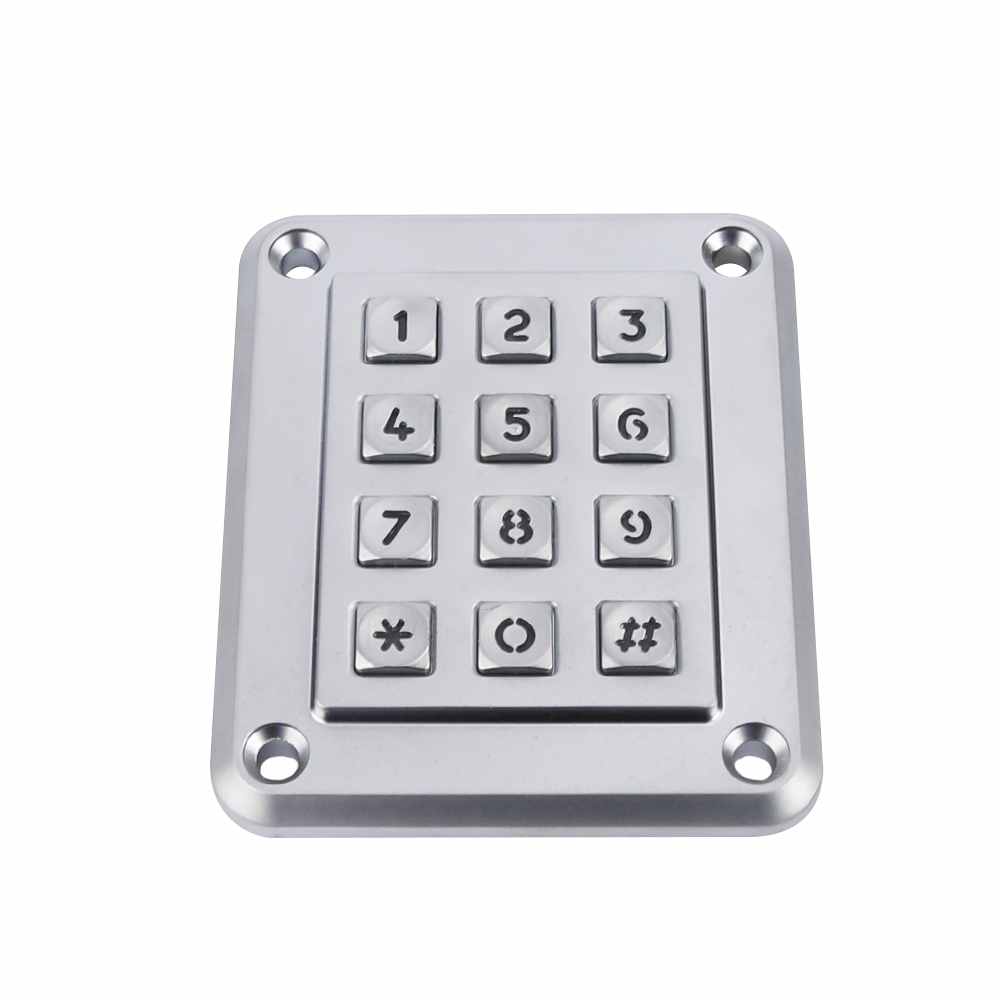
Building equipment for a hazardous location means getting every component right, including the controls people touch. Keypado develops custom metal keypads for explosion proof equipment projects, with layouts, panels, mounting, and connections shaped around your design. We start with your operating requirements and protection concept, then review how the keypad fits into the complete assembly. Tell us what operators need to enter, where the equipment will be installed, and which approvals your project requires. We will help define the keypad component for technical evaluation. Hazardous area suitability depends on the approved configuration and certification scope, not metal construction alone.


Get Custom Quote
Metal contact surfaces
Give operators a durable input point for demanding industrial equipment.
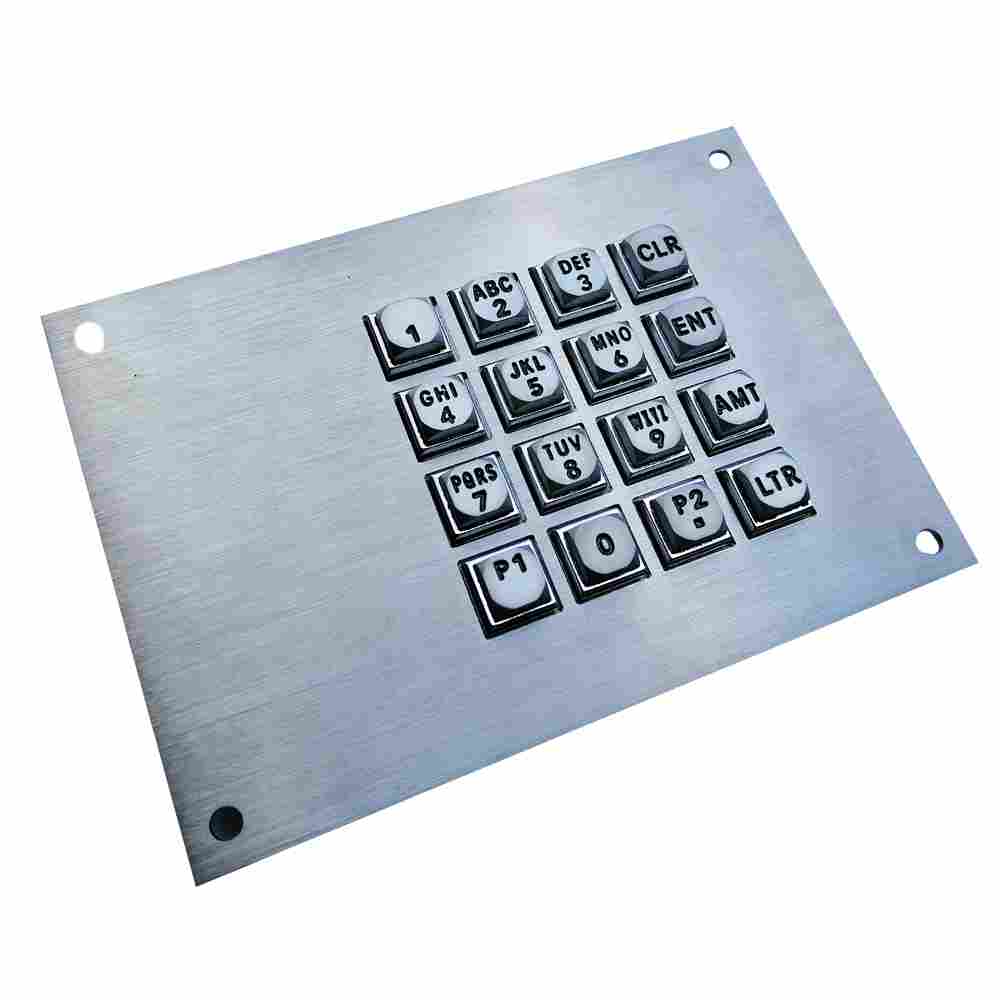
Task focused layouts
Arrange numbers and function keys around the commands operators use most.
Enclosure matched mounting
Develop panel dimensions, fixing points, and cable routing around your assembly.
Clear key identification
Specify engraved legends and tactile details for confident operation.
Defined electrical requirements
Review the switching circuit, interface, wiring, and power within your protection concept.
Controlled customization
Agree on the configuration before sampling so changes can be assessed against project requirements.
Build Around Your Protection Concept
Start with the hazardous area requirements, then define the keypad that fits the equipment.
Application and approval requirements
Metal panel and key layout
Mounting and enclosure interface
Electrical configuration
Application and approval requirements
- Share the required Zone or Class/Division classification.
- Identify the gas or dust group, temperature requirements, and destination market.
- Clarify whether the project needs a certified device or a component for assessment within an assembly.
Metal panel and key layout
- Specify numeric keys, function keys, or a combined arrangement.
- Review stainless steel construction, surface finish, and engraved markings.
- Discuss key size, spacing, and operation with the intended gloves.
Mounting and enclosure interface
- Provide the panel opening, fixing points, and available internal space.
- Identify any enclosure features that must remain unchanged.
- Review sealing, bonding, and cable routing requirements with your equipment designer.
Electrical configuration
- Define the switching circuit or required output for technical review.
- Share power limits and any associated interface or barrier requirements.
- Assess lighting and electronics within the selected protection concept before inclusion.
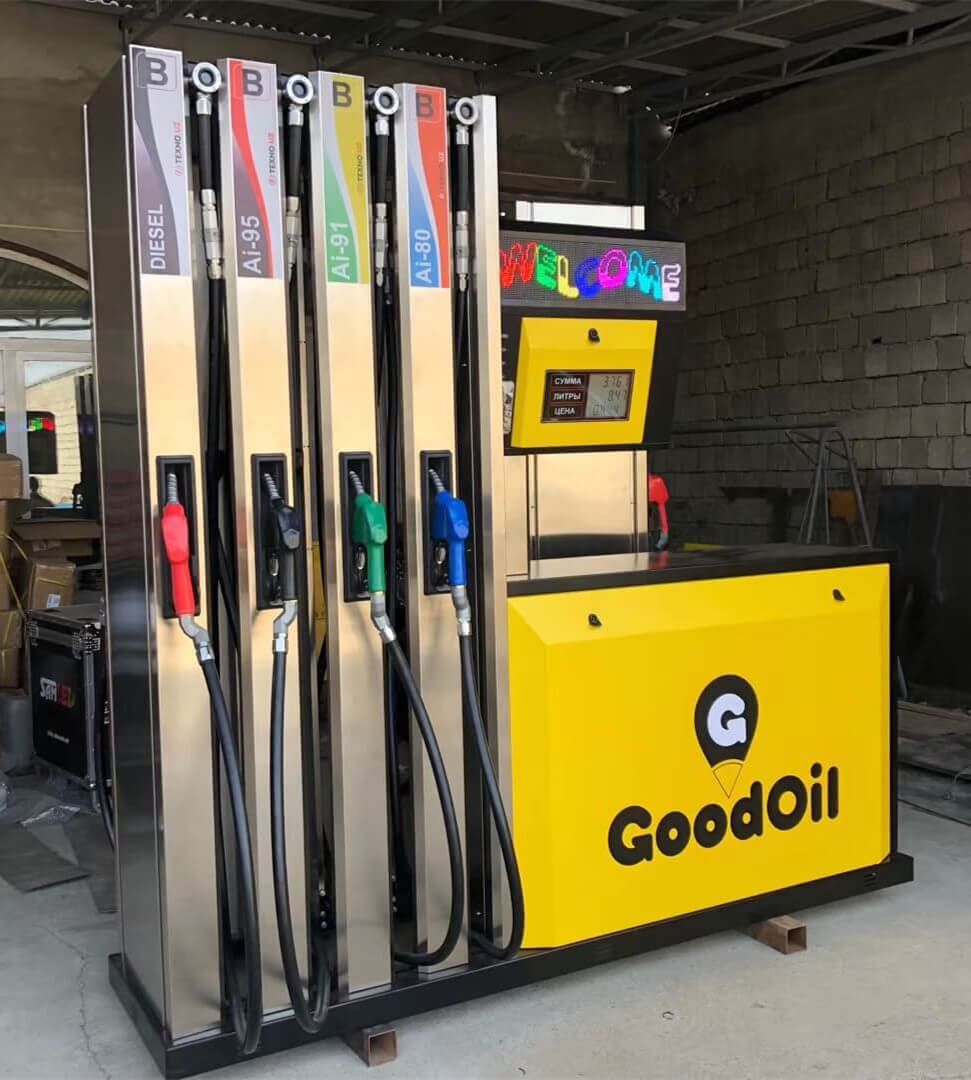
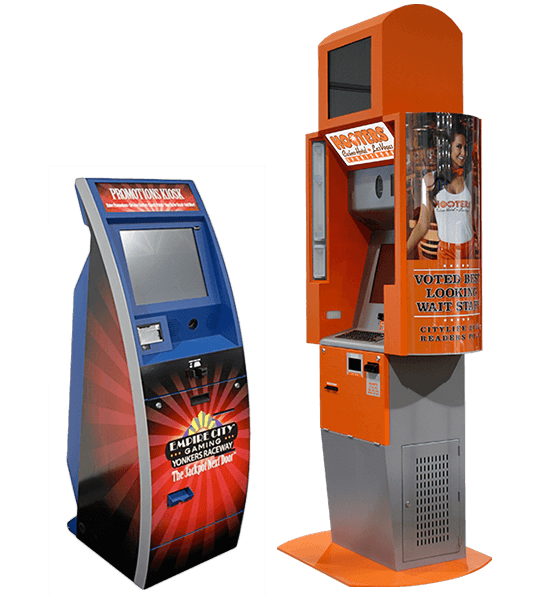
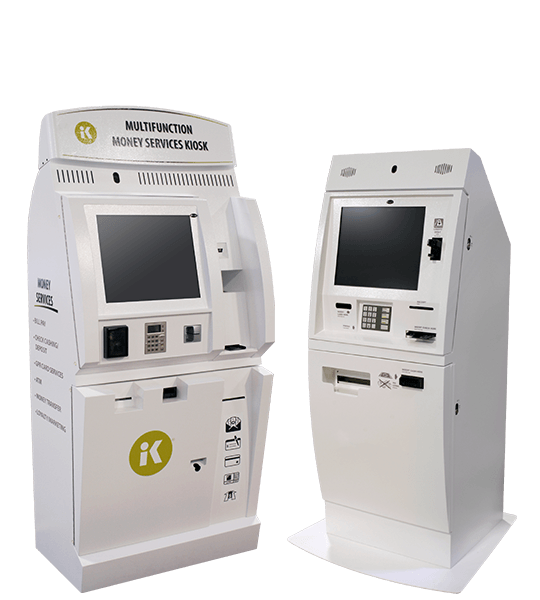
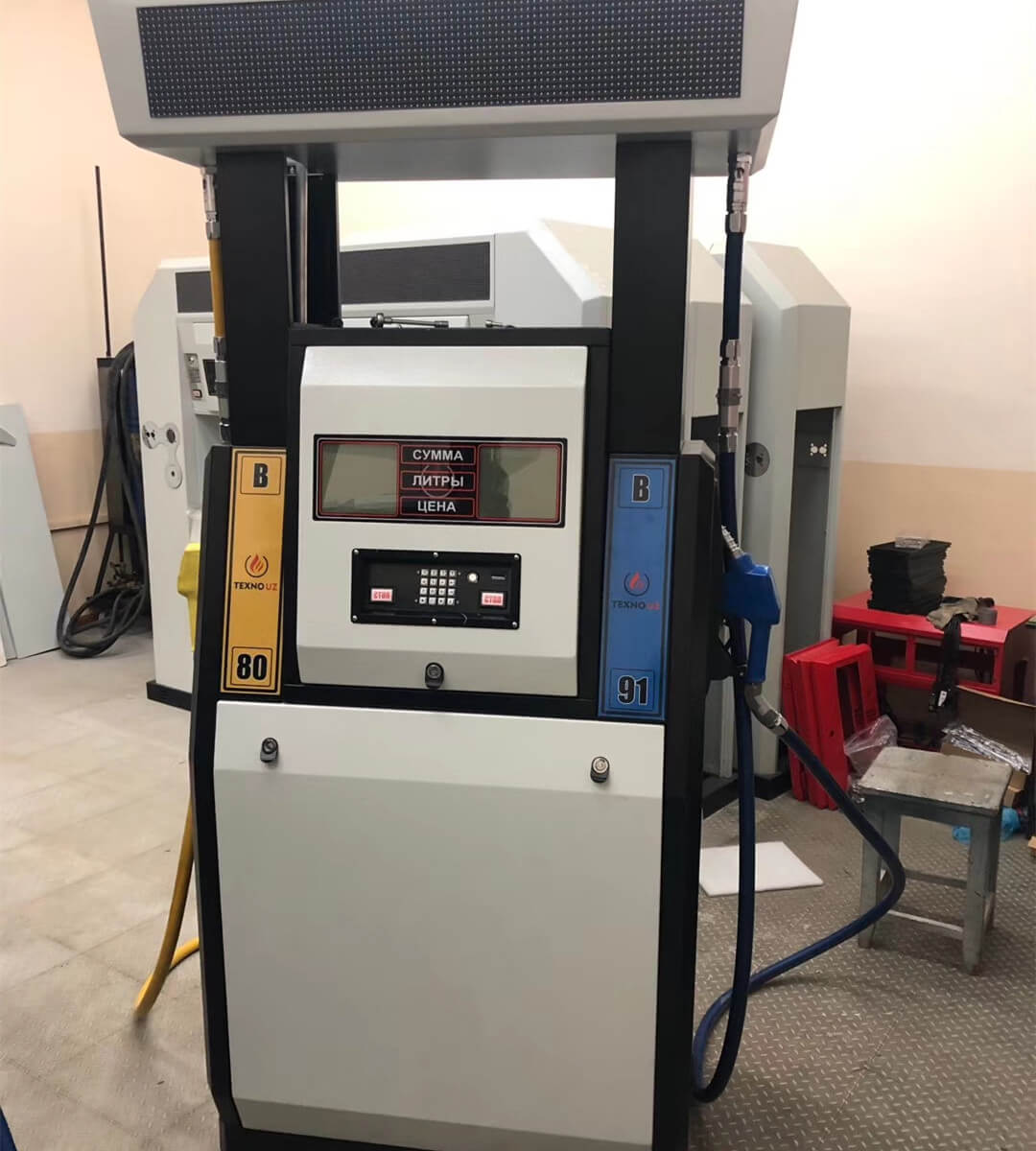
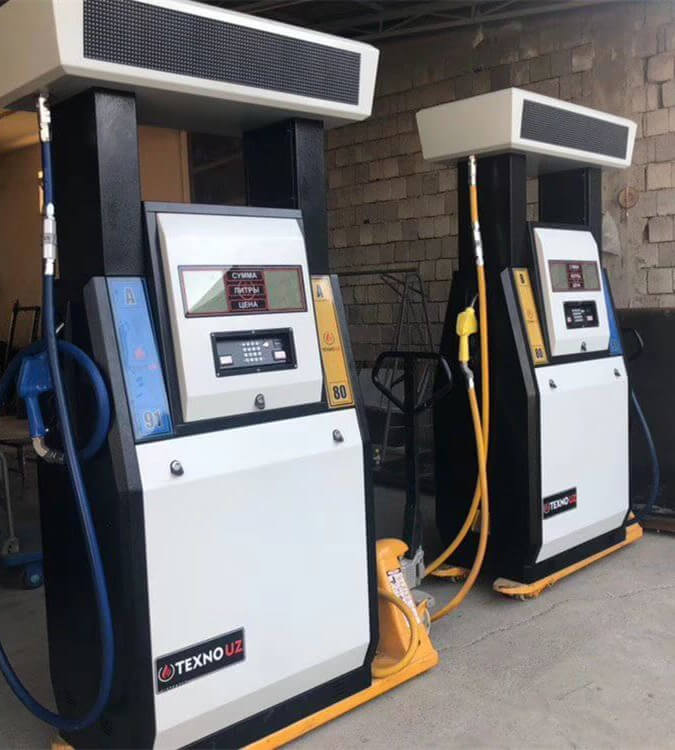
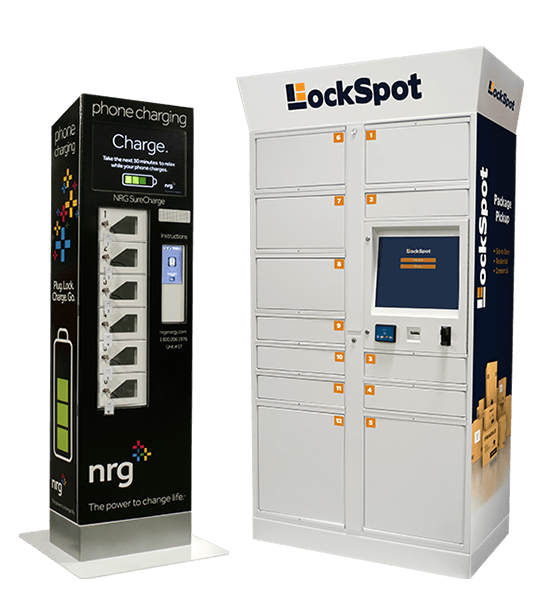
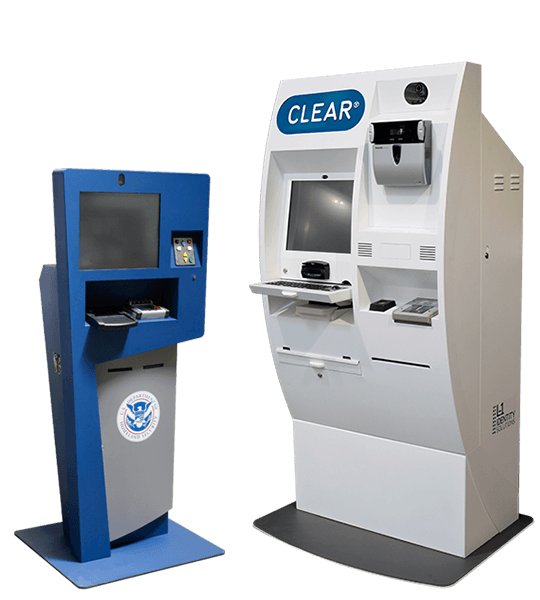
Keypado Applications



Why Keypado is Your Go-to Choice

Start with the Hazard, Not the Housing
A strong metal panel does not make a keypad explosion proof. Suitability depends on the ignition risks, protection method, and approved equipment design. Before discussing dimensions, we need to understand the installation classification and the role of the keypad in your assembly. Will it form part of an enclosure, connect to an intrinsically safe circuit, or sit within another protection arrangement? Those decisions belong to the project’s qualified designers and certification process. Keypado can then review the metal keypad component against that defined requirement.
Make Essential Commands Easy to Find
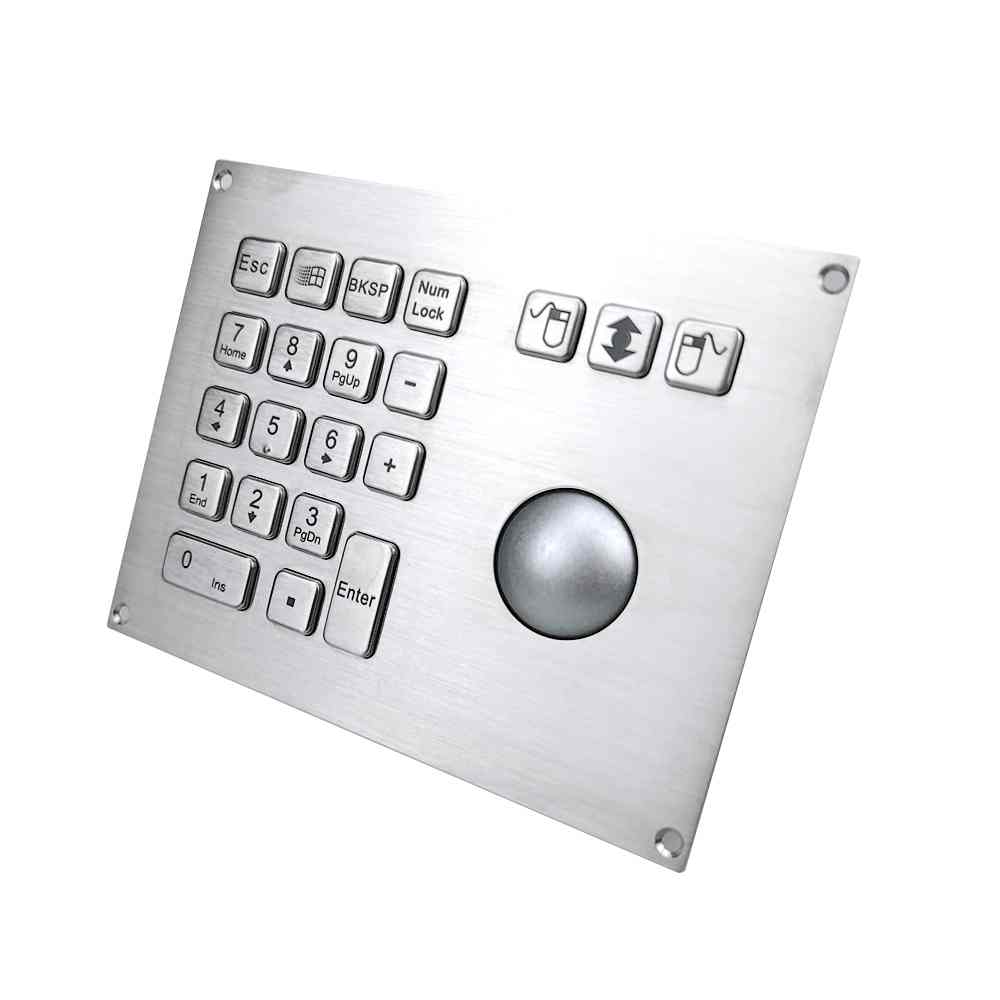
Operators need controls they can identify and press without hesitation. We can develop the key arrangement around numeric entry, confirmation, correction, and other specified functions. Key size, spacing, travel, and tactile response should suit the task and the gloves operators wear. Engraved legends provide a clear way to identify each command. If the project requires illumination, it should be reviewed as part of the electrical design rather than added after approval. A straightforward interface helps operators focus on the equipment, not on finding the right key.
Fit the Panel Without Compromising the Design
The keypad’s mounting interface matters as much as its appearance. Panel openings, fixing holes, seals, and cable routes need to follow the equipment design and any certification restrictions. We can work from your approved enclosure drawings to develop the keypad dimensions and attachment details. Where flameproof joints or other critical features are involved, they must remain under the control of the responsible equipment designer. A sample helps your team evaluate fit and operation, but it does not replace the assessment required for hazardous area use.
Keep the Approved Configuration Consistent
Changes that look minor can matter in explosion protected equipment. A different switch, connector, lighting circuit, or sealing material may require review against the approved design. Define the materials, electrical details, markings, and mounting in the project documentation before production. Keep replacement parts and variants clearly identified rather than treating similar looking keypads as interchangeable. This gives purchasing and assembly teams a dependable reference while allowing your responsible engineer or certification body to assess changes before they reach the finished equipment.
From Project Requirements to a Defined Keypad
Settle the safety requirements early. Develop the hardware around them.
Share the application.
Send the equipment drawing, required key functions, installation classification, environmental conditions, and target market. Include the protection concept and relevant certification requirements. We will review the keypad’s intended role before discussing a custom configuration.
Define the component.
We discuss the metal panel, key arrangement, markings, mounting, and electrical requirements with your team. Your responsible designer should identify the safety critical limits and approval constraints. Any lighting, interface electronics, or sealing changes need review at this stage.
Evaluate the sample.
Check mechanical fit, key operation, wiring, and compatibility with the intended equipment. Arrange the required hazardous area assessment or testing through the responsible project parties. Sample approval for fit and function is separate from permission to install the equipment in a classified location.
Control the production version.
Production follows the agreed configuration and documented acceptance requirements. Keep variants clearly identified and assess proposed changes before release. Where certification applies, production and modifications must remain within its conditions and scope.
FAQs
No. Metal construction, waterproofing, and impact resistance do not establish explosion protection. Suitability must be confirmed for the specific configuration and its intended equipment assembly.
Do not assume certification from this general product page. Request the applicable certificate and scope for the proposed configuration; if no standalone approval applies, the component must be evaluated within the equipment’s approval process.
Provide the hazardous area classification, gas or dust group, temperature requirements, ambient conditions, and destination market. We also need the enclosure design, key functions, electrical requirements, and intended protection method.
No. Flameproof or explosion proof enclosure protection and intrinsic safety use different approaches to ignition protection. The project designer must select the appropriate method before the keypad circuit and mounting are defined.
Gas and combustible dust applications have different requirements. Approval for one should not be assumed to cover the other, so provide the exact classification and required marking for review.
Yes, we can discuss the mechanical layout around your equipment. Any change affecting a certified construction must also be reviewed within the applicable approval process before implementation.
We can review key size, spacing, and tactile response around the gloves your operators use. Test a sample with the actual gloves and operating tasks before approving the layout.
These features require review within the electrical protection concept. Additional electronics, power, and connections should not be assumed acceptable simply because the mechanical keypad fits.
No. An IP rating addresses ingress protection against solids and water, not ignition protection in an explosive atmosphere. Both requirements may be relevant, but they must be specified and assessed separately.
Not without checking the equipment documentation and approval conditions. Use the specified replacement or obtain the required assessment before changing components that could affect the protection method.
Some Cool Facts
Collaborated with Global Partners on

 English
 Deutsch
 Français
 Polski
 Português do Brasil
 Español
 日本語
 Русский
 العربية
 Italiano
 Nederlands
 Türkçe
 한국어