
Custom Vandal Proof Keypads Built for Tough Public Use
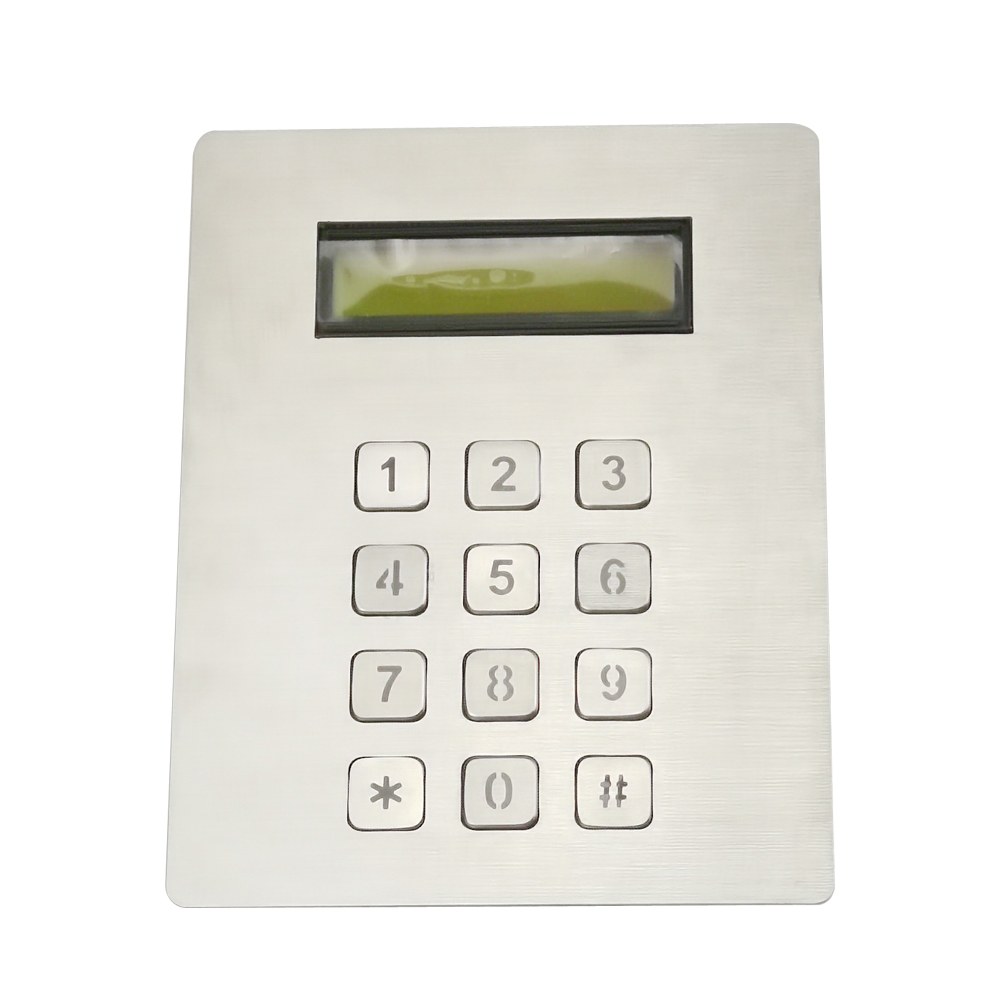
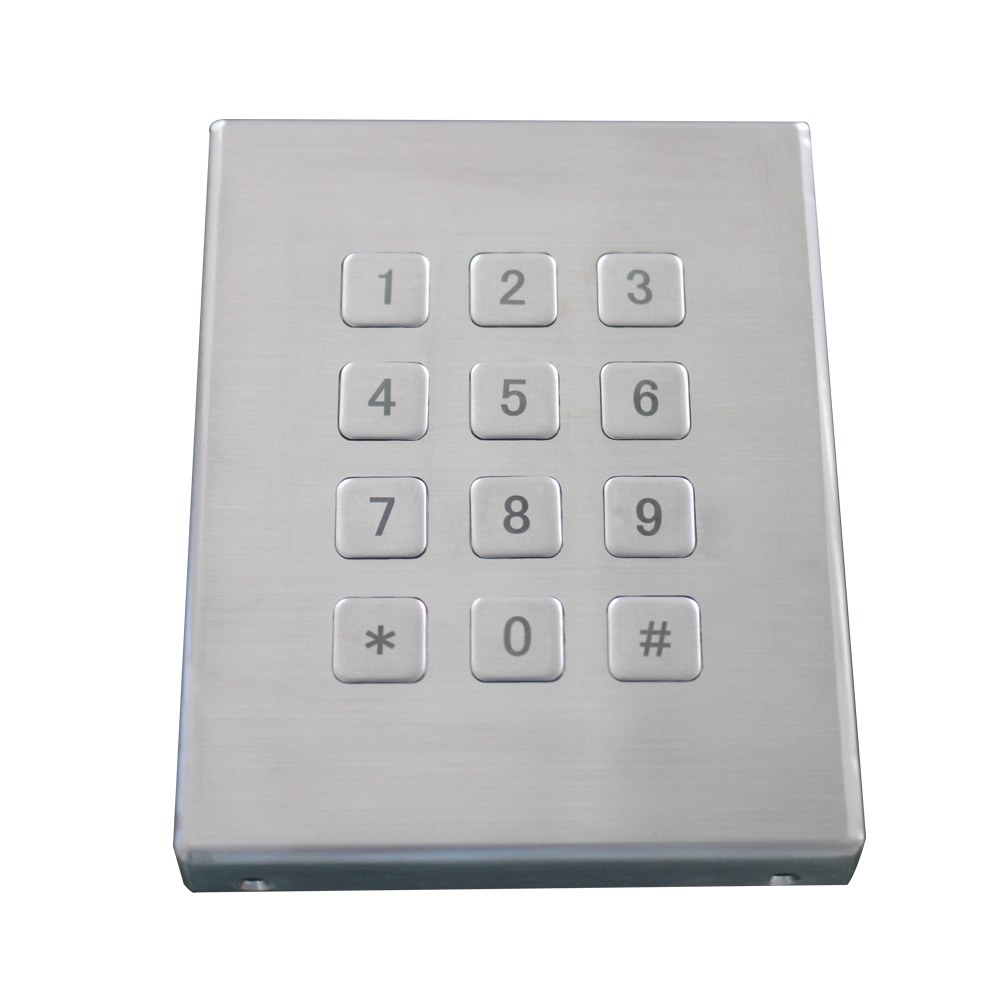
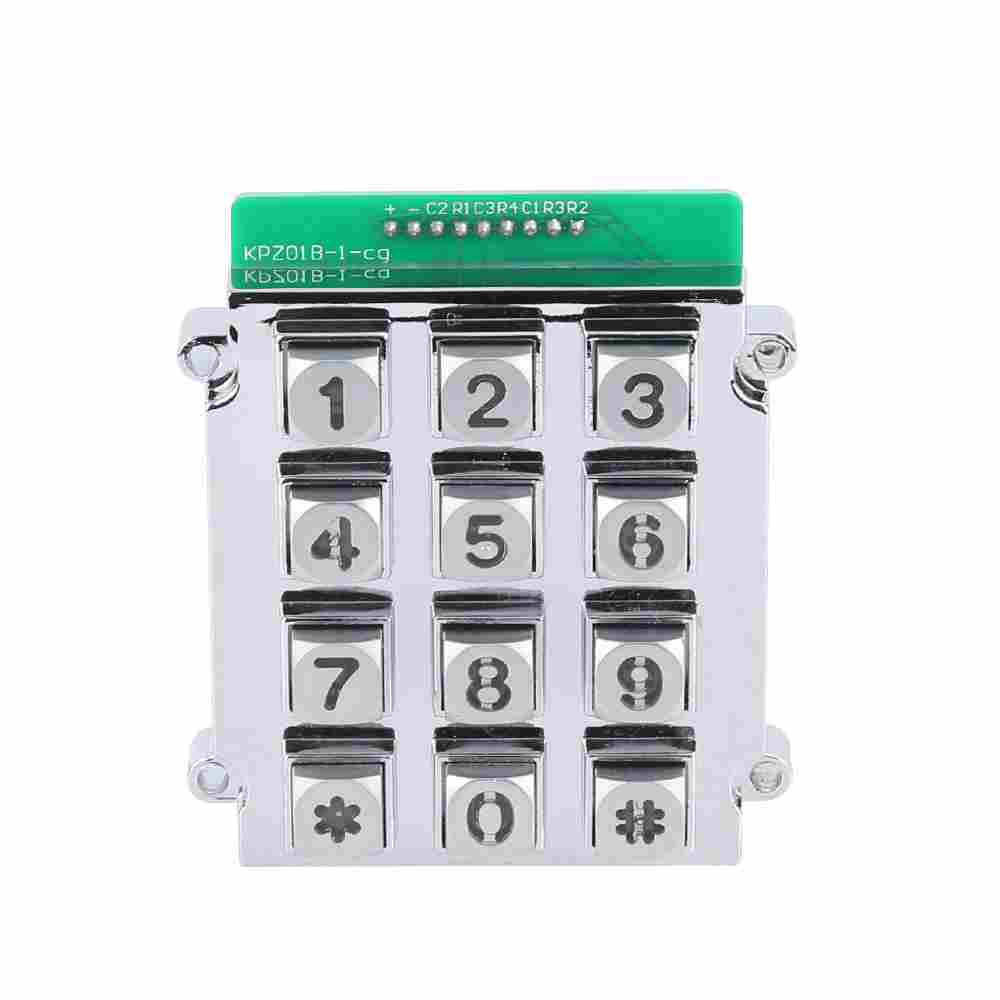
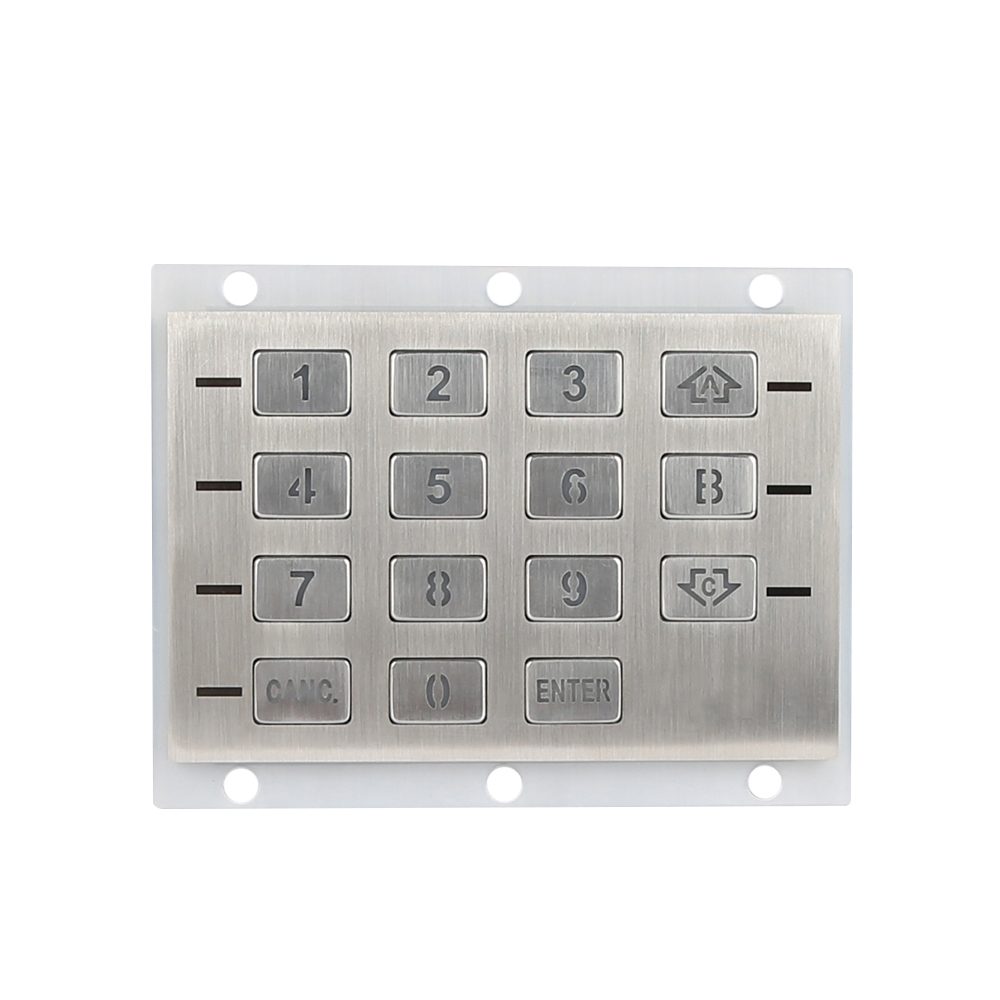
Your equipment stays in public. Its keypad needs to handle more than careful use. Keypado manufactures custom vandal proof keypads for access panels, kiosks, parcel lockers, vending machines, and other unattended equipment. Metal keys and front panels provide a durable contact surface, while the key construction and mounting can be developed around your installation. Choose a layout that suits your users, then define the panel size, markings, connection, and optional lighting with our team. Tell us what your equipment faces, from rough handling to outdoor exposure, and we will help specify a keypad built for that environment.

Get Custom Quote
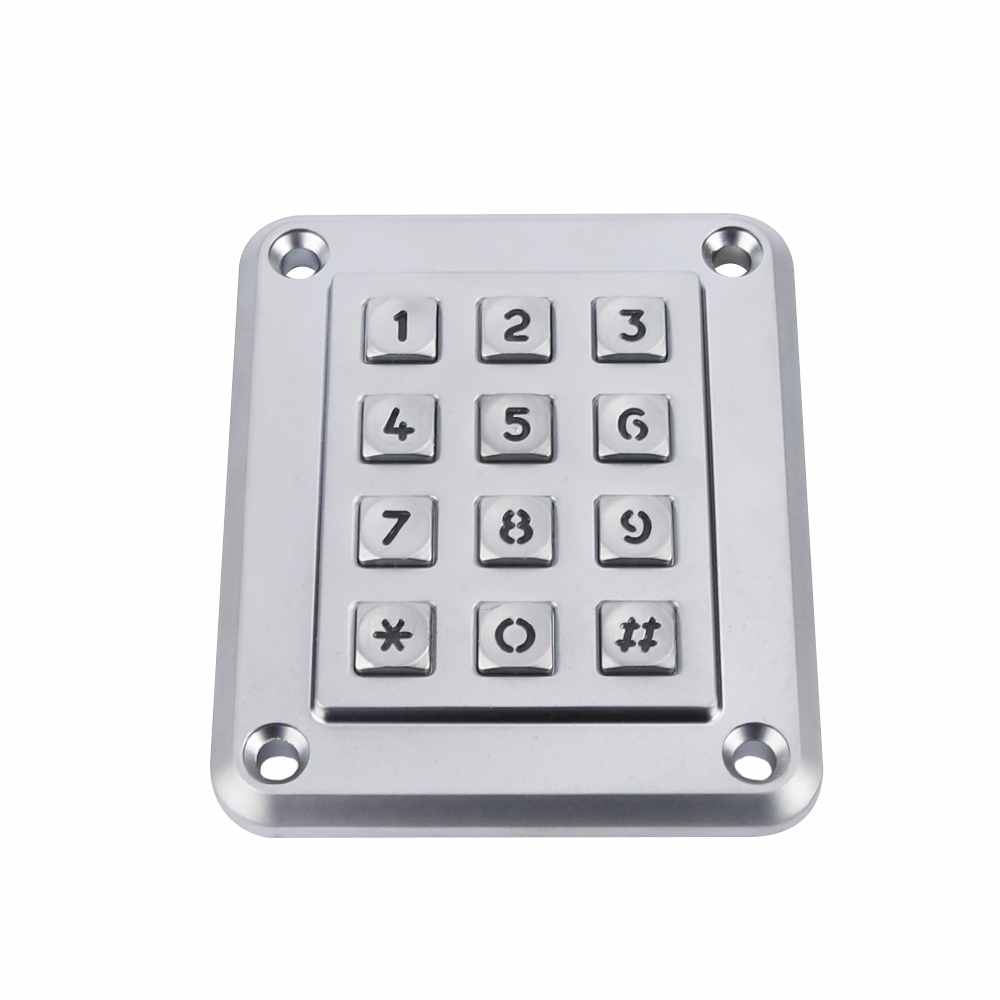
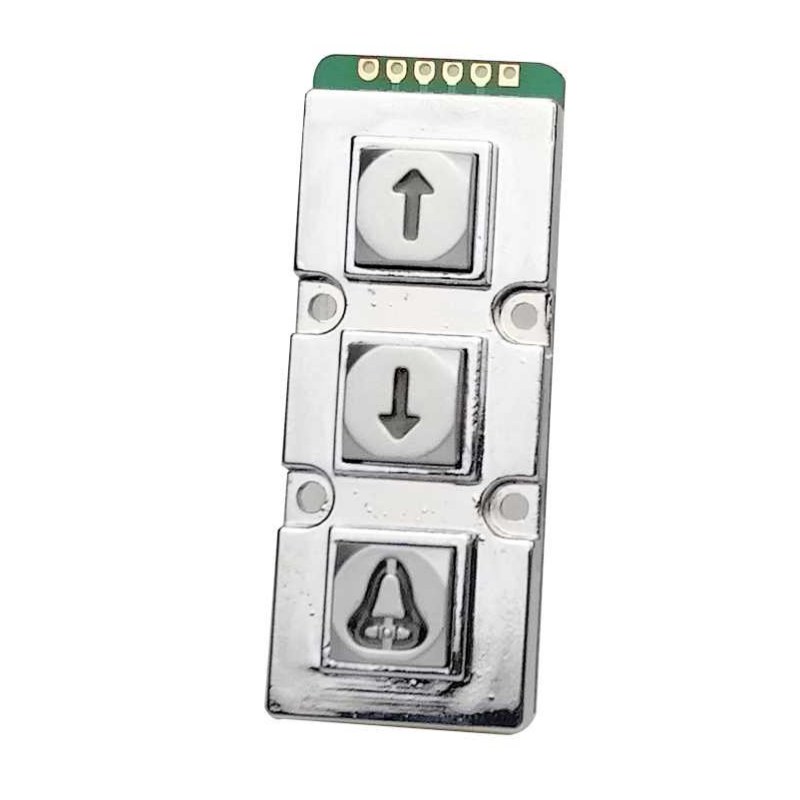
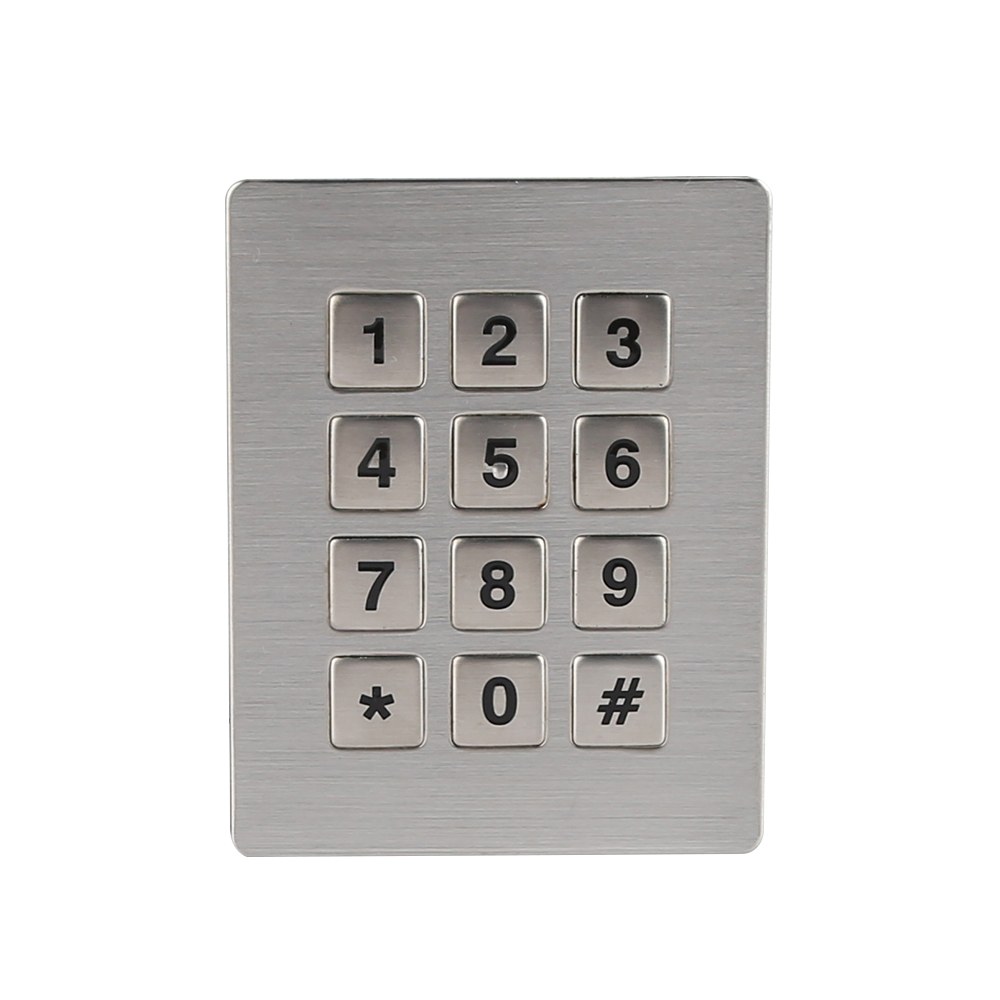
Metal contact surfaces
Give exposed controls a durable finish that stands up to frequent public use.
Key retention options
Discuss key structures designed to resist twisting, levering, and removal from the front.
Secure mounting design
Plan fixing positions and rear access to suit your enclosure and limit exposed hardware.
Lasting key legends
Specify engraved numbers and symbols for frequently used controls.
Protection for exposed locations
Review sealing and impact requirements against the actual installation.
Integration without guesswork
Define the layout, electrical output, connector, and optional illumination before production.
Toughness Where Your Equipment Needs It
Choose the construction and integration details that address your installation’s risks.
Metal construction and key design
Mounting and enclosure fit
Layout and electrical interface
Lighting and protection
Metal construction and key design
- Discuss stainless steel panels and metal keys.
- Review key profile, spacing, and retention against expected handling.
- Specify the surface finish and marking method.
Mounting and enclosure fit
- Provide the panel cutout, fixing locations, and available depth.
- Discuss rear mounting or concealed fixings where the enclosure allows.
- Plan cable routing and service access behind the panel.
Layout and electrical interface
- Choose numeric, function, or combined key arrangements.
- Review matrix, USB, or RS232 requirements for the proposed design.
- Confirm the key map, cable, connector, and power requirements.
Lighting and protection
- Consider backlighting for entrances and terminals used after dark.
- Define the required front panel sealing boundary.
- Specify any impact resistance target and supporting test requirements.
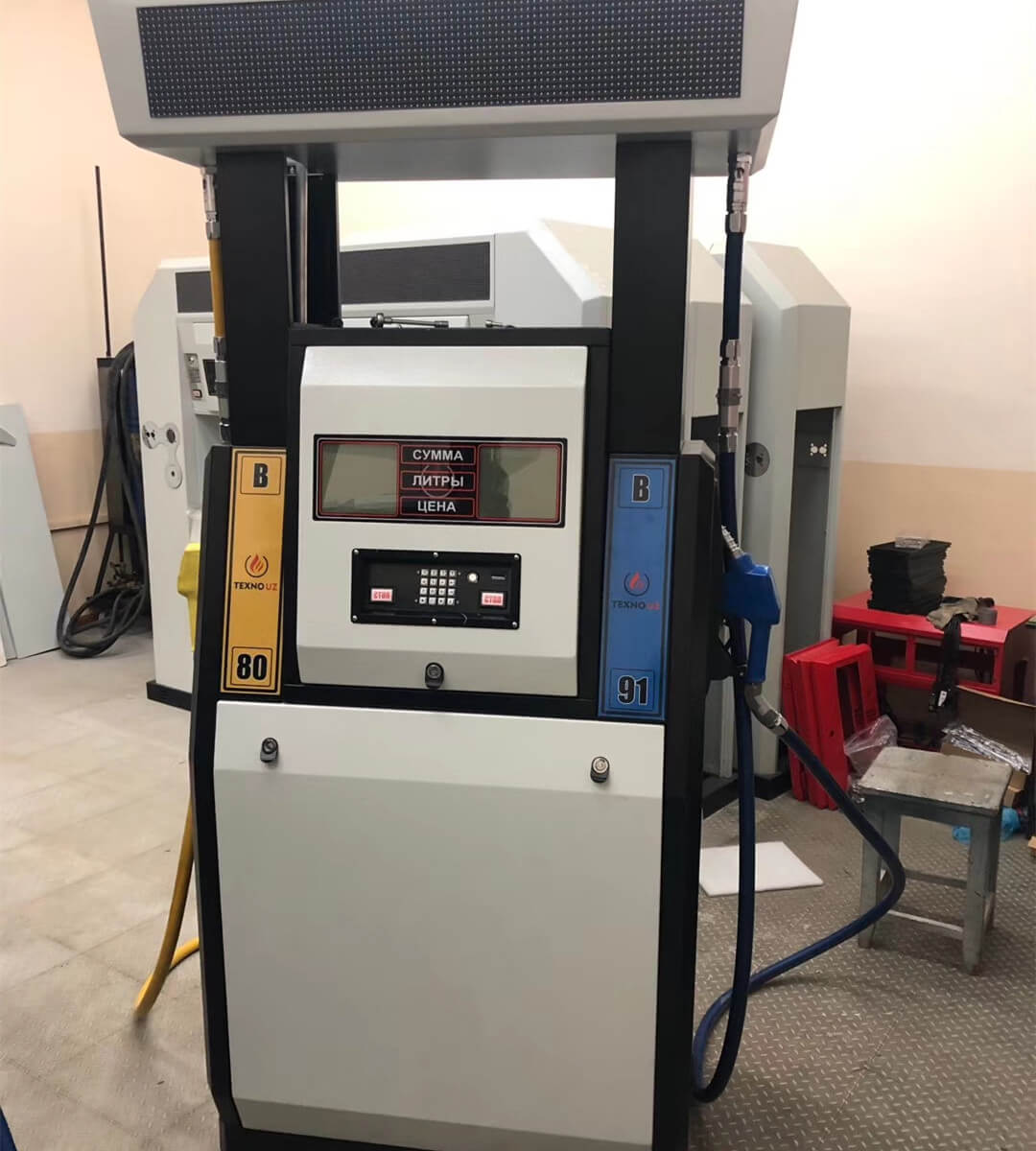
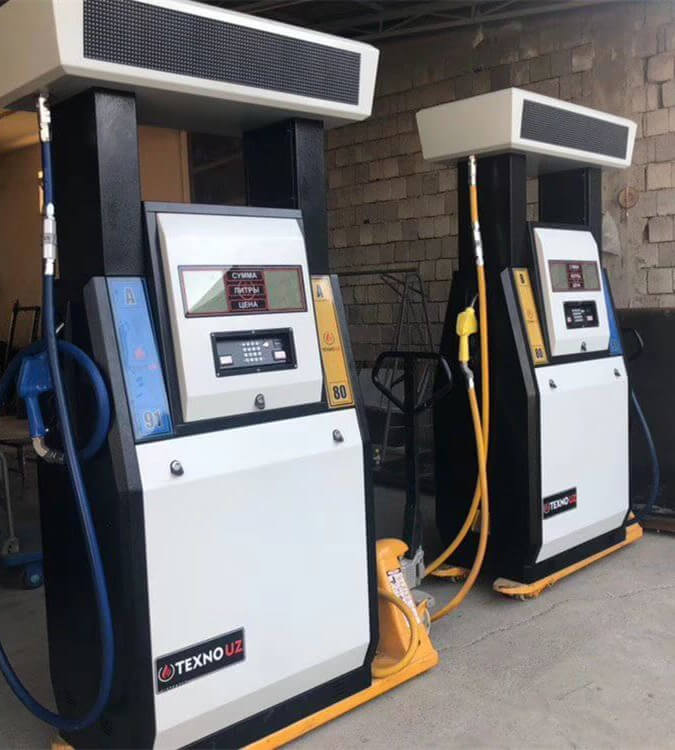
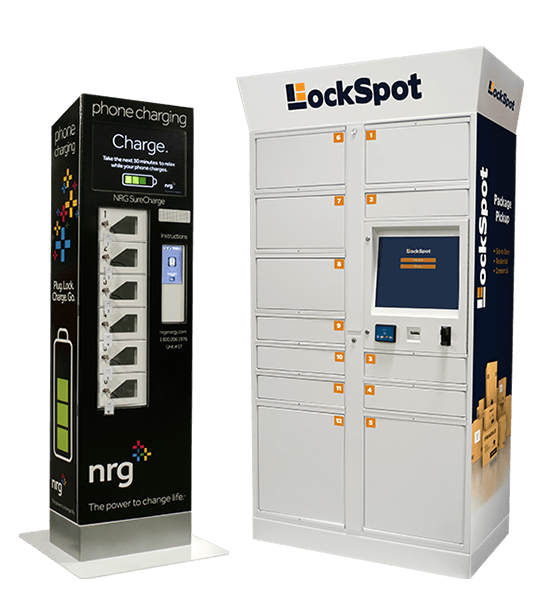
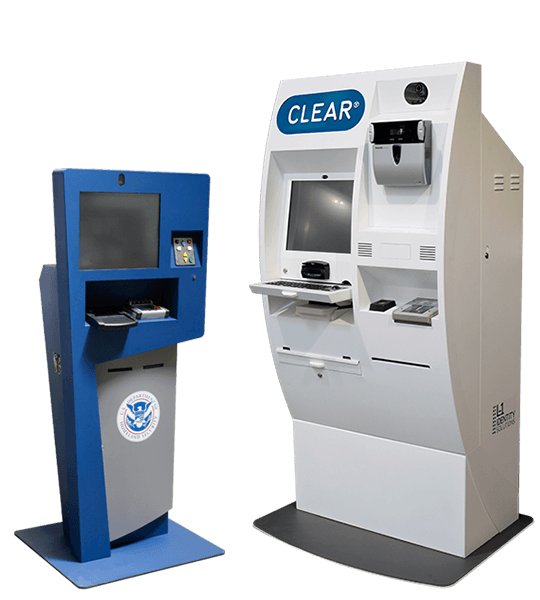
Keypado Applications
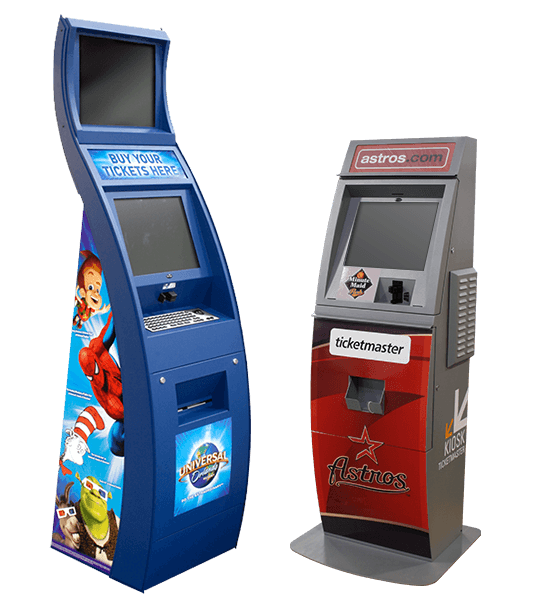
Why Keypado is Your Go-to Choice
Protect More Than the Surface
A metal faceplate is a good starting point, but vandal resistance depends on the assembly behind it. Key retention, panel support, fixing points, and the surrounding enclosure all affect how a keypad responds to rough handling. Keypado can review these details alongside the appearance of the panel. If front access or key removal is a concern, tell us early so the proposed construction can address it. The aim is a keypad that fits your equipment’s risks, not simply one that looks rugged.
Keep the Keys Clear and Comfortable
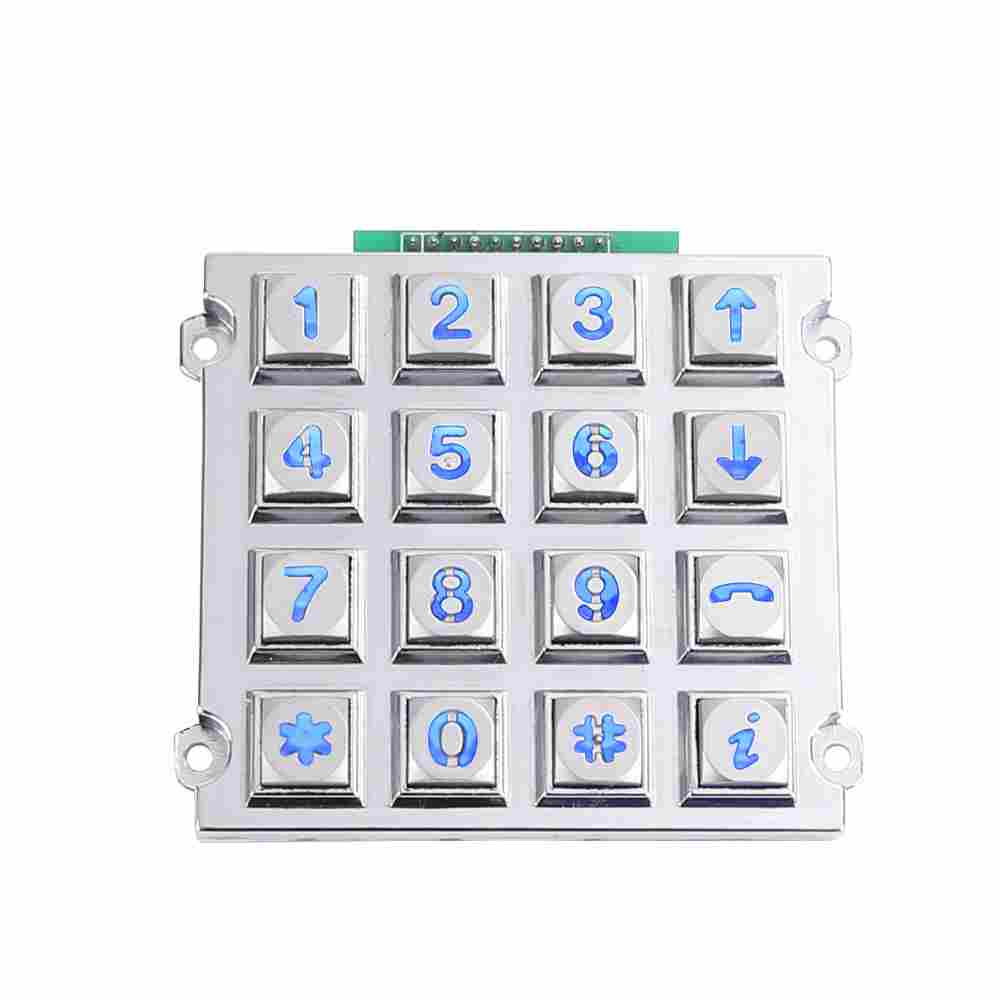
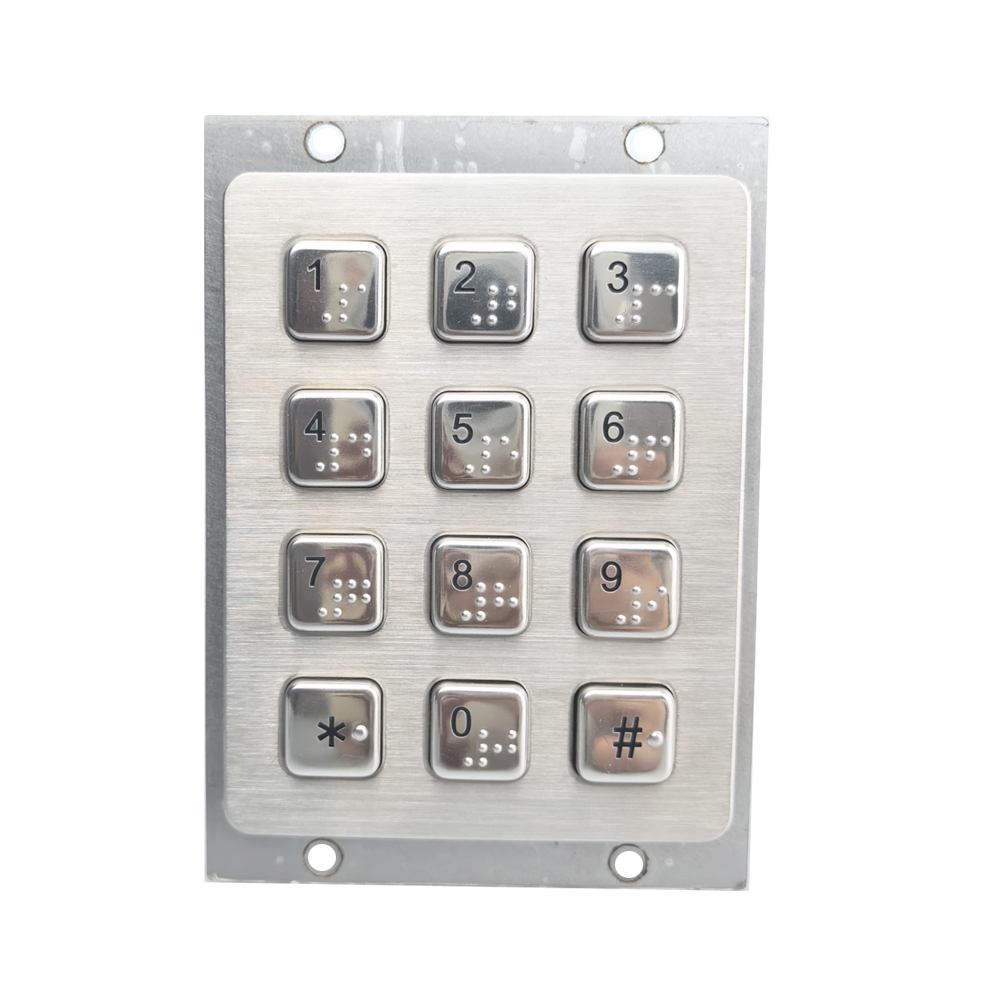
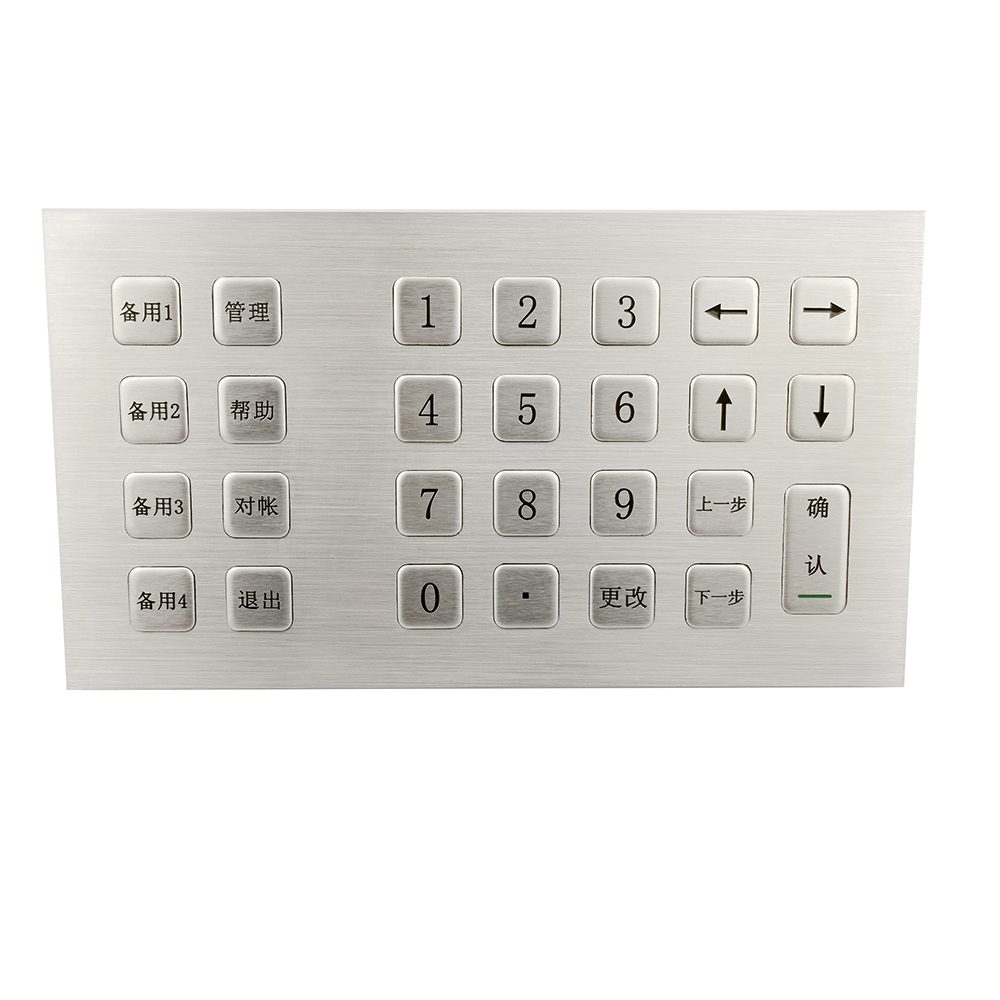
Tough construction should not make normal use difficult. Your customers still need readable legends, comfortable spacing, and a clear response when they press a key. We can review key shape, travel, tactile feel, and engraved markings around your application. A simple numeric panel may suit access codes, while a kiosk may need dedicated confirmation and correction keys. Optional illumination can help users find the controls in low light without changing the way the keypad works.
Plan for Weather and Impact Separately
Water protection and impact resistance are different requirements. An IP rating describes protection against ingress, while an IK rating addresses specified mechanical impacts. Neither should be assumed from a metal housing alone. Share the installation conditions and any required ratings so the construction and test scope can be reviewed. Front panel sealing also needs a suitable interface with your enclosure; it does not automatically protect rear electronics, connectors, or the complete machine.
Make Replacement and Repeat Orders Easier
A rugged keypad still needs to fit your production and service process. We can develop panel dimensions, fixing positions, cable exit, and connections around your cabinet. Your team should be able to install the assembly without straining cables or blocking access to nearby components. Once approved, the drawing, key map, and connection details become the reference for repeat orders. Where similar panels use different wiring or legends, clearly identified variants help prevent installation mistakes.

From Installation Risk to Approved Design
Start with what the keypad must withstand, then build around it.
Share the application.
Tell us where the keypad will be installed, who will use it, and what damage or failures concern you most. Include your enclosure drawing, required key functions, electrical interface, and estimated quantity. Photos of the mounting location or an existing sample can help clarify the project.
Review the construction.
We discuss metal components, key retention, panel support, mounting, markings, and connections together. If your project requires an IP or IK target, agree on the rating, test boundary, and evidence needed before sampling. This keeps the protection requirement tied to the proposed assembly.
Evaluate the sample.
Install the sample in your enclosure and test every key with the actual controller. Check fit, key feel, legends, fixing access, and cable routing. Complete any agreed environmental or impact testing, then record changes before approving the production version.
Release the approved configuration.
Production follows the agreed materials, dimensions, key layout, finish, and electrical details. Identify variants separately when mounting, wiring, or markings differ. Clear documentation gives purchasing, assembly, and service teams a consistent reference.
FAQs
It describes a keypad designed to resist rough handling and deliberate physical abuse. It does not mean the keypad is impossible to damage; resistance depends on its construction, mounting, and the type of attack.
Metal panels, retained keys, suitable panel support, and protected fixings can all contribute. The complete installation matters, so the enclosure should be reviewed alongside the keypad.
Key retention designs can be discussed to address twisting, levering, or front removal. Tell us the risks you need to address so the construction can be reviewed before sampling.
No single impact rating should be assumed for every custom design. Provide the required IK target, and we can review the suitable configuration and supporting test requirements.
Not automatically. Impact resistance and water protection are separate characteristics, so both need to be specified if your equipment requires them.
Outdoor use can be considered during design. Share the expected rain, dust, sunlight, temperature, and cleaning conditions so the materials and sealing approach can be assessed.
Concealed fixings or rear mounting may be possible when your enclosure supports them. Send the cabinet drawing so we can review mounting security together with assembly and service access.
Backlighting can be discussed for a suitable configuration. Confirm the visibility, available power, and installation conditions so lighting is included in the overall design.
We can review matrix, USB, or RS232 requirements for your project. Share your controller specification so the proposed output, wiring, and connection can be confirmed.
Send the key layout, panel drawing, electrical requirements, installation environment, and estimated quantity. Include any required IP or IK rating and explain the damage risks you want the design to address.
Some Cool Facts
Collaborated with Global Partners on
 English
 Deutsch
 Français
 Polski
 Português do Brasil
 Español
 日本語
 Русский
 العربية
 Italiano
 Nederlands
 Türkçe
 한국어