
A stainless steel keypad is a rugged input device built with a metal faceplate and keys, designed to withstand vandalism, weather, and heavy use. Keypado manufactures these IP-rated keypads for OEMs in access control, vending, and fuel dispensing. Over 200 clients across 30 countries trust them for custom layouts and fast sampling.
What exactly is a stainless steel keypad?
A stainless steel keypad is a rugged input device built with a metal case and keys. The construction resists vandalism and environmental damage in demanding public or industrial settings. These components serve as the frontline interface for equipment that faces constant physical abuse and harsh conditions.
Keypado specializes in the design and manufacture of rugged metal industrial input and communication devices tailored for original equipment manufacturers (OEMs). A cracked housing or jammed button creates downtime that erodes user trust. Keypado produces these devices in stainless or zinc alloy, delivering secure input for kiosks, lockers, and access terminals.
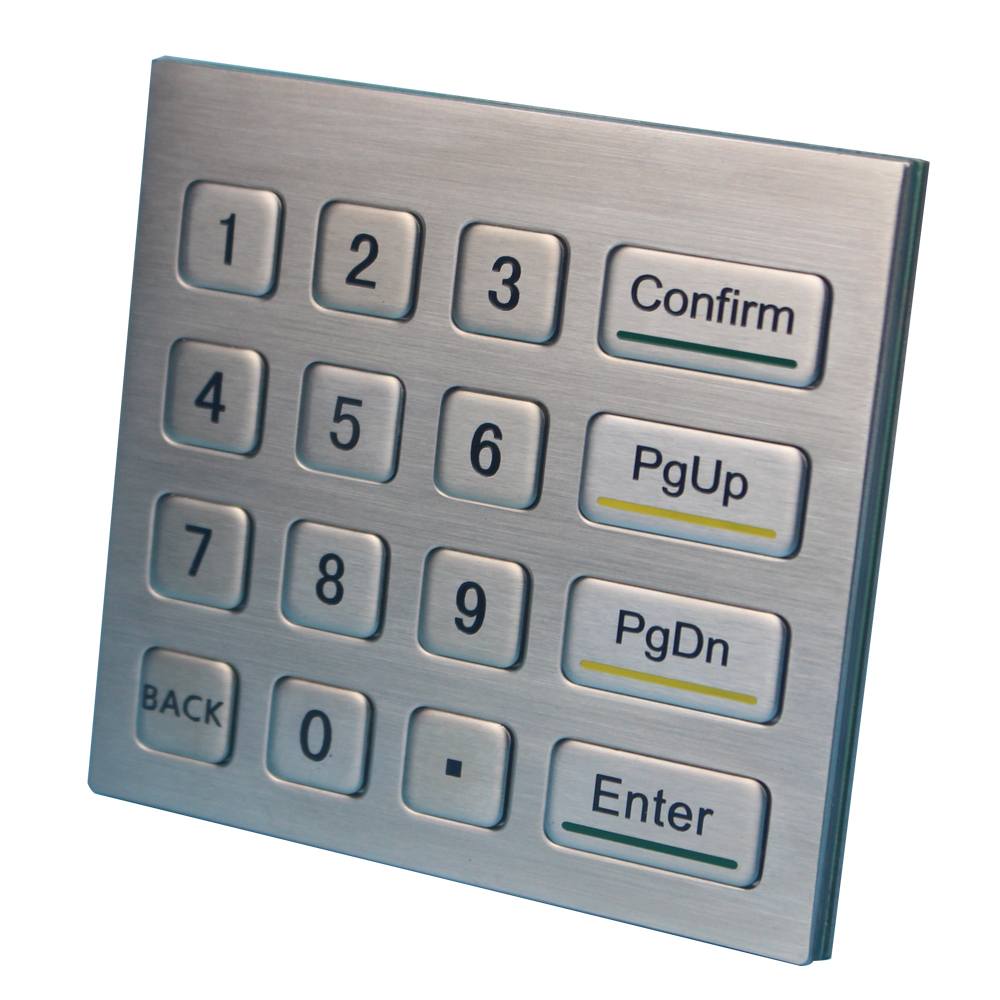
Get a Custom Stainless Steel Keypad Quote From Keypado
How do stainless steel keypads hold up against weather and dust?
The metal enclosure gets sealed against dust and water ingress, typically meeting IP65 or higher standards. That rating keeps internal electronics dry during pressure washing and blocks fine particles in dusty factory floors. Engineers avoid the ongoing cost of replacing corroded membrane switches.
What makes the keys durable enough for constant use?
Each key is built to be vandal-proof, with construction rated to last millions of presses. A metal keypad concepts exploration reveals that the switch mechanism sits beneath a solid metal face, so prying or scratching produces no effect. Maintenance teams see fewer service calls because the buttons do not stick or degrade.
Keypad layouts arrive in compact numeric configurations tailored to the panel. Common options include 3×4 or 4×4 arrangements that fit existing cutouts without redesign work. The wrong footprint forces enclosure modifications and delays the production schedule by weeks. Keypado supplies custom layouts that match the exact dimensions an OEM requires.
Why choose metal over plastic for your interface?
Metal keypads survive conditions that destroy plastic interfaces within months. A stainless steel keypad delivers decades of service in environments where polycarbonate housings crack, fade, and fail.
The difference starts with material integrity. Plastic degrades under UV exposure, chemical contact, and temperature swings. Metal shrugs off these stressors. Keypado builds its input devices with vandal-proof metal construction that achieves IP-rated protection against dust and moisture. This rugged metal build ensures long-term durability under harsh conditions, a decisive advantage over any plastic alternative.
How does metal construction prevent vandalism?
Vandal resistance comes from the material itself. A metal faceplate absorbs impacts that shatter plastic. The keys withstand millions of presses without deforming or losing tactile response. Tampering attempts leave scratches at worst. The housing stays intact. For public-facing equipment like ticketing kiosks or access control panels, this protection eliminates a common failure point that plastic cannot address.
What environmental ratings apply to stainless steel keypads?
NEMA 4X certification defines the benchmark. A stainless steel keypad meeting this standard resists corrosion, windblown dust, and water ingress. The iKey DT-18 industrial numeric keypad demonstrates this rating in practice, offering complete humidity resistance alongside its sealed metal enclosure. Equipment designers specifying NEMA 4X components avoid the gasket degradation and warping that plague plastic housings in outdoor or washdown settings.
The long-term economics favor metal despite higher upfront cost. Plastic units require replacement cycles. Metal units do not. Engineers evaluating heavy-duty metal keypad features find that material choice directly determines field reliability. A single stainless steel keypad often outlasts three or four plastic equivalents, reducing maintenance visits and equipment downtime across the deployment lifetime.
How do IP and IK ratings affect your choice?
IP and IK ratings define a keypad’s survival limits. An IP rating measures sealing against dust and water, while an IK rating quantifies impact resistance. Choosing the wrong rating leads to premature failure. Equipment deployed outdoors without proper sealing succumbs to rain and debris within months.
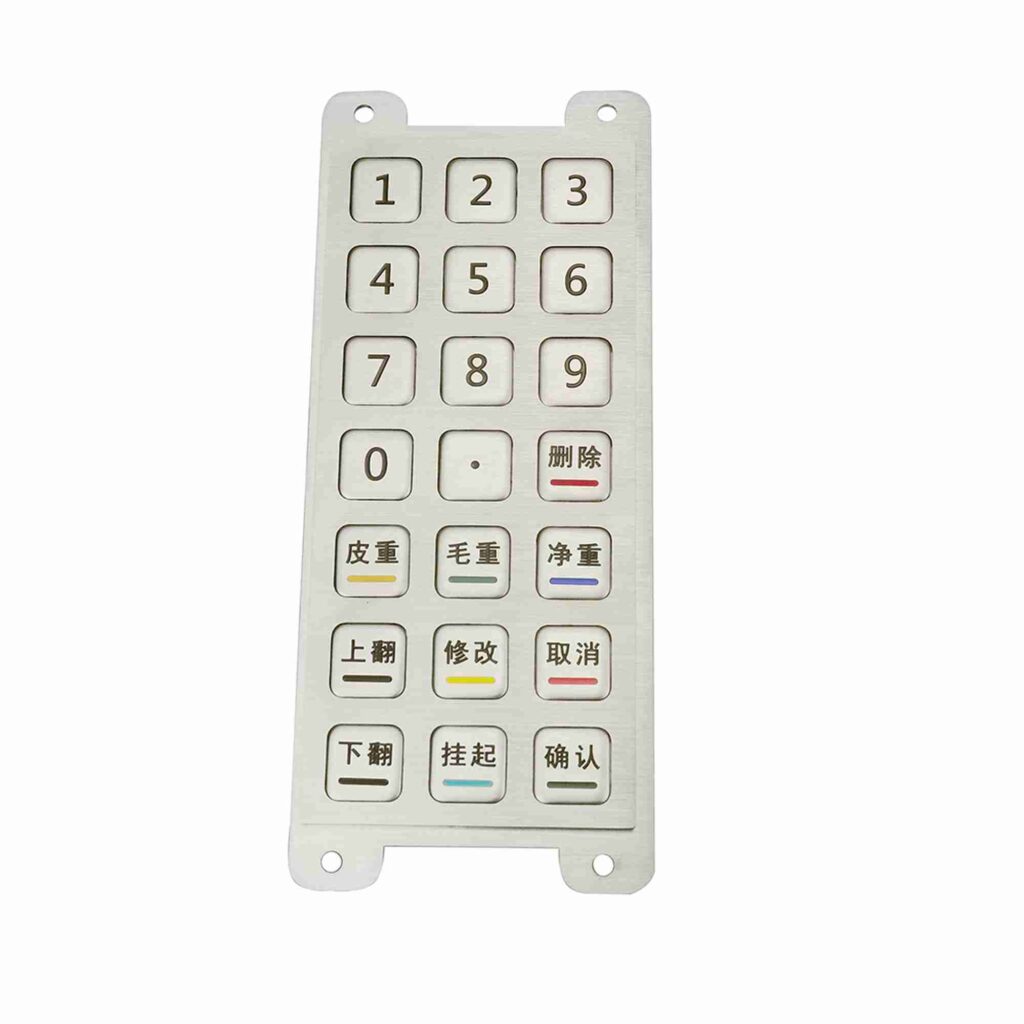
Get a Custom Stainless Steel Keypad Quote From Keypado
What does an IP65 rating actually protect against?
An IP65 rating delivers complete dust-tight protection and resistance to low-pressure water jets. This benchmark suits outdoor terminals and industrial panels exposed to weather. Keypado builds its metal keypads to IP65+ standards, sealing internal components against dust and water ingress. The rating ensures reliable operation during hosed-down cleaning or heavy rain, two common hazards in public and industrial settings.
How does the enclosure material influence the rating?
The enclosure material directly supports the achieved rating. A stainless steel keypad case contributes to meeting stringent NEMA 4X specifications, which address corrosion resistance and protection against harsh cleaning agents. iKey’s DT-18 industrial numeric keypad demonstrates this principle. Its stainless steel case helps the device achieve NEMA 4X compliance, making it suitable for food processing or marine environments where corrosion destroys lesser materials.
For OEM design engineers, selecting the right IP rating is a direct function of the installation environment. An indoor kiosk in a climate-controlled lobby needs less sealing than a fuel dispenser terminal facing constant sun and rain. Understanding essential IP ratings helps match the protection level to the actual threat. The cost of over-specifying is wasted budget. The cost of under-specifying is field failures and service calls that erode margins.
What switch technologies are inside these keypads?
A stainless steel keypad relies on internal switch mechanisms engineered for extreme durability and precise electrical output. The switch technology determines tactile feel, signal clarity, and how many millions of cycles the unit survives before failure. Metal keys in these assemblies are rated for millions of presses, a lifespan that protects OEM equipment from premature field failures and costly service calls.
How does the keypad communicate with the host controller?
The internal switch matrix connects to the outside world through configurable output interfaces. A stainless steel keypad can be ordered with USB, matrix, or PS/2 output to match the host controller’s input requirements. This interface choice directly shapes integration complexity. USB offers plug-and-play simplicity for modern embedded systems. Matrix output gives design engineers direct control over scanning logic and pin mapping. PS/2 remains available for legacy industrial equipment still in active service. Selecting the wrong interface creates integration delays and adds unplanned engineering hours.
Can a compact numeric pad deliver more than just numbers?
Yes, and the mechanism is surprisingly straightforward. Some industrial keypads include a NumLock key that toggles access to a secondary legend printed on each button. Pressing NumLock shifts the output from numerals to navigation commands, effectively doubling the functionality of a compact layout. This approach keeps the footprint small while giving operators cursor control without adding a separate pointing device. The secondary legend stays hidden until needed, reducing visual clutter on busy control panels.
For teams evaluating different metal keypad types, the switch and interface pairing matters as much as the enclosure material. A vandal-resistant housing means little if the internal contacts fail after 50,000 cycles or the output protocol cannot talk to the controller. Matching switch longevity, interface protocol, and legend configuration to the application prevents these mismatches.
Where are stainless steel keypads commonly deployed?
A stainless steel keypad appears wherever equipment faces heavy use, weather, or deliberate abuse. These input devices serve as the front-line interface in environments where plastic alternatives crack, fade, or fail within months.
The most common deployment sites span public-facing and industrial settings. Access control systems, lockers, vending machines, fuel dispensers, ticketing terminals, and self-service kiosks all rely on metal keypads for daily operation. Industrial control panels represent another major category, where equipment must withstand heavy use and environmental extremes without losing input accuracy.
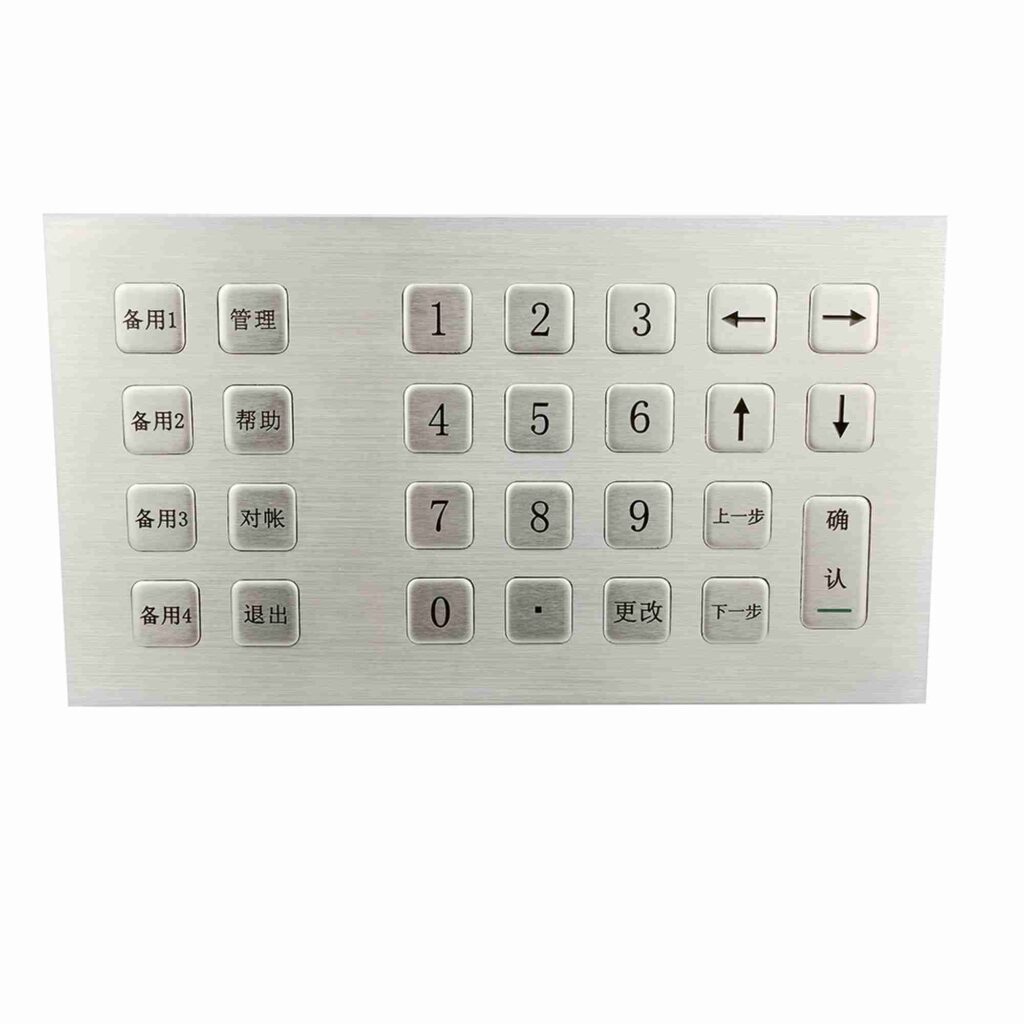
Get a Custom Stainless Steel Keypad Quote From Keypado
What makes stainless steel keypads suitable for access control?
The low-profile design of some models, under 16mm deep, supports discreet installation in modern access control systems. A shallow mounting depth means the keypad sits nearly flush against walls or panels, reducing tampering exposure while maintaining a clean appearance.
Why do OEMs choose metal keypads for public equipment?
For OEMs, the keypad’s durability directly reduces field failures and maintenance costs in public-facing equipment. Rugged metal construction ensures long-term durability under harsh conditions, which translates to fewer service calls and longer deployment cycles. A vandal-resistant keypad keeps working after impacts that would destroy membrane or plastic alternatives.
Common deployment categories include:
Access control systems for buildings and restricted areas
Lockers in gyms, transit hubs, and workplaces
Vending machines and fuel dispensers exposed to weather
Ticketing terminals and self-service kiosks in high-traffic zones
Industrial control panels in factories and processing facilities
Each setting demands consistent tactile response and resistance to moisture, dust, and physical impact. Metal keypads deliver that reliability across years of continuous use.
FAQ
What materials does Keypado use to build its keypads?
Keypado produces keypads in stainless or zinc alloy, delivering secure input for kiosks, lockers, and access terminals.
How do stainless steel keypads resist weather and dust?
The metal enclosure is sealed against dust and water ingress, typically meeting IP65 or higher standards, keeping internal electronics dry and blocking fine particles.
Why choose a metal keypad over a plastic one?
Metal keypads survive conditions that destroy plastic interfaces within months, resisting UV exposure, chemical contact, and temperature swings for decades of service.
Conclusion
So when you choose a stainless steel keypad, you are selecting a sealed, metal-cased input device built to survive weather, heavy use, and deliberate abuse. Your next step is matching the enclosure material, IP rating, switch technology, and output interface to your specific installation environment. That pairing determines whether your equipment delivers reliable performance for years or fails prematurely in the field.
 English
 Deutsch
 Français
 Polski
 Português do Brasil
 Español
 日本語
 Русский
 العربية
 Italiano
 Nederlands
 Türkçe
 한국어